high strength pvc celuka board
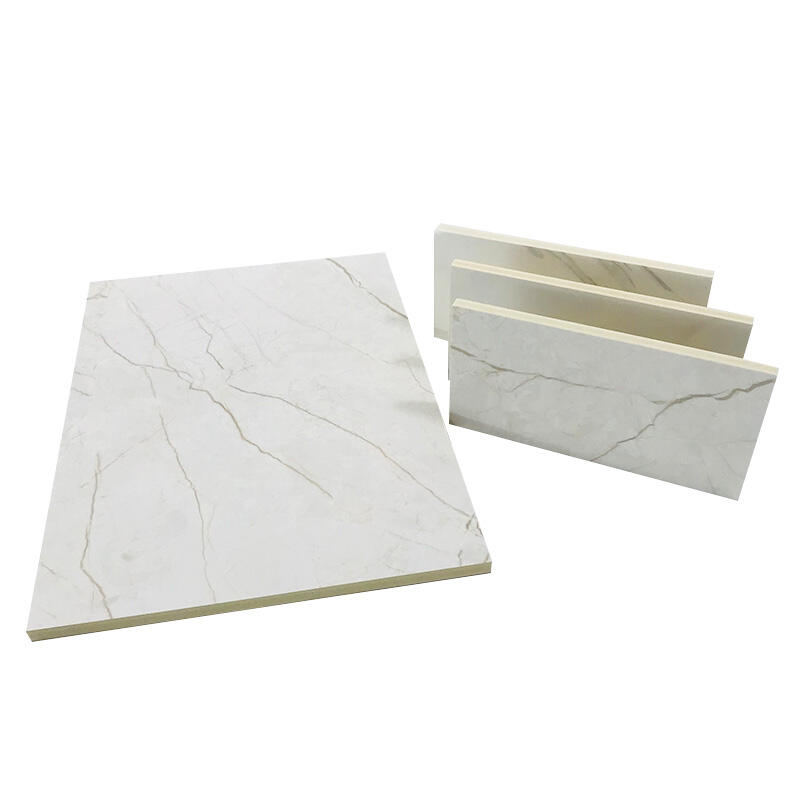
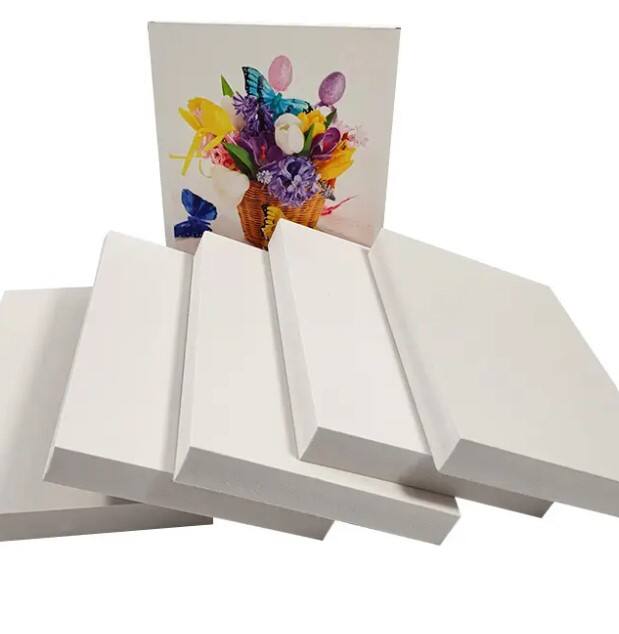
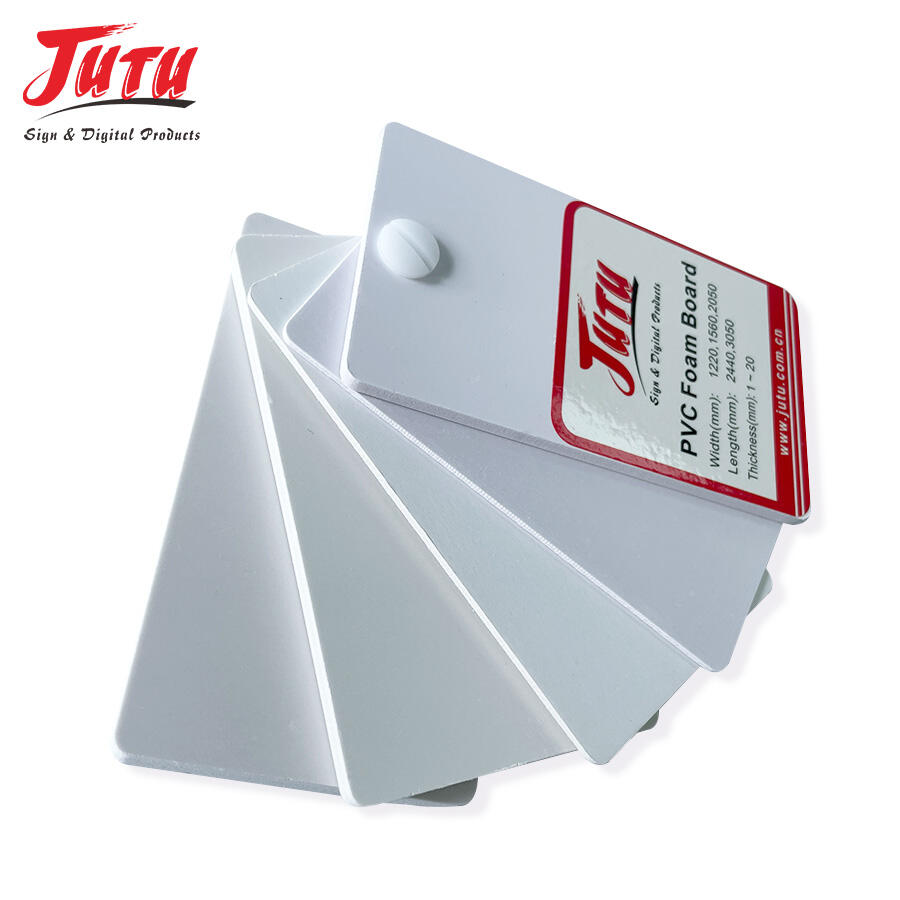
High strength PVC celuka board represents a revolutionary advancement in thermoplastic foam board technology, offering exceptional structural integrity and versatility across multiple industries. This innovative material combines the lightweight properties of foam with the durability of solid PVC, creating a composite solution that delivers superior performance in demanding applications. The high strength PVC celuka board features a unique cellular core structure encased within solid PVC skins, resulting in remarkable strength-to-weight ratios that outperform traditional materials. Manufacturing processes utilize advanced extrusion techniques that create uniform cell distribution throughout the board's core, ensuring consistent mechanical properties and reliable performance characteristics. The technological framework behind high strength PVC celuka board incorporates specialized chemical formulations that enhance impact resistance, weather durability, and dimensional stability. These boards maintain structural integrity across wide temperature ranges, making them suitable for both interior and exterior applications. The material's closed-cell foam structure provides excellent thermal insulation properties while maintaining moisture resistance, preventing water absorption that could compromise performance over time. Primary functions include structural support, decorative cladding, signage substrates, and protective barriers in commercial and industrial settings. The high strength PVC celuka board excels in marine environments due to its salt water resistance and UV stability, making it an ideal choice for boat building and coastal construction projects. Applications span across construction, advertising, transportation, and furniture manufacturing sectors, where lightweight yet durable materials are essential. The board's smooth surface finish accepts various printing methods, adhesives, and mechanical fasteners, providing versatility in installation and customization options. Environmental considerations include recyclability and reduced maintenance requirements compared to traditional materials like wood or metal, contributing to sustainable building practices and long-term cost effectiveness.
 EN
EN