Versatile Processing and Fabrication Capabilities
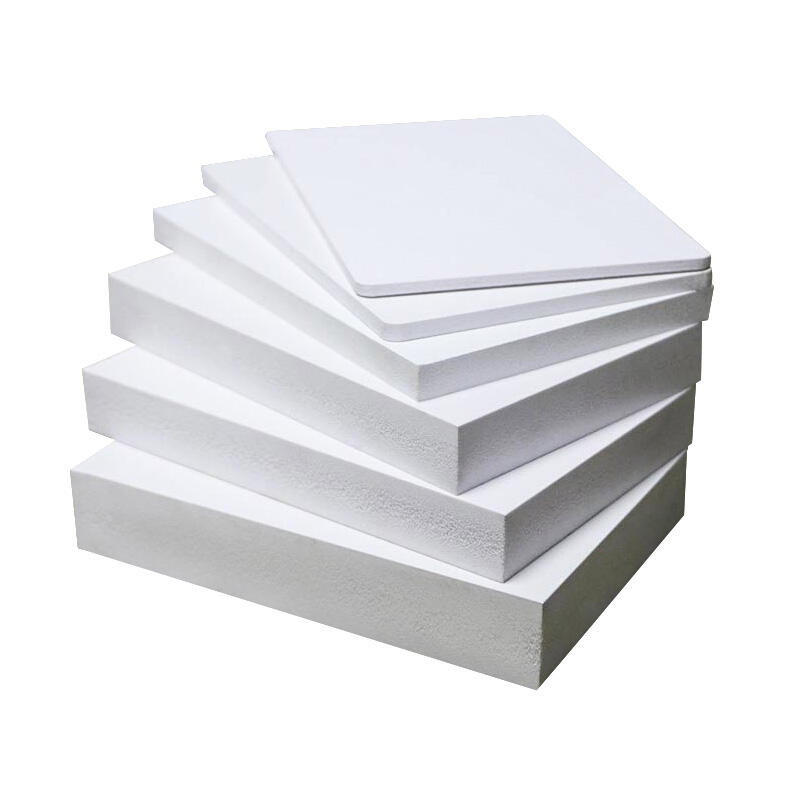
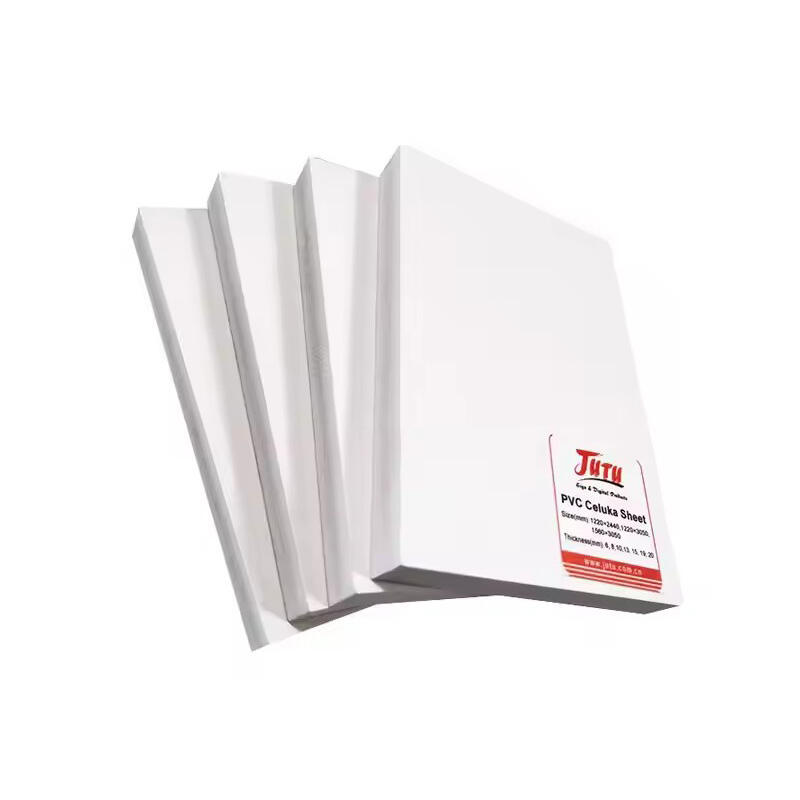
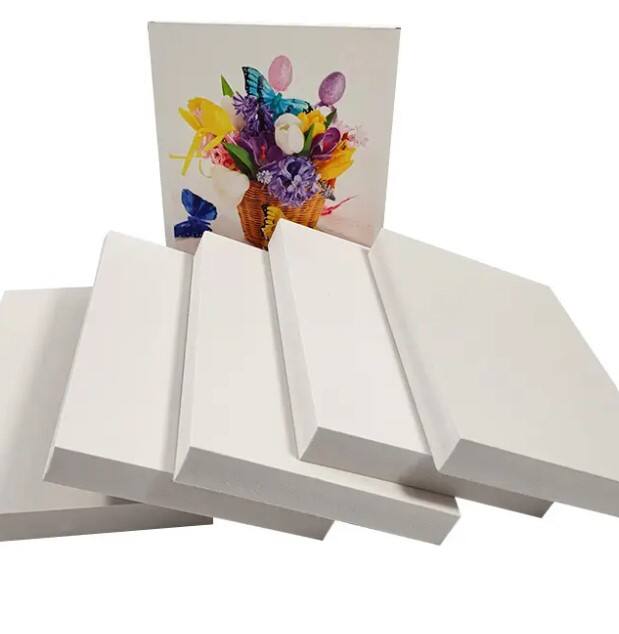
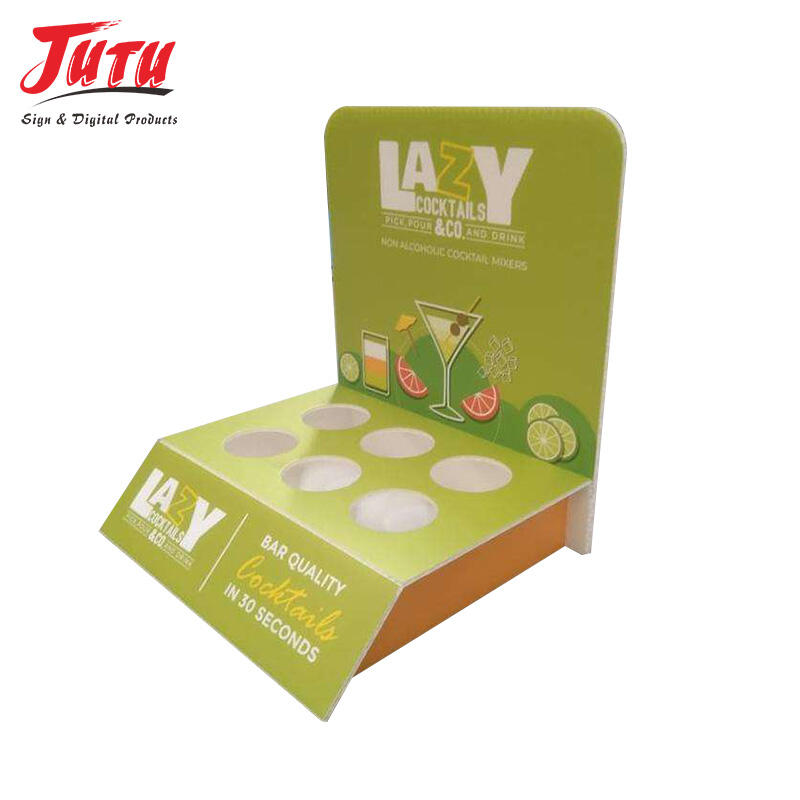
The expanded pvc foam sheet offers remarkable processing versatility that enables efficient fabrication using conventional tools and techniques, making it accessible to manufacturers and fabricators across diverse industries. This fabrication-friendly characteristic results from the material's homogeneous structure and controlled density, which allows clean cutting without delamination or chipping that might occur with other composite materials. Standard woodworking equipment, including table saws, router tables, and drill presses, can effectively process expanded pvc foam sheet with appropriate blade selection and cutting parameters. The material machines consistently without generating excessive heat that could cause melting or surface defects, enabling precision fabrication for critical applications. Thermoforming capabilities expand design possibilities by allowing three-dimensional shaping at moderate temperatures, creating complex geometries that would require expensive molding processes with other materials. The uniform heating characteristics ensure consistent forming without thin spots or stress concentrations that might compromise part integrity. Welding and bonding options provide strong, permanent joints using solvent welding, mechanical fasteners, or structural adhesives, enabling assembly of large structures from smaller components. Surface preparation requirements are minimal due to the smooth, clean surface finish that promotes excellent adhesion for paints, graphics, and protective coatings. The expanded pvc foam sheet accepts various surface treatments, including screen printing, digital printing, and laminating, making it ideal for signage, displays, and branded applications. CNC machining capabilities enable precision manufacturing of complex parts with tight tolerances, supporting applications in electronics enclosures, fixtures, and specialized equipment. The material's dimensional stability during processing reduces waste and ensures consistent part quality throughout production runs. Edge finishing techniques, including flame polishing and mechanical smoothing, can enhance appearance and functionality for visible applications. These processing advantages translate into reduced manufacturing costs, shorter production times, and greater design flexibility compared to materials requiring specialized equipment or techniques.
 EN
EN