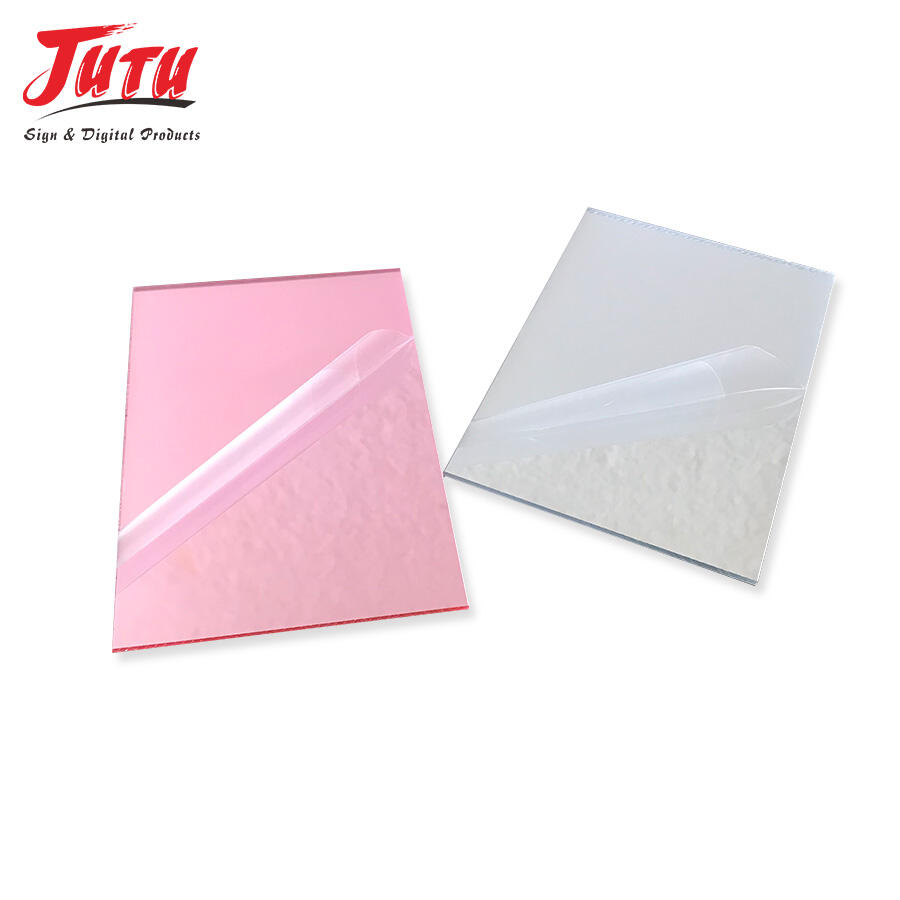
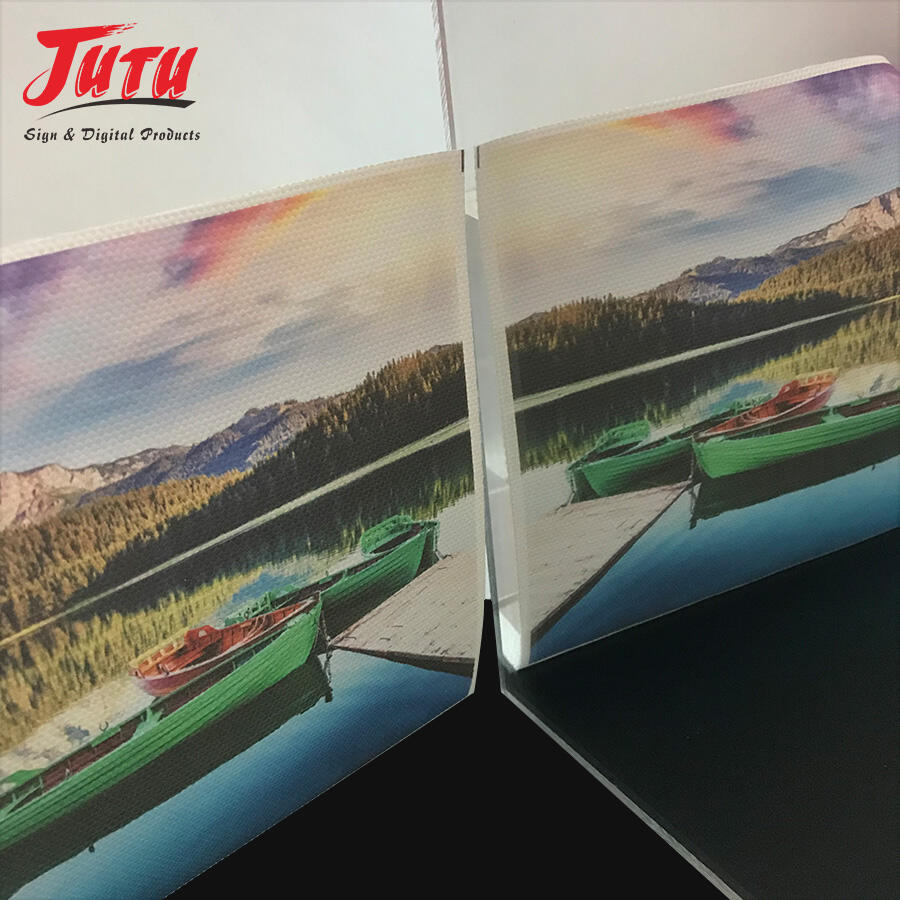
cutting acrylic mirror sheet
Cutting acrylic mirror sheet represents a revolutionary advancement in reflective material technology, offering unprecedented versatility for diverse manufacturing and design applications. This innovative material combines the reflective properties of traditional mirrors with the durability and workability of high-quality acrylic polymers. The cutting acrylic mirror sheet features a specialized surface treatment that creates a mirror-like finish while maintaining the lightweight characteristics and impact resistance inherent to acrylic materials. The technological foundation of cutting acrylic mirror sheet relies on advanced metallization processes that deposit thin layers of reflective coating onto precision-manufactured acrylic substrates. This process ensures consistent reflectivity across the entire surface while preserving the material's ability to be cut, shaped, and fabricated using standard acrylic processing techniques. The cutting acrylic mirror sheet maintains excellent optical clarity with minimal distortion, making it suitable for applications requiring precise reflection quality. Manufacturing processes for cutting acrylic mirror sheet incorporate state-of-the-art quality control measures to ensure uniform thickness, consistent reflectivity, and superior edge finishing. The material exhibits excellent chemical resistance, UV stability, and weather resistance properties that significantly extend its operational lifespan compared to conventional mirror alternatives. Primary applications for cutting acrylic mirror sheet span multiple industries including architectural design, automotive manufacturing, signage production, furniture construction, and decorative installations. The material's versatility allows for complex geometric cuts, precision drilling, and edge polishing without compromising the reflective coating integrity. Installation procedures for cutting acrylic mirror sheet are streamlined due to the material's lightweight nature and compatibility with standard fastening systems, reducing both labor costs and installation complexity for end users.
 EN
EN