Exceptional Versatility and Customization Options
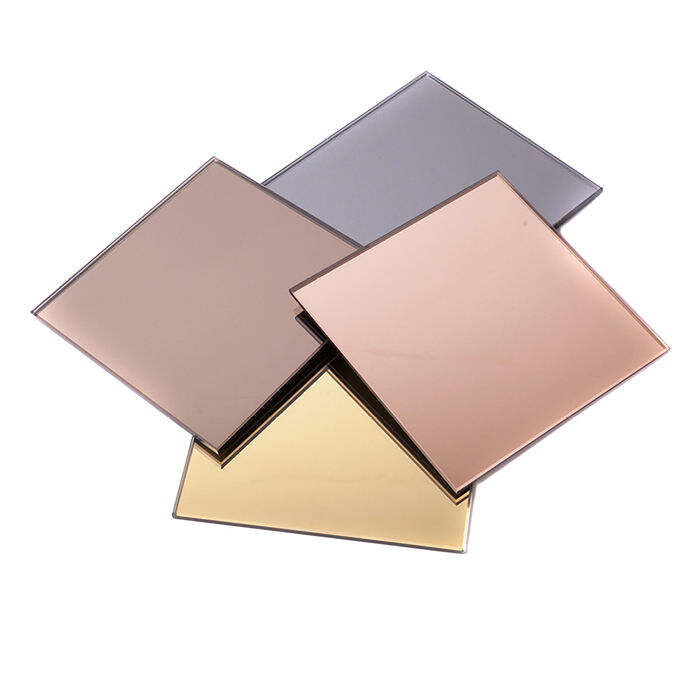
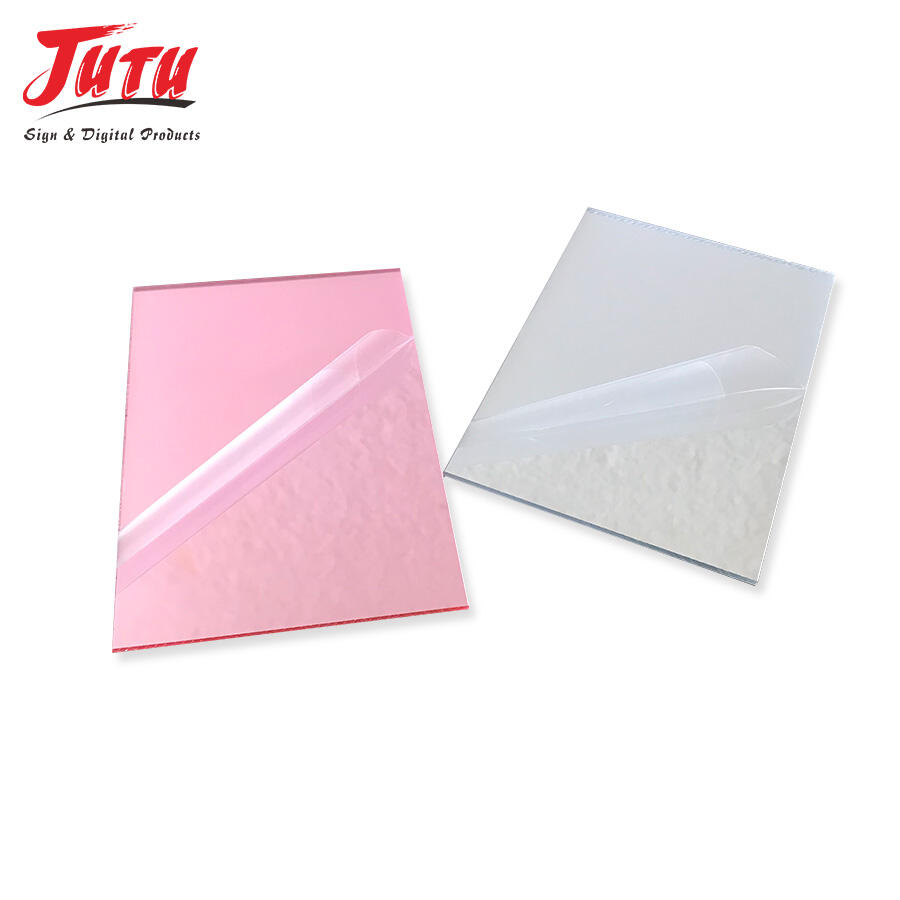
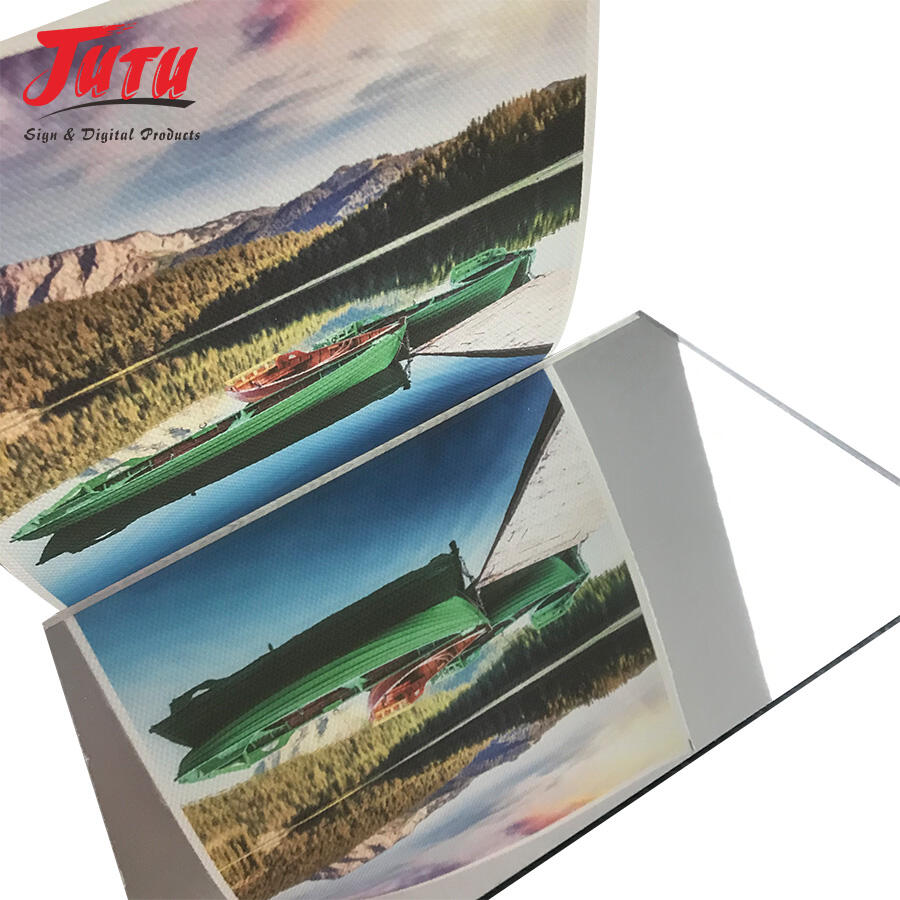
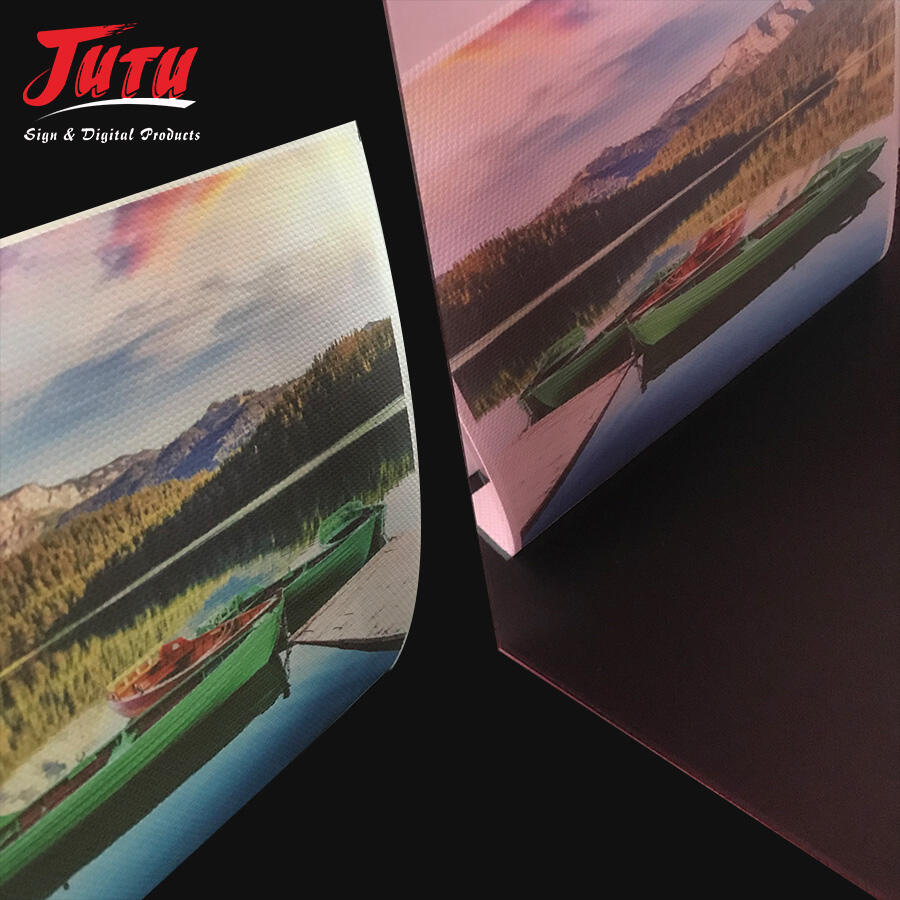
The acrylic mirror silver sheet provides unprecedented versatility in design applications through its exceptional fabrication capabilities and adaptability to diverse installation requirements. Unlike rigid glass mirrors that limit design possibilities, this advanced material can be thermoformed, bent, cut, and shaped using standard fabrication equipment, enabling creative solutions that transform architectural spaces and functional applications. The thermoforming capability allows designers to create curved mirror surfaces that follow complex geometric profiles, opening possibilities for innovative retail displays, artistic installations, and architectural features that would be impossible or prohibitively expensive with traditional mirror materials. Custom cutting operations can be performed with precision using laser cutting, routing, or conventional sawing techniques, allowing for intricate shapes, precise dimensions, and specialized mounting configurations that meet exact project specifications. The material accepts various edge finishing treatments including polishing, flame polishing, and mechanical finishing, ensuring seamless integration with surrounding design elements while maintaining professional appearance standards. Drilling and machining operations present no special challenges, enabling the incorporation of mounting hardware, electrical components, or decorative elements directly into the mirror surface without compromising optical performance or structural integrity. Surface texturing options expand creative possibilities, as the acrylic substrate can be processed to create distinctive visual effects, privacy screening, or light diffusion characteristics while retaining the essential reflective properties of the silver coating. Color customization becomes possible through tinting options that modify the reflected image characteristics for specialized applications such as theatrical lighting, automotive mirrors, or decorative installations requiring specific aesthetic effects. The material accommodates various mounting methods including permanent adhesive installation, removable mounting systems, and mechanical fastening arrangements that adapt to changing requirements or temporary installations. Maintenance access considerations benefit from the material's resistance to damage during cleaning operations and its ability to withstand aggressive cleaning agents that might damage other mirror types. Environmental adaptability extends the application range to outdoor installations, marine environments, and industrial settings where traditional mirrors would fail due to corrosion, thermal stress, or chemical exposure, providing reliable performance across diverse operating conditions that expand design possibilities and functional applications.
 EN
EN