 EN
EN

Working with PVC foam sheets demands more than basic cutting tools and a tube of adhesive. Across signage, construction, furniture, and display fabrication industries, the way professionals cut and bond PVC foam sheets directly determines the quality, durability, and visual appeal of the finished product. Understanding proven techniques helps fabricators avoid common failures, reduce material waste, and consistently deliver results that meet commercial standards.
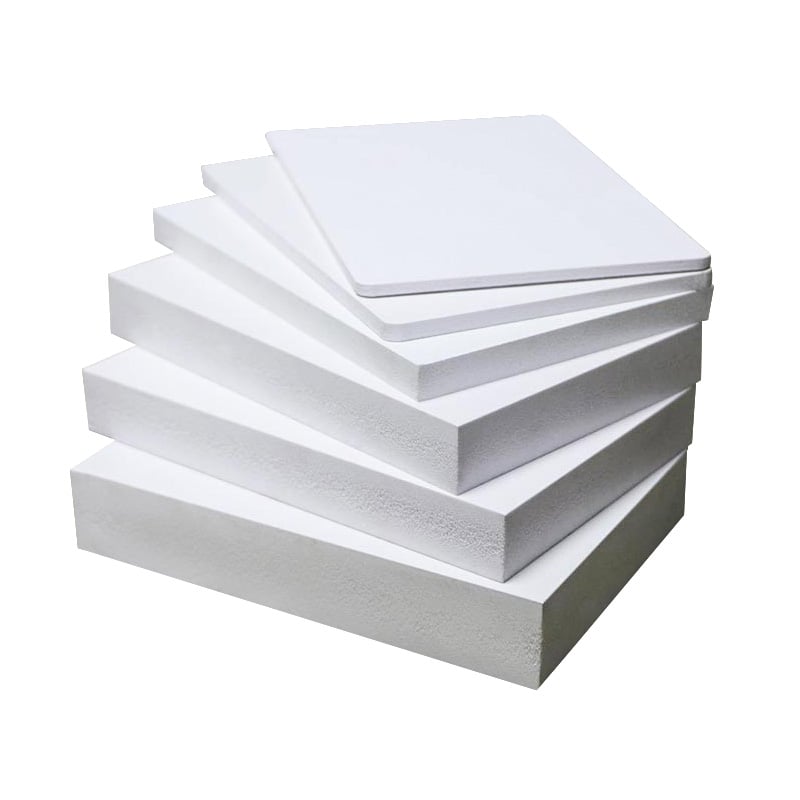
PVC foam sheets are a closed-cell, lightweight thermoplastic material prized for their smooth surface, dimensional stability, and ease of fabrication. Whether you are producing interior panels, exhibition displays, or protective cladding, the right approach to cutting and bonding PVC foam sheets separates professional-grade output from substandard work. This article covers the top industry practices that experienced fabricators rely on to get the most out of PVC foam sheets every time.
Selecting the Right Cutting Method for PVC Foam Sheets
Blade and Saw Cutting Techniques
The most common method used in workshops for cutting PVC foam sheets is straight-blade cutting with a utility knife or a fine-toothed circular saw. For thinner PVC foam sheets, typically those under 5 mm, a sharp utility knife guided along a steel ruler delivers clean, straight edges without chipping. Professionals always use a fresh blade when cutting PVC foam sheets, as a dull edge causes tearing and uneven surfaces that compromise the bond later in the process. For thicker PVC foam sheets, a table saw or panel saw fitted with a fine-toothed carbide blade produces the most consistent results.
When using a saw to cut PVC foam sheets, feed rate matters significantly. Moving PVC foam sheets too quickly through a saw blade generates heat from friction, which can melt the foam cell structure along the cut edge. A steady, moderate feed rate keeps the cut surface clean and preserves the structural integrity of the PVC foam sheets. Always support PVC foam sheets fully on both sides of the cut line to prevent vibration and edge breakout.
CNC Routing and Precision Cutting
For high-volume production or intricate shapes, CNC routing is the preferred technique when working with PVC foam sheets. CNC machines cut PVC foam sheets with exceptional repeatability, making them ideal for signage lettering, architectural millwork, and shaped display panels. Single-flute or double-flute upcut spiral router bits are most commonly recommended for cutting PVC foam sheets, as they efficiently clear chips and prevent heat buildup. Routing speeds for PVC foam sheets should be calibrated based on sheet density and thickness, with operators running test passes before committing to full production runs.
Surface Preparation Before Bonding PVC Foam Sheets
Cleaning and Degreasing the Surface
Achieving a strong adhesive bond with PVC foam sheets begins long before any glue is applied. The surfaces of PVC foam sheets must be clean, dry, and free of dust, oils, and release agents that may have been applied during manufacturing or storage. Industry professionals wipe PVC foam sheets with isopropyl alcohol before bonding, which removes contamination without damaging the foam surface. Any particles left on PVC foam sheets will create voids in the adhesive layer, weakening the overall joint and causing delamination under stress.
Light sanding is also commonly applied to the bonding surfaces of PVC foam sheets, especially when using solvent-based adhesives. Sanding PVC foam sheets with a fine-grit abrasive, around 180 to 220 grit, creates a slightly textured surface that increases mechanical adhesion. After sanding, PVC foam sheets must be wiped clean again to remove all abraded particles before adhesive application.
Choosing the Right Adhesive for PVC Foam Sheets
Adhesive selection is one of the most critical decisions when bonding PVC foam sheets in professional applications. Contact cement, solvent-based PVC adhesives, and two-part epoxy systems are all used widely with PVC foam sheets depending on the application requirements. Contact cement is favored for laminating large flat areas of PVC foam sheets because it allows both surfaces to be coated, allowed to tack, and then pressed together for an immediate, strong bond. Solvent-based adhesives penetrate slightly into the surface of PVC foam sheets and form a molecular bond, which is particularly effective for edge-to-edge joints. Two-part epoxy provides the highest structural strength when bonding PVC foam sheets to metal, wood, or other dissimilar substrates.
Bonding Techniques and Clamping Practices
Applying Adhesive Evenly to PVC Foam Sheets
Even adhesive distribution across PVC foam sheets is essential to avoid weak spots in the finished joint. Professionals apply adhesive to PVC foam sheets using a roller, notched spreader, or spray gun depending on the adhesive type and the size of the panel. Rollers are ideal for contact cement on large PVC foam sheets because they deposit an even film without air pockets. When spraying adhesive onto PVC foam sheets, operators maintain a consistent distance and overlapping passes to ensure full coverage. Thin, even coats on PVC foam sheets outperform thick, uneven applications because excess adhesive can bleed at the joint line or create a spongy bond that fails under load.
Clamping and Pressing Bonded PVC Foam Sheets
After adhesive application, PVC foam sheets should be pressed together with firm, uniform pressure to maximize contact across the bonded surface. For flat panel laminations, a vacuum press or roller press works excellently with PVC foam sheets because it distributes pressure evenly without point loading. When clamping PVC foam sheets with mechanical clamps, use caul boards or padding to spread clamping pressure and prevent denting the foam surface. Allowing adequate cure time is just as important as the pressing process. PVC foam sheets bonded with contact cement typically reach handling strength within minutes, but full bond cure on PVC foam sheets with epoxy systems may require several hours at room temperature. Maintaining consistent temperature and humidity during curing helps ensure PVC foam sheets achieve the strongest possible bond.
FAQ
What tools are best for cutting thin PVC foam sheets?
For thin PVC foam sheets under 5 mm, a sharp utility knife with a fresh blade guided along a steel straightedge delivers the cleanest cuts. A fine-toothed saw is preferred for thicker PVC foam sheets where a knife would require multiple passes and risk tearing.
Can PVC foam sheets be bonded to surfaces other than PVC?
Yes, PVC foam sheets can be bonded to wood, metal, glass, and composite substrates using the appropriate adhesive system. Two-part epoxy adhesives are generally the most reliable choice when bonding PVC foam sheets to dissimilar materials, as they form a structural bond that tolerates mechanical stress and environmental variation.
How should PVC foam sheets be stored before fabrication?
PVC foam sheets should be stored flat on a clean, dry surface away from direct sunlight and heat sources. Stacking PVC foam sheets horizontally with full support across the panel prevents warping. Keeping PVC foam sheets in stable temperature conditions also prevents dimensional changes that can affect cut accuracy and bonding performance.