 EN
EN

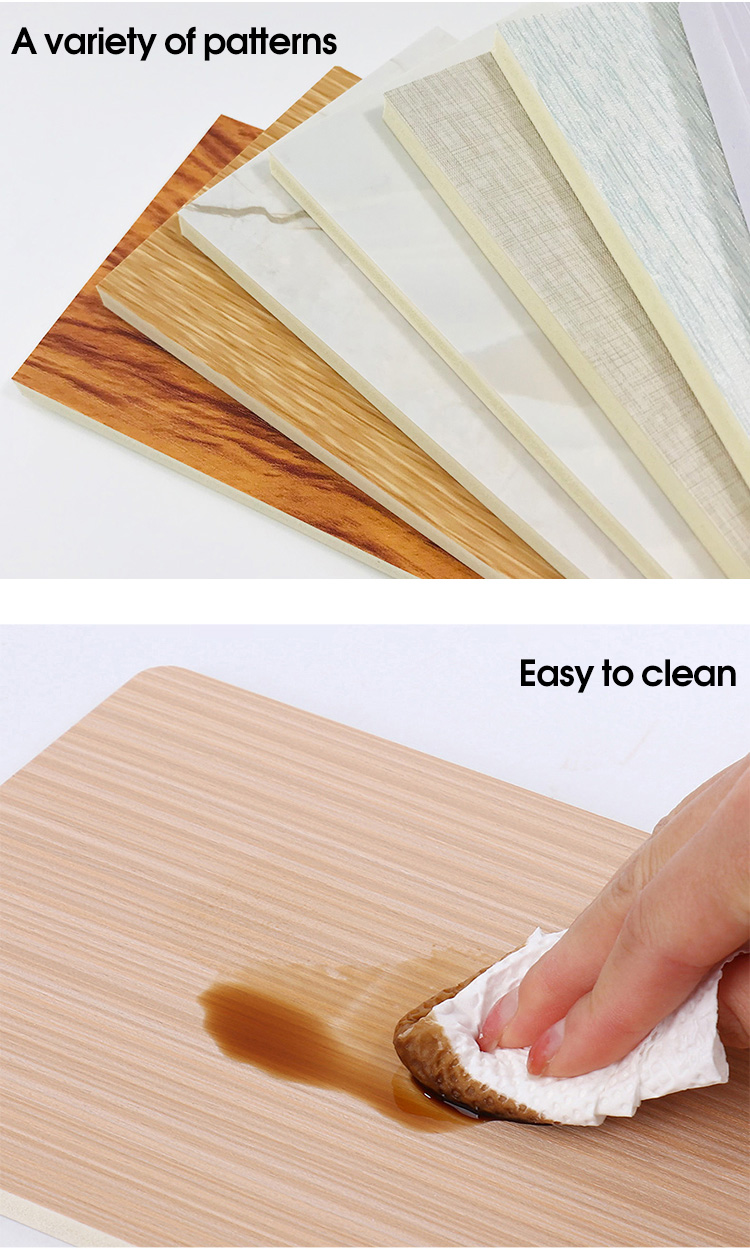
When building or renovating spaces exposed to constant humidity, standing water, or chemical moisture, material selection becomes a critical decision. A PVC foam sheet offers a proven, high-performance solution that resists moisture damage while maintaining structural integrity over time. Unlike wood-based panels or standard drywall, PVC foam sheet does not absorb water, warp, swell, or rot — making it an outstanding choice for moisture-prone environments across residential, commercial, and industrial settings.
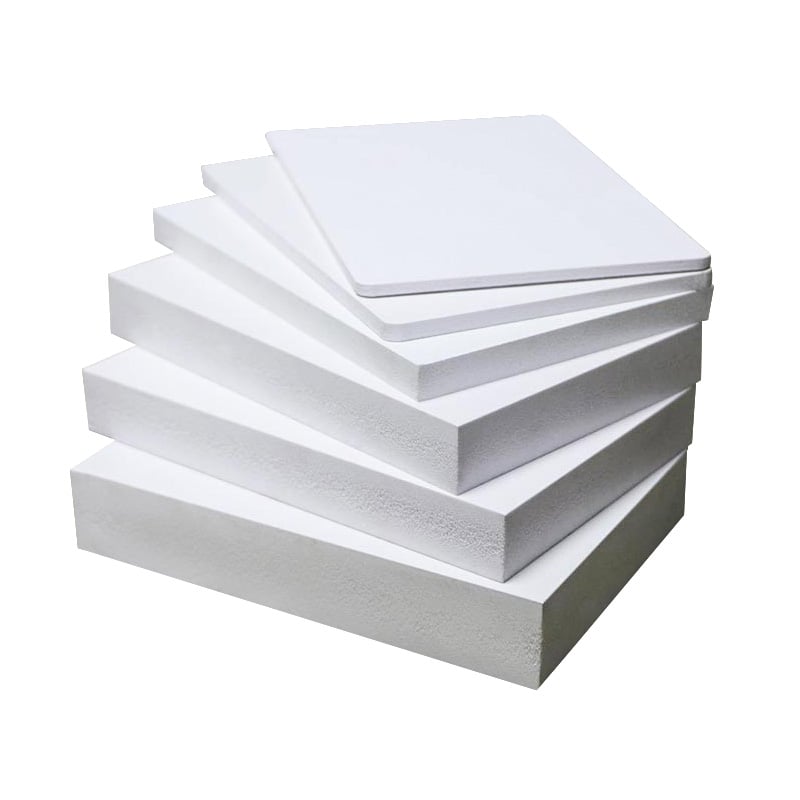
The growing demand for reliable waterproof materials has positioned PVC foam sheet as a preferred product in construction, signage, marine interiors, food processing facilities, and bathroom design. Its closed-cell structure fundamentally prevents water ingress, giving specifiers and contractors confidence that panels will perform consistently even under prolonged exposure. Understanding why PVC foam sheet works so effectively in wet conditions — and how to select the right grade — can save significant time, cost, and rework on any project.
Why PVC Foam Sheet Excels in Wet and Humid Conditions
The Science Behind Moisture Resistance
PVC foam sheet achieves its moisture resistance through a closed-cell foam matrix embedded within a rigid PVC skin. Each cell within the board is sealed, meaning liquid water and water vapor cannot penetrate the material's core. This is a fundamental physical advantage that separates PVC foam sheet from open-cell foams, particleboard, MDF, and even many composite panels. When the surface of a PVC foam sheet is exposed to splashing, condensation, or steam, the liquid simply runs off rather than soaking in.
This structural impermeability also prevents the growth of mold and mildew, which thrive in absorbed moisture trapped within porous substrates. In environments such as hospital washrooms, commercial kitchens, wet labs, and indoor pools, PVC foam sheet provides a hygienic, easy-to-clean surface that actively resists biological contamination. The material does not require sealants or waterproof coatings to maintain these properties — they are inherent to the product itself.
Dimensional Stability Under Humidity Fluctuations
One of the most significant practical benefits of PVC foam sheet in moisture-prone environments is its dimensional stability. Wood and wood-composite panels expand when they absorb humidity and contract when they dry, creating cycles of stress that lead to warping, joint failure, and surface delamination. PVC foam sheet does not undergo these dimensional changes because it does not interact with water at a molecular level. Installed panels remain flat, square, and tight-fitting across seasons and climate variations.
This stability directly reduces maintenance costs. Joints sealed with appropriate adhesives or mechanical fasteners stay intact without re-caulking or re-tightening. Surfaces remain smooth, which is important for decorative wall cladding, cabinetry facing, and signage applications where visual quality must be preserved. PVC foam sheet delivers reliable long-term performance precisely because it refuses to react to the environmental conditions that destroy other materials.
Key Application Areas for PVC Foam Sheet
Construction and Interior Fit-Out
In construction, PVC foam sheet is widely used for bathroom wall panels, ceiling tiles, partition systems, and wet-area cladding. Builders specify PVC foam sheet in showers, laundry rooms, basements, and utility areas where conventional materials would deteriorate rapidly. The product is lightweight compared to ceramic tile or solid PVC sheet, which simplifies handling and reduces structural load on wall and ceiling frameworks. Despite its low weight, PVC foam sheet provides sufficient rigidity to hold fasteners, accept adhesives, and support surface finishes including paint, vinyl wraps, and laminates.
Commercial fit-out professionals also rely on PVC foam sheet for food service environments such as restaurant kitchens, cold storage facilities, and food manufacturing plants. These settings demand surfaces that can be washed down repeatedly with water and cleaning agents without suffering material degradation. PVC foam sheet withstands routine chemical cleaning while maintaining its surface integrity — a property that satisfies both hygiene regulations and facility managers seeking durable, low-maintenance finishes.
Marine and Outdoor Applications
PVC foam sheet is a standard material in marine interior construction, used for boat cabinetry, berth panels, bulkheads, and overhead liners. The combination of moisture resistance, low weight, and easy fabrication makes PVC foam sheet ideal for vessels operating in high-humidity sea environments. Saltwater exposure, condensation from temperature differentials, and accidental flooding do not compromise the integrity of a properly installed PVC foam sheet panel.
Outdoor signage and display applications also benefit from PVC foam sheet because the material resists rain, humidity, and UV degradation when UV-stabilized grades are used. Signage fabricators choose PVC foam sheet for exterior displays, real estate boards, and event graphics because the panels cut cleanly, print well, and do not absorb water that would cause printed surfaces to bubble or peel. The durability of PVC foam sheet in exposed conditions reduces replacement frequency and total project cost.
Selecting the Right PVC Foam Sheet Grade
Density and Thickness Considerations
PVC foam sheet is manufactured in a range of densities, typically from 0.4 g/cm³ for lightweight display grades up to 0.7 g/cm³ or higher for structural applications. For moisture-prone environments requiring strong, load-bearing panels — such as wall cladding in industrial facilities — a higher-density PVC foam sheet provides better screw retention, impact resistance, and surface hardness. Lighter grades of PVC foam sheet are preferred for suspended ceiling applications or portable display systems where weight is the primary concern.
Thickness selection for PVC foam sheet depends on span distances, mechanical loads, and the method of installation. Panels used as wall cladding glued directly to a substrate can be thinner — typically 3 mm to 5 mm — while free-standing partitions or structurally supported panels may require PVC foam sheet in 10 mm to 20 mm thicknesses. Consulting product specifications and load tables ensures that the selected PVC foam sheet grade will perform safely over its intended service life without deflection or failure.
Surface Finish and Fabrication Compatibility
PVC foam sheet is available with smooth or textured surface finishes, and both types accept standard woodworking and plastic fabrication techniques including sawing, routing, drilling, and edge profiling. For moisture-prone environments where aesthetics matter — such as hospitality bathrooms or retail fit-outs — PVC foam sheet can be laminated with decorative films, painted with PVC-compatible coatings, or finished with solid-color surfaces during manufacturing. Choosing the right surface specification ensures that the installed PVC foam sheet meets both performance and visual requirements without additional costly secondary processes.
FAQ
Is PVC foam sheet safe to use in food preparation areas?
Yes, PVC foam sheet is widely used in food preparation and processing environments. The material is non-porous, easy to clean, and resistant to common food-safe cleaning chemicals. It does not harbor bacteria within its surface when properly maintained. Specifiers should confirm that the specific grade of PVC foam sheet selected meets relevant food contact or hygiene standards applicable in their region.
How does PVC foam sheet compare to solid PVC board in wet environments?
Both PVC foam sheet and solid PVC board resist moisture effectively, but PVC foam sheet offers a significant weight advantage due to its cellular core structure. This makes PVC foam sheet easier to handle, cut, and install in large-format applications. Solid PVC board is denser and may be preferred where maximum impact resistance is required. For most moisture-prone interior applications, PVC foam sheet provides the optimal balance of weight, rigidity, and water resistance.
Can PVC foam sheet be used outdoors permanently?
PVC foam sheet can be used outdoors when UV-stabilized grades are specified. Standard PVC foam sheet may experience surface discoloration or minor degradation if exposed to direct sunlight over extended periods without UV protection. For permanent outdoor installations in moisture-prone or exposed environments, always select a UV-stabilized PVC foam sheet product and verify the manufacturer's recommended exposure ratings to ensure long-term durability.