 EN
EN

When brands compete for shopper attention on a retail floor, the materials behind the display matter as much as the design itself. A PVC foam sheet has become one of the most relied-upon materials in visual merchandising because it combines a clean surface, manageable weight, and structural consistency that other substrates struggle to match. Retailers and display fabricators who choose a PVC foam sheet benefit from a platform that supports sharp graphics, clean-cut edges, and lasting presentation quality throughout a campaign.
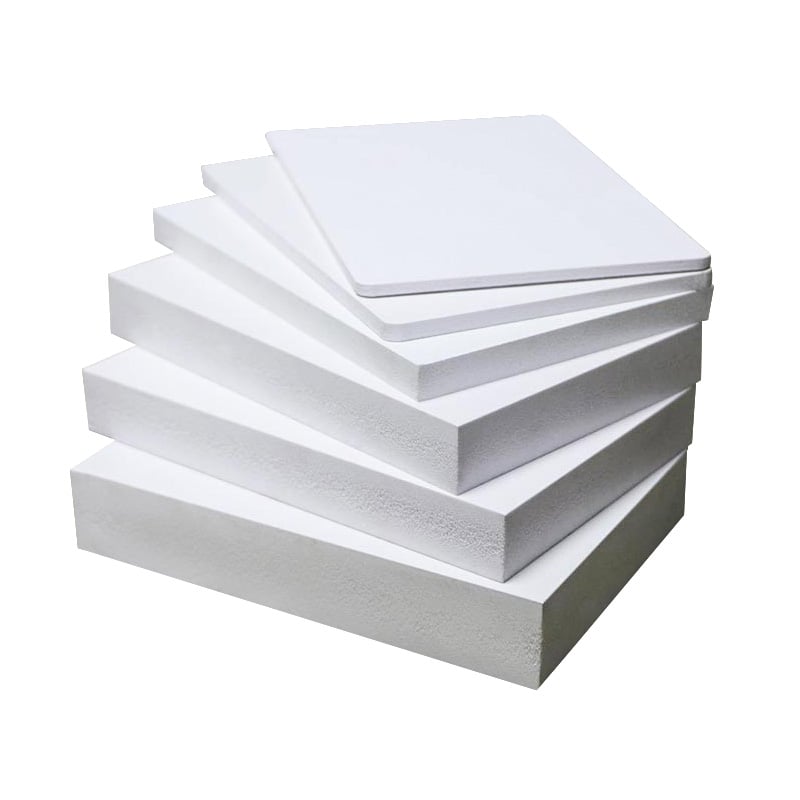
Understanding how a PVC foam sheet contributes to retail display success requires looking beyond the material itself and examining its role in the full visual presentation process. From point-of-sale signage to full-wall brand panels, a PVC foam sheet delivers consistent, professional results that translate directly into stronger brand perception at the retail level. This article examines the specific ways a PVC foam sheet enhances visual presentation, covering surface quality, fabrication flexibility, and practical display applications.
Surface Quality and Print Performance of PVC Foam Sheet
A Smooth Base for High-Impact Graphics
One of the primary reasons retailers choose a PVC foam sheet for display work is its uniformly smooth surface. Unlike raw wood or corrugated alternatives, a PVC foam sheet presents a flat, closed-cell face that accepts direct UV printing, vinyl wrapping, and solvent-based inks with minimal preparation. This surface consistency means that printed graphics on a PVC foam sheet appear vivid, sharp, and color-accurate, which is essential when brand standards require precise color reproduction across multiple display units.
The even texture of a PVC foam sheet also eliminates the grain interference and absorption inconsistencies that can degrade print quality on fiber-based materials. When a display fabricator applies large-format graphics to a PVC foam sheet, the result is a finished panel that looks professionally produced even at close viewing distances. This level of print fidelity gives brands the visual edge they need in competitive retail environments where first impressions are formed in seconds.
Color Retention Over the Display Lifecycle
Retail displays are often expected to remain visually compelling for weeks or months at a time. A PVC foam sheet supports this requirement because its surface resists fading, moisture absorption, and surface degradation under typical indoor retail conditions. Graphics applied to a PVC foam sheet maintain their original saturation longer than those applied to cardboard or paper-backed alternatives, reducing the need for frequent replacement and lowering the total cost of a display campaign.
Fabrication Flexibility and Structural Advantages
Easy Cutting, Shaping, and Assembly
The fabrication behavior of a PVC foam sheet is a key reason it enhances visual presentation outcomes in retail. A PVC foam sheet can be cut cleanly with standard routing equipment, laser cutters, or hand tools, allowing fabricators to produce custom shapes, layered signage elements, and three-dimensional display structures with precision. Because a PVC foam sheet holds its shape without splintering or delaminating, cut edges remain clean and presentable, which contributes directly to the polished appearance of a finished display.
This fabrication flexibility means that a PVC foam sheet can be used to build display components ranging from simple shelf talkers to complex branded fixtures. Fabricators can score and bend a PVC foam sheet to create angled display panels, box frames, and structural backdrops that add visual depth to a retail presentation. The ability to create dimensional elements from a single PVC foam sheet material reduces the complexity of the supply chain and improves production consistency across large display rollouts.
Lightweight Strength for Retail Environments
Weight is a practical concern in retail display design, particularly for freestanding units, hanging signs, and wall-mounted panels. A PVC foam sheet delivers the structural rigidity needed to support graphics and maintain display shape while remaining significantly lighter than MDF, plywood, or solid plastic sheets of comparable thickness. This weight advantage makes a PVC foam sheet easier to install, reposition, and transport between store locations, which is important for brands that run coordinated campaigns across multiple retail sites.
The low density of a PVC foam sheet also reduces the load placed on mounting hardware, wall anchors, and ceiling suspension systems, which simplifies installation and lowers the risk of display failure during use. Retailers appreciate that a PVC foam sheet can be handled by store staff without specialized equipment, making it practical for campaign refreshes and seasonal display changes.
Retail Display Applications Where PVC Foam Sheet Excels
Point-of-Sale Signage and Brand Panels
Point-of-sale signage is one of the highest-visibility applications in the retail environment, and a PVC foam sheet is well-suited to this role. A PVC foam sheet provides a rigid, flat backing for printed price cards, promotional headers, and product feature callouts that need to remain upright and undistorted throughout a campaign. The surface of a PVC foam sheet does not warp under normal indoor humidity changes, which keeps signage looking fresh and aligned even in locations with variable climate control.
For larger brand panels and feature walls, a PVC foam sheet allows display builders to cover significant surface areas with seamless graphics. When multiple sheets are joined, the uniform thickness of a PVC foam sheet ensures that panel edges align cleanly, avoiding the stepped or uneven surfaces that can undermine a premium brand presentation. This consistency makes a PVC foam sheet a dependable choice for flagship store installations and product launch events where visual precision is non-negotiable.
Seasonal and Campaign Displays
Seasonal retail campaigns require display materials that can be produced quickly, installed without disruption, and replaced efficiently when the campaign ends. A PVC foam sheet meets all three of these requirements. Its compatibility with fast-turnaround print processes means that a PVC foam sheet can move from design approval to finished display panel in a short production window. When a campaign concludes, a PVC foam sheet can be removed and responsibly managed, and many formulations support recycling streams within industrial processing facilities.
FAQ
What thickness of PVC foam sheet works best for retail display signs?
For most retail display signage, a PVC foam sheet in the 3mm to 5mm thickness range provides the right balance of rigidity and weight. A thinner PVC foam sheet is suitable for lightweight hanging signs, while a 5mm or thicker PVC foam sheet is preferred for freestanding panels and structural display elements that need to hold their shape under light physical contact.
Can a PVC foam sheet be used for outdoor retail displays?
A standard PVC foam sheet is primarily designed for indoor applications. For outdoor retail displays, a PVC foam sheet with UV-stabilized additives or a weather-resistant surface treatment is recommended. Prolonged direct sunlight and moisture exposure can affect an untreated PVC foam sheet over time, so specifying the correct grade for the intended environment is important before committing to a large display production run.
How does a PVC foam sheet compare to cardboard for retail displays?
A PVC foam sheet offers significantly better moisture resistance, surface consistency, and structural durability compared to cardboard. While cardboard is lower in cost for very short-term use, a PVC foam sheet delivers superior print quality and a longer display lifespan, making it more cost-effective across medium to long campaign durations where display appearance must remain sharp and professional throughout.