 EN
EN

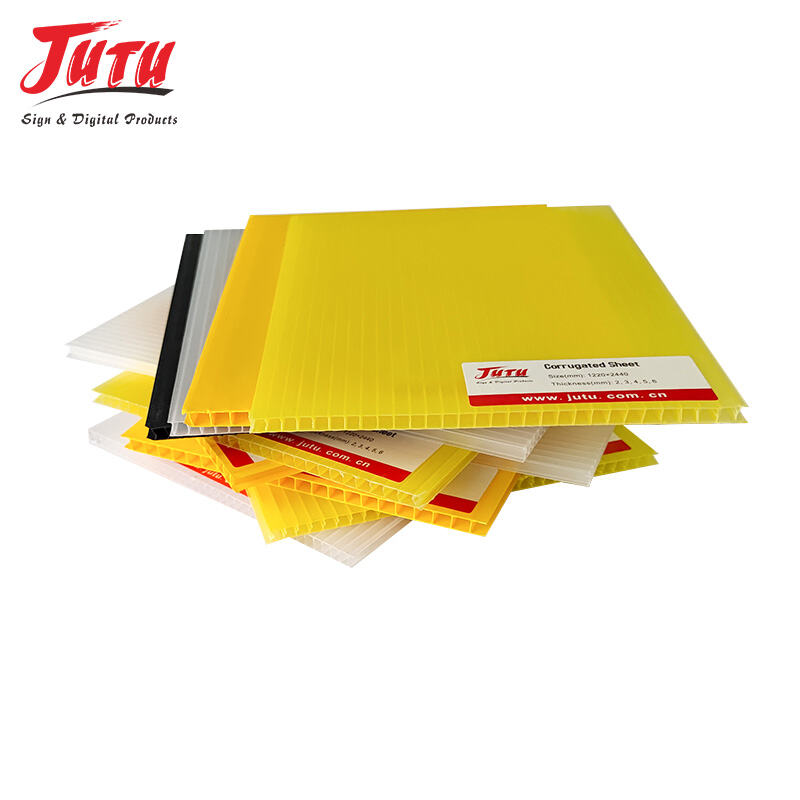
When selecting materials for construction, signage, or industrial applications, choosing between PVC foam sheet and ABS sheet can significantly impact project outcomes. Both materials offer unique properties that make them suitable for different applications, but understanding their technical specifications and performance characteristics is essential for making informed decisions. The growing demand for lightweight yet durable materials has positioned PVC foam sheet as a preferred choice across multiple industries, while ABS sheet continues to serve specific applications where its properties align with project requirements.
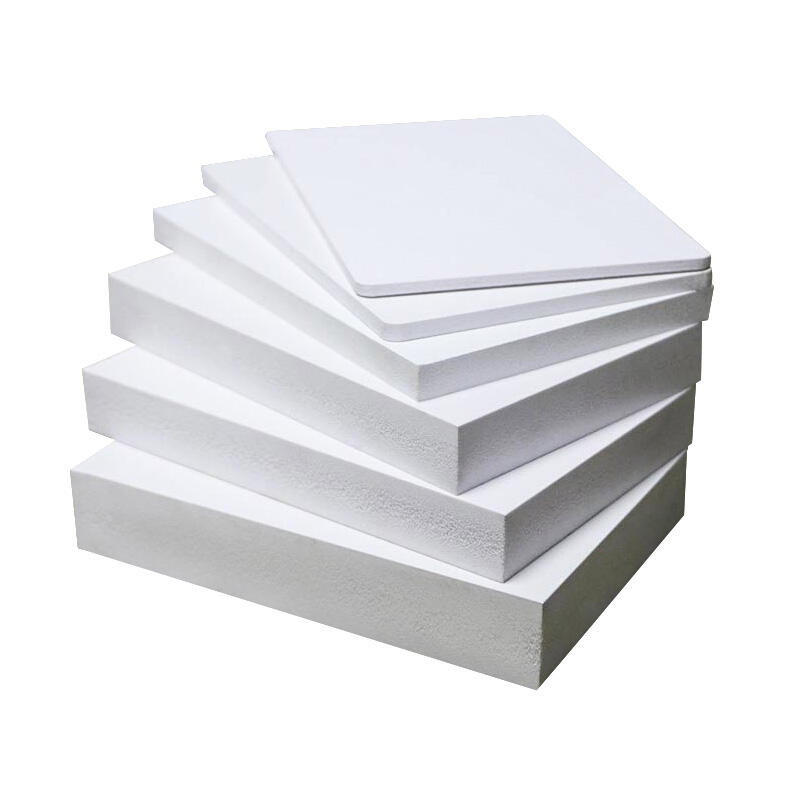
Manufacturing industries increasingly rely on technical comparisons to optimize material selection processes. PVC foam sheet demonstrates superior properties in moisture resistance and chemical stability compared to ABS alternatives. The cellular structure of PVC foam sheet provides excellent insulation properties while maintaining structural integrity under various environmental conditions. These characteristics make it particularly valuable for outdoor applications where weather resistance becomes a critical factor.
Material Composition and Structure
PVC Foam Sheet Cellular Architecture
The unique cellular structure of PVC foam sheet creates a lightweight material with exceptional strength-to-weight ratios. This closed-cell foam construction provides inherent insulation properties that surpass solid plastic alternatives. The manufacturing process involves precise temperature and pressure controls that determine the density and cell size distribution throughout the sheet thickness.
Advanced extrusion techniques ensure consistent cell formation across the entire PVC foam sheet surface. The polymer matrix maintains structural stability while the foam core reduces overall weight without compromising mechanical properties. This dual-layer construction approach enables the material to achieve optimal performance characteristics for demanding applications.
ABS Sheet Solid Construction
ABS sheet features a homogeneous solid structure that provides uniform mechanical properties throughout its thickness. The thermoplastic composition combines acrylonitrile, butadiene, and styrene polymers to create a material with balanced strength and processing characteristics. This solid construction delivers consistent performance but results in higher material density compared to foam alternatives.
The molecular structure of ABS sheet enables excellent impact resistance and dimensional stability under varying temperature conditions. However, the solid composition increases material weight and reduces thermal insulation capabilities compared to cellular foam structures. These properties influence application suitability and installation requirements across different project types.
Mechanical Properties and Performance
Strength and Durability Characteristics
Mechanical testing reveals distinct performance differences between PVC foam sheet and ABS sheet materials. PVC foam sheet demonstrates superior flexural strength relative to its weight, making it ideal for applications requiring structural support with minimal material thickness. The foam structure absorbs impact energy effectively while maintaining surface integrity under stress conditions.
Tensile strength comparisons show that while ABS sheet may exhibit higher absolute strength values, the strength-to-weight ratio favors PVC foam sheet in most practical applications. Long-term durability testing indicates that PVC foam sheet maintains its mechanical properties better under continuous exposure to environmental stressors.
Temperature and Chemical Resistance
Temperature stability analysis reveals that PVC foam sheet maintains dimensional stability across a broader temperature range compared to ABS sheet. The cellular structure provides thermal insulation that protects the core material from rapid temperature changes that could cause warping or cracking in solid materials.
Chemical resistance testing demonstrates that PVC foam sheet exhibits superior performance when exposed to common industrial chemicals, cleaning agents, and environmental pollutants. ABS sheet shows adequate chemical resistance but may experience surface degradation when exposed to certain solvents and aggressive chemicals over extended periods.
Installation and Processing Advantages
Fabrication and Machining Properties
Processing characteristics significantly influence material selection decisions in manufacturing environments. PVC foam sheet machines easily using standard woodworking tools while producing minimal waste during cutting and shaping operations. The cellular structure reduces cutting forces required and prevents material cracking that can occur with brittle solid plastics.
Drilling and routing operations on PVC foam sheet produce clean edges without the heat buildup commonly associated with solid plastic machining. The material's low density reduces tool wear and enables faster processing speeds, contributing to improved manufacturing efficiency and reduced production costs.
Joining and Assembly Methods
Adhesive bonding represents the preferred assembly method for PVC foam sheet applications, with various adhesive systems providing strong, durable joints. The cellular structure creates increased surface area for adhesive contact while the material's porosity enables mechanical interlocking with appropriate adhesive formulations.
Mechanical fastening systems work effectively with PVC foam sheet when proper techniques and hardware are employed. The material's compressive properties allow for secure fastener installation while distributing loads across the foam structure. ABS sheet typically requires different fastening approaches due to its solid construction and different expansion characteristics.
Environmental Performance and Sustainability
Weather Resistance and Outdoor Durability
Outdoor exposure testing reveals superior weather resistance in PVC foam sheet compared to ABS alternatives. UV stabilization additives protect the material from solar radiation degradation while the closed-cell structure prevents moisture infiltration that could compromise structural integrity over time.
Thermal cycling tests demonstrate that PVC foam sheet maintains dimensional stability through repeated heating and cooling cycles that occur in outdoor applications. The material's expansion coefficient and cellular structure accommodate thermal stresses without developing surface cracks or delamination issues.
Recycling and End-of-Life Considerations
Sustainability considerations increasingly influence material selection processes across industries. PVC foam sheet can be mechanically recycled through specialized processes that separate the cellular structure and reprocess the polymer content. However, recycling infrastructure for foam plastics requires specific equipment and handling procedures.
ABS sheet offers more straightforward recycling pathways through conventional plastic recycling systems. The homogeneous material composition simplifies the recycling process but may not offset the environmental benefits of using lighter-weight PVC foam sheet materials that reduce transportation energy requirements.
Cost Analysis and Economic Factors
Initial Material Costs
Economic analysis must consider both initial material costs and total project economics when comparing PVC foam sheet to ABS alternatives. While unit pricing may vary based on thickness, size, and quality specifications, PVC foam sheet often provides cost advantages through reduced material weight and simplified installation requirements.
Volume pricing structures favor PVC foam sheet in large-scale applications where material weight directly impacts shipping costs and installation labor requirements. The cellular structure enables thinner material sections to achieve equivalent performance to thicker solid materials, resulting in material savings across project specifications.
Lifecycle Cost Considerations
Total cost of ownership calculations must include maintenance, replacement, and disposal costs over the material's service life. PVC foam sheet demonstrates excellent long-term performance that reduces maintenance requirements and extends replacement intervals in many applications.
Installation cost advantages result from the lighter weight of PVC foam sheet, which reduces labor requirements and enables single-person handling for many sizes. These installation efficiencies translate to reduced project timelines and lower total installation costs compared to heavier solid materials.
Application-Specific Performance
Signage and Display Applications
Signage applications showcase the advantages of PVC foam sheet in terms of printability, mounting options, and durability. The smooth surface accepts various printing methods while the lightweight construction simplifies mounting systems and reduces structural support requirements.
Digital printing compatibility makes PVC foam sheet particularly attractive for custom signage applications where high-quality graphics must maintain appearance over extended outdoor exposure periods. The material's dimensional stability prevents graphic distortion that can occur with materials that experience significant thermal expansion.
Construction and Building Applications
Construction applications benefit from the insulation properties and moisture resistance inherent in PVC foam sheet construction. The material serves effectively as wall cladding, interior panels, and architectural elements where weight reduction improves installation efficiency without compromising performance.
Building code compliance considerations favor PVC foam sheet in applications where fire resistance and low smoke generation requirements must be met. The material's composition and cellular structure contribute to favorable fire performance characteristics compared to some solid plastic alternatives.
Quality Standards and Specifications
Industry Testing and Certification
Quality assurance protocols for PVC foam sheet involve comprehensive testing programs that evaluate mechanical properties, environmental resistance, and manufacturing consistency. Standardized test methods ensure that material specifications meet industry requirements across various application categories.
Certification programs provide third-party validation of PVC foam sheet performance characteristics, enabling confident specification in critical applications. These certification systems cover fire resistance, environmental durability, and structural performance parameters essential for engineering calculations.
Manufacturing Quality Control
Advanced manufacturing processes ensure consistent quality in PVC foam sheet production through precise control of foam density, cell structure, and surface finish parameters. Quality control systems monitor thickness tolerances, surface smoothness, and mechanical properties throughout production runs.
Statistical process control methods identify variations in PVC foam sheet properties before they impact end-user applications. This proactive quality management approach ensures that material performance meets specification requirements consistently across different production batches.
FAQ
What are the main differences between PVC foam sheet and ABS sheet
The primary differences lie in their structural composition and resulting properties. PVC foam sheet features a cellular foam core that provides excellent strength-to-weight ratios, superior insulation properties, and enhanced moisture resistance. ABS sheet has a solid homogeneous structure that offers high impact resistance but with greater weight and density. PVC foam sheet typically performs better in outdoor applications due to superior weather resistance, while ABS sheet may be preferred for applications requiring maximum impact strength.
Which material offers better value for construction applications
PVC foam sheet generally provides better value for construction applications due to its lightweight properties, excellent weather resistance, and ease of installation. The material's cellular structure delivers adequate structural performance while reducing transportation costs and installation labor requirements. The superior moisture resistance and thermal insulation properties of PVC foam sheet also contribute to better long-term performance in building applications, reducing maintenance and replacement costs over the material's service life.
How do the machining characteristics compare between these materials
PVC foam sheet machines more easily than ABS sheet using standard woodworking tools, producing clean cuts with minimal heat generation. The cellular structure requires less cutting force and reduces tool wear compared to solid ABS materials. PVC foam sheet also produces less waste during fabrication and enables faster processing speeds, making it more cost-effective for custom fabrication projects that require extensive cutting, routing, or drilling operations.
What environmental factors should influence material selection
Environmental exposure conditions significantly impact material performance and longevity. PVC foam sheet excels in applications with high moisture exposure, temperature cycling, and UV radiation due to its closed-cell structure and stabilization additives. For indoor applications with minimal environmental stresses, ABS sheet may provide adequate performance. However, for outdoor applications or environments with chemical exposure, cleaning requirements, or thermal cycling, PVC foam sheet typically delivers superior long-term performance and reduced maintenance needs.