 EN
EN

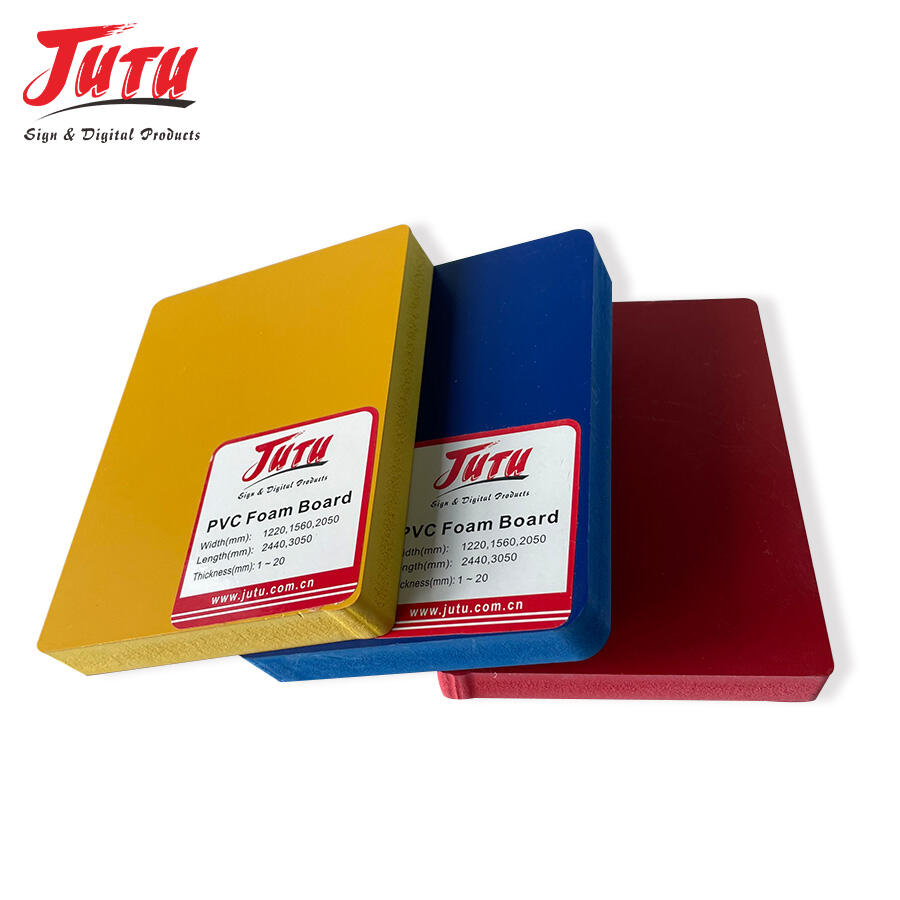
The selection of materials for outdoor applications presents unique challenges that require careful consideration of environmental factors. Among the most critical aspects is ultraviolet radiation resistance, which can significantly impact the longevity and performance of construction materials. PVC foam sheets have emerged as a popular solution for various outdoor projects due to their versatility and inherent properties that make them suitable for exposure to harsh weather conditions. Understanding how to properly evaluate UV resistance in these materials is essential for architects, contractors, and facility managers who need reliable performance over extended periods.
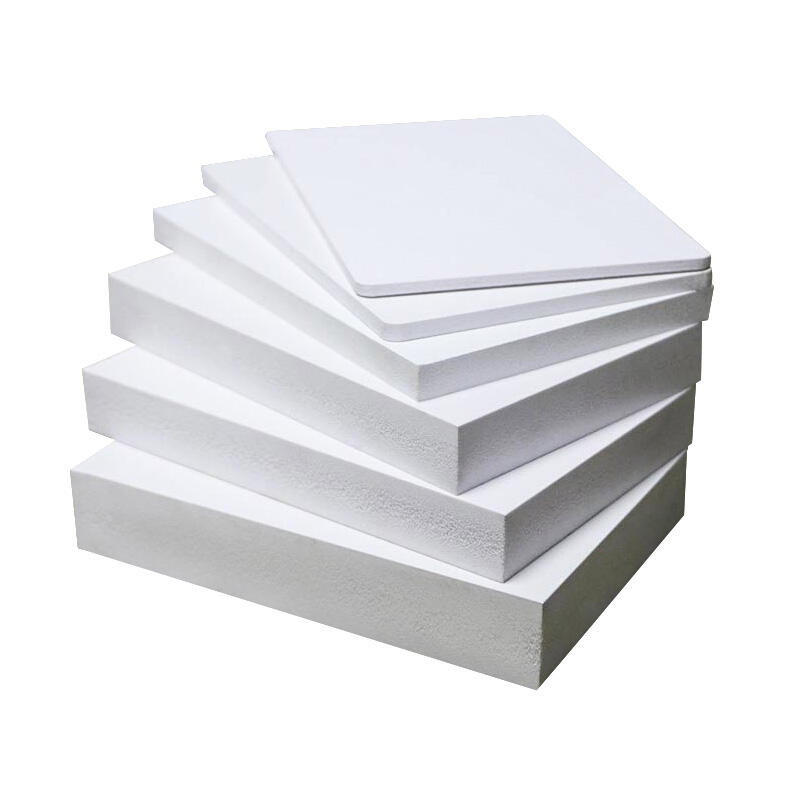
The degradation of polymer materials under UV exposure is a complex process that involves photochemical reactions at the molecular level. When PVC foam sheets are subjected to ultraviolet radiation, the polymer chains can break down, leading to surface chalking, color fading, and mechanical property deterioration. This degradation process varies significantly depending on the formulation of the material, the presence of UV stabilizers, and the intensity of exposure conditions. Manufacturers have developed sophisticated testing protocols and stabilization techniques to ensure that PVC foam sheets maintain their structural integrity and aesthetic appeal throughout their intended service life.
Understanding UV Degradation Mechanisms in Polymer Materials
Photochemical Processes Affecting PVC Structure
The interaction between ultraviolet radiation and PVC foam sheets initiates a series of chemical reactions that can compromise the material's performance characteristics. Primary degradation occurs when UV photons break the carbon-chlorine bonds in the PVC polymer chain, leading to the formation of free radicals and subsequent chain scission. This process is particularly pronounced at wavelengths between 280 and 320 nanometers, which correspond to the most damaging portion of the solar spectrum. The presence of impurities, residual catalysts, and environmental contaminants can accelerate these degradation processes, making material purity and formulation critical factors in outdoor performance.
Secondary oxidation reactions further compound the degradation process as free radicals interact with atmospheric oxygen to form peroxides and other oxidative species. These secondary reactions can propagate throughout the material matrix, causing progressive deterioration that extends beyond the immediate surface layers. The foam structure of PVC foam sheets presents additional challenges as the cellular architecture can trap degradation products and create localized stress concentrations that accelerate failure mechanisms. Understanding these fundamental processes is crucial for developing effective evaluation criteria and selecting appropriate materials for specific outdoor applications.
Environmental Factors Influencing Degradation Rates
The rate and extent of UV degradation in PVC foam sheets depend heavily on environmental conditions that vary significantly across different geographical locations and seasonal patterns. Solar irradiance levels, ambient temperatures, humidity, and atmospheric pollutants all contribute to the overall stress experienced by outdoor materials. High-altitude installations face increased UV exposure due to reduced atmospheric filtering, while coastal environments introduce salt spray and moisture that can accelerate degradation through synergistic effects. Temperature fluctuations create thermal cycling stresses that can exacerbate UV-induced damage by promoting crack propagation and molecular mobility.
Seasonal variations in solar angle and intensity require consideration of cumulative exposure over the material's intended service life. Winter conditions may provide temporary relief from UV exposure, but the combination of freeze-thaw cycling and residual solar radiation can create unique stress conditions that differ from laboratory testing protocols. Regional climate data and historical weather patterns provide valuable context for predicting real-world performance of PVC foam sheets in specific installation locations. This environmental awareness enables more accurate selection criteria and appropriate safety factors for outdoor applications.
Standard Testing Methods for UV Resistance Evaluation
Accelerated Weathering Test Protocols
Industry-standard testing methods for evaluating UV resistance in PVC foam sheets rely primarily on accelerated weathering protocols that simulate years of outdoor exposure in controlled laboratory conditions. The ASTM G154 standard specifies procedures using fluorescent UV lamps that replicate the most damaging portions of the solar spectrum, while ASTM G155 covers xenon arc weathering that provides a broader spectral match to natural sunlight. These accelerated tests typically expose PVC foam sheets to intensified UV radiation, elevated temperatures, and controlled moisture cycles to compress the timeline for degradation assessment.
Test specimens undergo periodic evaluation for changes in mechanical properties, surface appearance, and dimensional stability throughout the exposure period. Standardized measurement techniques quantify color change, gloss retention, and surface roughness to provide objective assessments of aesthetic degradation. Mechanical testing evaluates changes in tensile strength, flexural modulus, and impact resistance that indicate structural compromise. The correlation between accelerated test results and real-world performance requires careful consideration of acceleration factors and environmental conditions to ensure meaningful predictions of long-term behavior.
Natural Exposure Testing Considerations
While accelerated testing provides rapid assessment capabilities, natural exposure testing offers the most realistic evaluation of how PVC foam sheets perform under actual outdoor conditions. Long-term exposure sites in various climatic zones provide valuable data on regional performance variations and help validate accelerated testing correlations. Natural weathering studies typically require several years to generate meaningful data, but they capture the complex interactions between multiple environmental factors that may not be adequately represented in laboratory conditions.
The selection of exposure sites for natural weathering studies should represent the range of conditions where PVC foam sheets will be installed. Desert locations provide high UV and temperature exposure with low humidity, while tropical sites offer high temperature and humidity with moderate UV levels. Temperate regions present seasonal variations that test thermal cycling resistance alongside UV exposure. Proper specimen mounting and periodic evaluation protocols ensure consistent data collection across multiple test sites and extended exposure periods.
Material Formulation Strategies for Enhanced UV Resistance
UV Stabilizer Technologies and Applications
The incorporation of UV stabilizers into PVC foam sheets represents the primary method for enhancing outdoor performance and extending service life. Hindered amine light stabilizers (HALS) function as radical scavengers that interrupt the degradation chain reactions initiated by UV exposure. These stabilizers work continuously throughout the material's life cycle, regenerating their active forms after neutralizing free radicals. The effectiveness of HALS compounds depends on their molecular structure, concentration, and compatibility with the PVC matrix and processing conditions.
UV absorbers provide complementary protection by filtering harmful radiation before it can initiate degradation reactions within the polymer structure. Benzotriazole and benzophenone compounds are commonly used absorbers that convert UV energy into harmless heat through molecular energy transitions. The selection and concentration of UV absorbers must balance protection effectiveness with processing requirements and cost considerations. Advanced stabilizer packages often combine multiple mechanisms to provide comprehensive protection against various wavelengths and exposure conditions encountered in outdoor applications.
Pigmentation and Surface Treatment Options
Color formulation plays a crucial role in the UV resistance of PVC foam sheets as different pigments provide varying levels of protection against solar radiation. Titanium dioxide, commonly used as a white pigment, offers excellent UV screening properties that can significantly enhance the durability of light-colored materials. Carbon black provides outstanding UV protection for dark-colored applications but may contribute to heat buildup under intense solar exposure. Organic pigments generally offer less UV protection than inorganic alternatives but provide greater color variety and aesthetic options for architectural applications.
Surface treatments and coatings can provide additional protection layers that complement the inherent UV resistance of the base material. Acrylic and polyurethane coatings offer enhanced weathering resistance and can be formulated with high concentrations of UV stabilizers and absorbers. These surface treatments also provide opportunities for aesthetic enhancement through texture, gloss control, and specialized color effects. The adhesion and long-term compatibility between surface treatments and PVC foam sheets require careful evaluation to ensure that protective coatings do not become failure points under outdoor exposure conditions.
Performance Criteria and Specification Guidelines
Establishing Minimum Performance Requirements
The development of meaningful performance criteria for UV resistance in PVC foam sheets requires consideration of the specific application requirements and expected service life. Architectural applications typically demand minimal color change and surface degradation over 10-20 year periods, while temporary installations may accept higher degradation rates for shorter exposure durations. Quantitative specifications should address both aesthetic and functional performance parameters, including maximum allowable color change (Delta E values), retention of mechanical properties, and acceptable levels of surface chalking or gloss reduction.
Industry standards and building codes provide guidance for minimum performance levels, but project-specific requirements often exceed these baseline criteria. The ASTM D4329 standard specifies exposure conditions and evaluation methods for plastic materials, while regional building codes may establish specific weathering requirements for exterior building components. Specification writers should consider local climate conditions, installation orientation, and maintenance expectations when establishing performance criteria that ensure adequate service life for PVC foam sheets in outdoor applications.
Quality Assurance and Testing Protocols
Implementing comprehensive quality assurance programs ensures that PVC foam sheets meet specified UV resistance requirements throughout production and delivery cycles. Incoming material testing should verify that UV stabilizer concentrations meet formulation specifications and that base polymer properties align with performance expectations. Process control monitoring during foam production helps identify variations in cell structure, density, and surface quality that could affect UV resistance performance. Finished product testing validates that completed PVC foam sheets meet established performance criteria before shipment to project sites.
Statistical process control methods enable manufacturers to track performance trends and identify potential quality issues before they impact delivered products. Regular correlation studies between accelerated testing results and field performance data help refine testing protocols and improve prediction accuracy for long-term outdoor behavior. Documentation systems should maintain traceability between raw materials, processing conditions, and final product performance to support warranty claims and continuous improvement initiatives.
Installation and Maintenance Considerations for Optimal Performance
Proper Installation Techniques
The installation methodology for PVC foam sheets significantly influences their long-term UV resistance performance and overall durability in outdoor applications. Proper support spacing and attachment methods prevent excessive deflection that could create stress concentrations and accelerate failure under combined UV and mechanical loading. Thermal expansion considerations require appropriate gap allowances and flexible attachment systems that accommodate dimensional changes without inducing destructive stresses. Edge protection and sealing details prevent moisture infiltration that could compromise foam structure and reduce UV resistance effectiveness.
Orientation relative to solar exposure affects the intensity and duration of UV radiation that PVC foam sheets experience throughout daily and seasonal cycles. South-facing installations in northern hemisphere locations receive maximum direct solar exposure, while east and west orientations experience intense but shorter duration exposure periods. Shading from adjacent structures or vegetation can significantly reduce UV exposure but may create non-uniform weathering patterns that affect aesthetic appearance. Installation design should consider these exposure variations and incorporate appropriate material selections and protection measures based on expected solar loading conditions.
Maintenance Requirements and Inspection Protocols
Regular maintenance and inspection programs help maximize the service life of PVC foam sheets by identifying early signs of UV degradation and implementing corrective measures before significant damage occurs. Visual inspections should document changes in surface appearance, color uniformity, and signs of chalking or surface roughening that indicate progressing UV degradation. Mechanical assessments can identify areas where flexibility or impact resistance has decreased due to polymer degradation. Documentation of inspection findings enables trend analysis and predictive maintenance scheduling based on actual degradation rates rather than arbitrary time intervals.
Cleaning procedures should use appropriate methods and materials that remove accumulated dirt and pollutants without damaging UV-degraded surfaces or protective coatings. Gentle washing with mild detergents and soft brushes typically provides effective cleaning without abrading weathered surfaces. High-pressure washing may damage aged materials and should be avoided unless specifically approved by material manufacturers. Protective treatments such as UV-resistant coatings can be reapplied during maintenance cycles to extend service life and restore appearance characteristics of aging PVC foam sheets.
Comparative Analysis with Alternative Materials
Performance Benchmarking Against Competing Solutions
Comparing the UV resistance characteristics of PVC foam sheets with alternative materials provides valuable context for material selection decisions and performance expectations. Polyethylene and polypropylene foam materials often exhibit different degradation patterns under UV exposure, with some formulations showing superior color retention but reduced mechanical property retention. Polyurethane foams typically require more aggressive stabilization packages to achieve comparable outdoor performance, while extruded polystyrene offers excellent dimensional stability but limited UV resistance without protective coatings or surface treatments.
Traditional materials such as wood, metal, and fiber-cement products present different maintenance requirements and lifecycle cost profiles compared to PVC foam sheets. Wood requires regular refinishing and treatment to maintain weather resistance, while metal products may experience corrosion issues that compromise structural integrity. Fiber-cement materials offer excellent weathering resistance but require specialized installation techniques and have higher material density. Comprehensive lifecycle analysis should consider initial cost, installation requirements, maintenance frequency, and expected service life to determine the most cost-effective solution for specific outdoor applications.
Emerging Material Technologies
Recent developments in polymer chemistry and stabilization technology continue to improve the UV resistance capabilities of PVC foam sheets and competing materials. Nano-scale UV absorbers and stabilizers offer enhanced protection efficiency with reduced impact on material properties and processing characteristics. Bio-based stabilizer systems provide sustainable alternatives to traditional petroleum-derived additives while maintaining comparable performance levels. Advanced surface modification techniques can create self-cleaning or photocatalytic surfaces that resist soiling and maintain appearance characteristics throughout extended outdoor exposure.
Hybrid material systems combining PVC foam cores with high-performance surface layers offer opportunities for optimized performance and cost characteristics. Co-extrusion technologies enable the production of multi-layer structures with UV-resistant cap layers over cost-effective foam cores. Laminated constructions allow the integration of specialized films or fabrics that provide enhanced weathering resistance while maintaining the lightweight and insulation properties of foam cores. These emerging technologies expand the design options available for outdoor applications while potentially improving the UV resistance performance of PVC foam sheets beyond current capabilities.
FAQ
How long do PVC foam sheets typically last in outdoor applications
The service life of PVC foam sheets in outdoor applications varies significantly depending on material formulation, environmental conditions, and installation factors. High-quality UV-stabilized materials can maintain acceptable performance for 15-25 years in moderate climate conditions, while installations in extreme environments may require replacement in 8-12 years. Proper installation techniques and regular maintenance can extend service life, while poor material selection or installation practices may result in premature failure within 5-7 years.
What are the most important factors when selecting PVC foam sheets for UV resistance
The most critical selection factors include UV stabilizer type and concentration, pigmentation system, surface treatment options, and manufacturer test data demonstrating outdoor performance. Materials should include both UV absorbers and hindered amine light stabilizers for comprehensive protection. Light colors generally offer better UV resistance than dark colors, and products with documented accelerated weathering test results provide greater confidence in long-term performance predictions.
Can UV-degraded PVC foam sheets be restored or refinished
Severely UV-degraded PVC foam sheets typically cannot be restored to original performance levels, but surface treatments can improve appearance and provide additional protection for materials with mild to moderate degradation. Specialized coatings designed for weathered plastics can restore gloss and color while providing renewed UV protection. However, mechanical properties that have been compromised by UV degradation generally cannot be restored, and replacement may be necessary for structural applications.
How do installation orientation and location affect UV resistance requirements
Installation orientation significantly impacts UV exposure intensity, with south-facing surfaces receiving maximum solar radiation in northern hemisphere locations. Vertical installations generally experience less intense UV exposure than horizontal surfaces, while installations at higher altitudes face increased UV intensity due to reduced atmospheric filtering. Geographic location affects both UV intensity and seasonal variation patterns, requiring different material specifications for desert, coastal, temperate, and tropical environments to ensure adequate performance throughout the intended service life.
Table of Contents
- Understanding UV Degradation Mechanisms in Polymer Materials
- Standard Testing Methods for UV Resistance Evaluation
- Material Formulation Strategies for Enhanced UV Resistance
- Performance Criteria and Specification Guidelines
- Installation and Maintenance Considerations for Optimal Performance
- Comparative Analysis with Alternative Materials
- FAQ