 EN
EN

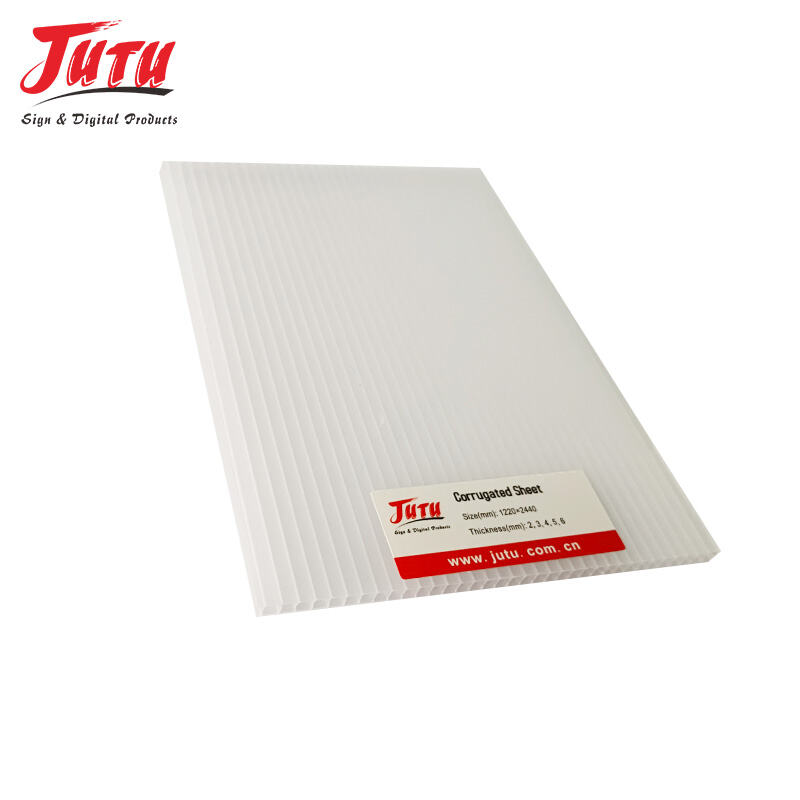
Modern construction demands innovative materials that balance structural integrity with weight efficiency, and PVC foam sheet has emerged as a revolutionary solution for lightweight partition walls. This versatile material combines exceptional durability with reduced weight, making it an ideal choice for both commercial and residential applications. The unique cellular structure of PVC foam sheet provides outstanding insulation properties while maintaining the strength required for partition wall systems.
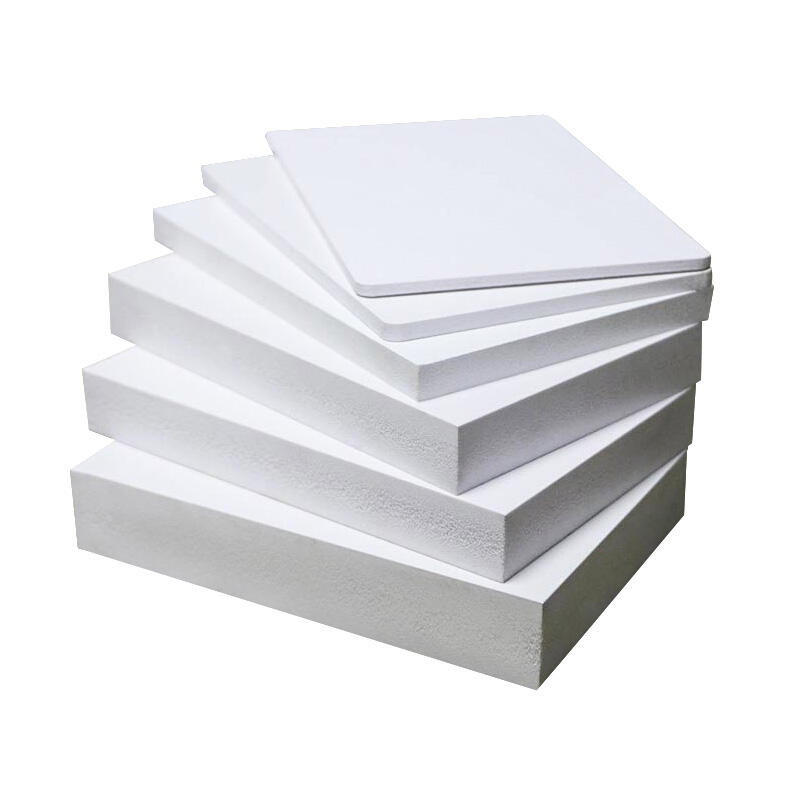
The construction industry has witnessed a significant shift toward sustainable and efficient building materials, with PVC foam sheet leading the charge in partition wall applications. Its lightweight nature reduces structural load requirements while delivering superior performance characteristics that traditional materials struggle to match. Architects and builders increasingly recognize the value of incorporating PVC foam sheet into their designs for creating functional, durable, and cost-effective partition systems.
Understanding PVC Foam Sheet Properties
Material Composition and Structure
PVC foam sheet consists of a closed-cell foam core manufactured through advanced extrusion processes that create uniform density throughout the material. This cellular structure contributes significantly to its lightweight characteristics while maintaining structural stability essential for partition wall applications. The manufacturing process involves precise control of temperature and pressure to achieve consistent cell formation, resulting in a material that offers predictable performance characteristics across various environmental conditions.
The chemical composition of PVC foam sheet includes polyvinyl chloride resin combined with foaming agents and stabilizers that enhance its durability and weather resistance. This combination creates a material that resists moisture absorption, preventing common issues associated with traditional partition materials such as warping, swelling, or degradation over time. The inherent properties of PVC foam sheet make it particularly suitable for environments where humidity control and long-term stability are critical considerations.
Physical Characteristics and Performance Metrics
The density range of PVC foam sheet typically varies between 0.45 to 0.8 grams per cubic centimeter, significantly lighter than conventional partition materials while maintaining comparable strength properties. This weight reduction translates to reduced structural load requirements and simplified installation processes for partition wall systems. The material exhibits excellent impact resistance and dimensional stability, crucial factors for maintaining partition integrity under normal usage conditions.
Thermal insulation properties of PVC foam sheet contribute to energy efficiency in building applications, with thermal conductivity values typically ranging from 0.035 to 0.045 W/mK. These characteristics help regulate temperature transfer through partition walls, contributing to overall building energy performance. The material also demonstrates excellent sound dampening properties, making it valuable for creating acoustic barriers in office environments and residential applications where noise control is important.
Advantages in Lightweight Partition Construction
Weight Reduction Benefits
The primary advantage of using PVC foam sheet in partition walls lies in its exceptional weight-to-strength ratio, which significantly reduces the overall structural load on building frameworks. This weight reduction allows for more flexible architectural designs and reduces foundation requirements, particularly beneficial in high-rise construction where every kilogram matters. The lightweight nature of PVC foam sheet enables faster installation processes and reduces labor costs associated with handling and positioning partition components.
Construction projects benefit from reduced transportation costs and simplified logistics when utilizing PVC foam sheet for partition applications. The material's light weight allows for larger quantities to be transported in single shipments, reducing delivery frequency and associated costs. Installation teams can handle larger panels with standard equipment, eliminating the need for specialized lifting machinery typically required for heavier partition materials.
Structural Performance and Durability
Despite its lightweight characteristics, PVC foam sheet maintains excellent structural performance when properly incorporated into partition wall systems. The material exhibits high compressive strength and flexural properties that support typical partition wall loading requirements without compromising safety or stability. Long-term performance studies demonstrate that PVC foam sheet maintains its structural integrity over extended periods, making it a reliable choice for permanent partition installations.
The durability of PVC foam sheet extends beyond structural performance to include resistance to environmental factors such as moisture, temperature fluctuations, and chemical exposure. This resistance ensures that partition walls constructed with PVC foam sheet maintain their appearance and functionality throughout the building's lifecycle. The material's resistance to biological growth, including mold and mildew, contributes to healthier indoor environments and reduces maintenance requirements over time.
Installation and Application Methods
Preparation and Planning Considerations
Successful implementation of PVC foam sheet in partition wall construction begins with careful planning and preparation of the installation area. Proper measurement and layout ensure optimal material utilization while minimizing waste and achieving desired aesthetic results. The lightweight nature of PVC foam sheet allows for precise cutting and shaping using standard woodworking tools, enabling custom fitting around architectural features and mechanical systems.
Site preparation for PVC foam sheet partition installation involves ensuring level surfaces and proper spacing for mechanical fasteners and adhesive systems. The material's dimensional stability simplifies installation planning as thermal expansion considerations are minimal compared to other materials. Proper preparation includes identifying utilities and structural elements that may affect partition placement to ensure compliance with building codes and safety requirements.
Fastening and Assembly Techniques
PVC foam sheet can be secured using various fastening methods including mechanical fasteners, adhesive systems, and combination approaches depending on specific application requirements. Mechanical fastening provides reliable attachment while allowing for future modifications or removal if necessary. Adhesive systems offer clean installations with minimal visible fasteners, particularly valuable in applications where aesthetic considerations are paramount.
Assembly techniques for PVC foam sheet partition systems often incorporate modular approaches that enable efficient installation and future reconfiguration capabilities. The material's compatibility with standard construction hardware and joining systems facilitates integration with existing building systems and architectural elements. Proper joint sealing and edge finishing techniques ensure professional appearance and optimal performance of completed partition installations.
Design Flexibility and Customization Options
Surface Treatment and Finishing Possibilities
PVC foam sheet provides exceptional design flexibility through various surface treatment options that accommodate diverse aesthetic preferences and functional requirements. The smooth surface accepts paint systems, vinyl wraps, and laminate applications, enabling seamless integration with existing interior design schemes. Surface texturing techniques can create wood grain, stone, or fabric appearances while maintaining the lightweight benefits of the core material.
Custom printing and graphic applications on PVC foam sheet surfaces enable unique branding opportunities and decorative elements in commercial partition installations. The material's dimensional stability ensures that surface treatments remain properly aligned and attractive throughout the partition's service life. Digital printing technologies allow for high-resolution images and complex patterns that would be difficult or impossible to achieve with traditional partition materials.
Integration with Building Systems
The versatility of PVC foam sheet enables seamless integration with various building systems including electrical, mechanical, and technological infrastructure. Routing and drilling operations can accommodate wiring pathways, mounting hardware, and utility connections without compromising structural integrity. The material's insulating properties help protect sensitive electronic components while maintaining accessibility for maintenance and upgrades.
Modular partition systems utilizing PVC foam sheet can incorporate integrated lighting, power distribution, and communication systems while maintaining the lightweight advantages of the core material. The material's compatibility with standard electrical boxes and mounting systems simplifies installation of switches, outlets, and data connections. Advanced partition designs can include hidden wiring pathways and removable panels for easy access to building systems.
Environmental Impact and Sustainability
Material Lifecycle Considerations
The environmental impact of PVC foam sheet extends throughout its lifecycle from manufacturing through disposal or recycling, with several factors contributing to its sustainability profile. Manufacturing processes for PVC foam sheet have evolved to reduce energy consumption and minimize waste generation, contributing to lower overall environmental impact compared to traditional partition materials. The material's durability extends service life, reducing replacement frequency and associated environmental costs.
End-of-life considerations for PVC foam sheet include recycling opportunities that allow material recovery and reuse in new applications. Advanced recycling technologies can process PVC foam sheet waste into raw materials for manufacturing new products, supporting circular economy principles. The lightweight nature of PVC foam sheet reduces transportation energy requirements throughout its lifecycle, contributing to lower carbon footprint compared to heavier alternatives.
Energy Efficiency Contributions
The insulating properties of PVC foam sheet contribute to building energy efficiency by reducing thermal transfer through partition walls, particularly beneficial in climate-controlled environments. This thermal performance helps maintain consistent interior temperatures while reducing heating and cooling energy requirements. The material's contribution to overall building energy efficiency can support green building certification programs and sustainability initiatives.
Acoustic properties of PVC foam sheet also contribute to energy efficiency by reducing sound transmission that might otherwise require mechanical noise control systems. The material's sound dampening characteristics create more comfortable interior environments while potentially reducing the need for additional soundproofing materials or mechanical systems. These combined benefits support comprehensive sustainability strategies in modern construction projects.
Quality Considerations and Standards
Performance Testing and Certification
Quality assurance for PVC foam sheet involves comprehensive testing protocols that verify performance characteristics and compliance with industry standards. Fire resistance testing ensures that the material meets safety requirements for interior partition applications, while structural testing verifies load-bearing capabilities and dimensional stability. Third-party certification provides independent verification of performance claims and quality consistency.
Environmental testing evaluates PVC foam sheet performance under various conditions including temperature extremes, humidity exposure, and UV radiation to ensure long-term reliability. Chemical resistance testing determines compatibility with cleaning agents and potential exposure to various substances in typical building environments. These comprehensive testing programs provide confidence in material performance and support informed specification decisions.
Selection Criteria and Specifications
Proper selection of PVC foam sheet for partition applications requires consideration of multiple factors including density, thickness, surface finish, and specific performance requirements. Density selection affects both weight and structural properties, with higher densities providing increased strength at the cost of additional weight. Thickness specifications must balance structural requirements with space efficiency and cost considerations.
Specification development for PVC foam sheet partition projects should include detailed performance requirements, installation methods, and quality standards to ensure successful project outcomes. Collaboration between architects, engineers, and material suppliers helps optimize material selection and application methods for specific project requirements. Proper specifications also facilitate competitive bidding and quality control throughout the construction process.
FAQ
What makes PVC foam sheet superior to traditional partition materials
PVC foam sheet offers several advantages over traditional partition materials including significantly reduced weight, excellent moisture resistance, and superior dimensional stability. The material's cellular structure provides thermal and acoustic insulation properties while maintaining structural integrity required for partition applications. Additionally, PVC foam sheet resists biological growth and requires minimal maintenance compared to wood-based or gypsum materials, making it a more durable and cost-effective long-term solution.
How does the weight reduction of PVC foam sheet affect building design
The lightweight nature of PVC foam sheet enables more flexible architectural designs by reducing structural load requirements on building frameworks and foundations. This weight reduction allows for larger partition spans, taller installations, and more creative designs without compromising structural safety. The reduced weight also simplifies installation processes, reduces labor costs, and enables faster construction schedules while maintaining or improving partition performance characteristics.
Can PVC foam sheet partitions be easily modified or relocated
PVC foam sheet partitions offer excellent flexibility for modification and relocation due to the material's workability and compatibility with removable fastening systems. The lightweight nature facilitates easy handling during reconfiguration projects, while the material's resistance to damage during handling helps maintain appearance and performance. Modular design approaches using PVC foam sheet enable systematic reconfiguration without significant waste or damage to existing components.
What maintenance requirements are associated with PVC foam sheet partitions
PVC foam sheet partitions require minimal maintenance compared to traditional materials, with routine cleaning using standard commercial cleaning products sufficient to maintain appearance and hygiene. The material's resistance to moisture, staining, and biological growth eliminates many common maintenance issues associated with other partition materials. Periodic inspection of fasteners and joints ensures continued structural integrity, but the inherent durability of PVC foam sheet minimizes repair and replacement requirements throughout the partition's service life.