 EN
EN

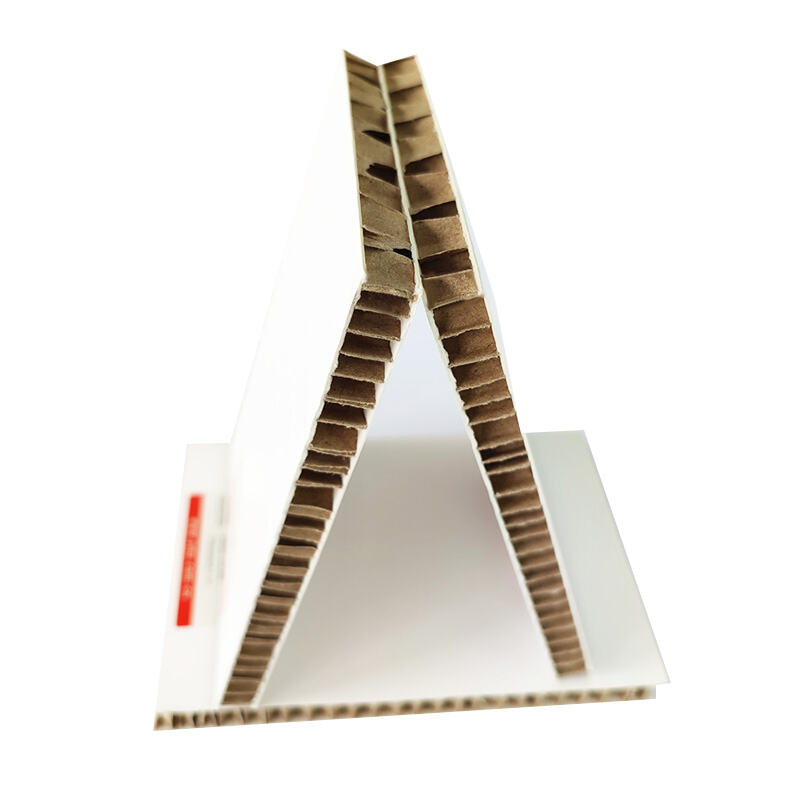
The construction industry has entered a new era of material innovation, and PVC foam board stands at the center of this transformation. As architects, contractors, and engineers search for materials that combine reduced weight with structural reliability, PVC foam board has emerged as a leading solution. Its unique cellular composition delivers performance characteristics that traditional materials simply cannot match in modern lightweight construction environments.
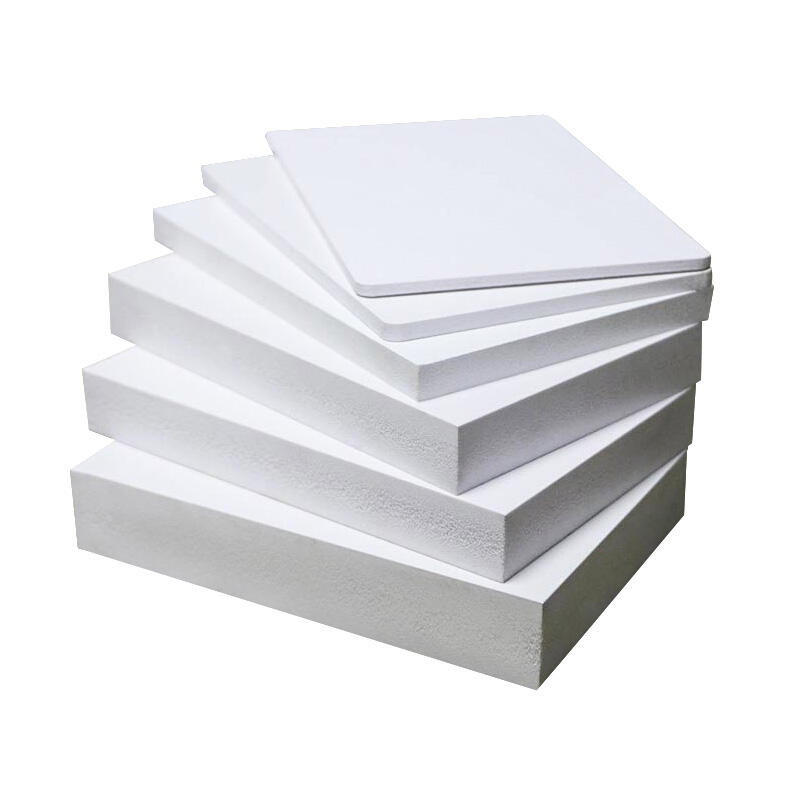
Today, PVC foam board is not simply a commodity product. Continuous innovation in its manufacturing process, surface treatment, and density engineering has expanded what PVC foam board can do across a broad range of construction applications. From interior wall cladding to exterior facade systems, from modular partition walls to prefabricated structural panels, PVC foam board is redefining how builders approach lightweight design. Understanding these innovations helps procurement professionals and project managers make better material decisions.
Material Advances Driving PVC Foam Board Performance
Density Engineering and Structural Optimization
One of the most significant recent advances in PVC foam board technology is precision density engineering. Manufacturers now produce PVC foam board across a carefully calibrated density spectrum, typically ranging from 0.35 g/cm³ to 0.65 g/cm³, allowing project teams to select the exact balance of weight and rigidity they need. Lower-density PVC foam board offers maximum weight reduction for ceiling panels and decorative elements, while higher-density PVC foam board provides the compressive strength required for load-bearing partition applications. This graduated approach means a single material category can serve multiple structural roles within the same building project.
The closed-cell foam structure within PVC foam board is central to its performance. Unlike open-cell alternatives, the closed-cell matrix prevents water absorption, making PVC foam board inherently moisture-resistant. This characteristic is particularly valuable in humid construction environments, coastal building projects, and wet-area interior applications where traditional wood or gypsum-based panels would degrade over time.
Surface Treatment and Finishing Innovations
Modern PVC foam board now arrives with co-extruded surface layers that dramatically improve paintability, printability, and lamination adhesion. These co-extruded skins allow PVC foam board to accept digital printing for signage, accept direct painting without priming, and bond cleanly with decorative laminates or veneers. For interior design applications, this makes PVC foam board an exceptionally versatile substrate. For commercial signage and retail environments, the printable surface of PVC foam board reduces finishing steps and shortens project timelines significantly.
Construction Applications Where PVC Foam Board Excels
Partition Systems and Interior Cladding
PVC foam board has become a preferred material for non-load-bearing interior partition systems in commercial and residential construction. Its lightweight nature reduces the dead load on structural elements, which is especially important in renovation projects where the original structure has limited excess load capacity. Installing PVC foam board partitions is faster than erecting traditional drywall systems because the boards are easy to cut, require minimal specialized tools, and can be directly adhered or mechanically fastened. The result is reduced labor costs and shorter installation schedules on projects where time is a critical variable.
Interior wall cladding using PVC foam board offers additional practical benefits. PVC foam board is thermally insulating, which contributes to a building's overall energy efficiency when used as a surface layer over exterior-facing walls. Its smooth, consistent surface minimizes the need for skim coating or extensive surface preparation before painting, delivering a finished appearance more efficiently than many competing panel systems. Contractors working with PVC foam board in high-volume residential projects consistently report measurable time savings on the finishing phase.
Modular and Prefabricated Construction Uses
The modular construction sector has adopted PVC foam board extensively because it aligns perfectly with off-site fabrication requirements. Panels manufactured from PVC foam board can be cut to precise dimensions in a controlled factory environment, then transported to site for rapid assembly. The dimensional stability of PVC foam board minimizes warping during storage and transport, ensuring that prefabricated elements arrive on site ready to install without costly rework. As modular building methods continue to gain traction globally, PVC foam board is positioned as a core enabling material for this construction approach.
PVC foam board also performs well in temporary construction applications, including formwork, site hoarding, and protective barriers. Its resistance to moisture and chemical exposure means PVC foam board can be reused across multiple project cycles, reducing material waste and lowering the overall cost per use. This reusability factor makes PVC foam board an economically attractive choice for project managers focused on both budget control and sustainable material practices.
Sustainability and Lifecycle Value of PVC Foam Board
Recyclability and Environmental Considerations
Sustainability is now a central criterion in construction material selection, and PVC foam board has made notable progress in this area. Modern PVC foam board formulations increasingly incorporate recycled PVC content without compromising mechanical performance. At the end of a building's service life, PVC foam board can be reclaimed and recycled through established PVC recovery streams. This circular material pathway supports green building certification frameworks and helps project teams meet increasingly stringent environmental benchmarks. For contractors and developers pursuing sustainability credentials, specifying PVC foam board with verified recycled content and recyclability documentation strengthens their environmental reporting.
Long-Term Durability and Cost Efficiency
The durability of PVC foam board contributes directly to its lifecycle value. Unlike wood-based panels, PVC foam board does not rot, corrode, or become infested by insects. Its resistance to UV degradation has improved significantly with modern stabilizer packages, allowing PVC foam board to maintain surface integrity in both interior and semi-exposed exterior applications for many years. This longevity reduces maintenance frequency and replacement costs over the life of a building, making PVC foam board a cost-efficient choice when evaluated on a total cost of ownership basis rather than purely on upfront material price.
When construction teams evaluate PVC foam board against alternative panel materials, the combination of low weight, fast installation, moisture resistance, and long service life consistently positions PVC foam board as a high-value option. Project managers who prioritize both schedule performance and long-term building quality are increasingly specifying PVC foam board as a standard component in their material selection toolkit.
FAQ
What thicknesses are commonly available for PVC foam board in construction?
PVC foam board is typically available in thicknesses ranging from 1 mm to 30 mm, with the most common construction grades falling between 5 mm and 20 mm. Thinner PVC foam board sheets are used for cladding and signage, while thicker panels serve partition and structural infill applications.
Can PVC foam board be used in outdoor construction applications?
Yes, PVC foam board formulated with UV stabilizers and weather-resistant additives is suitable for semi-exposed outdoor applications including facade cladding, soffits, and canopy linings. Full direct sun exposure over extended periods may still cause minor surface color shift, so specifying UV-stabilized PVC foam board grades is recommended for outdoor use.
How does PVC foam board compare to traditional wood panels in construction weight?
PVC foam board is significantly lighter than equivalent wood panels. A standard 18 mm PVC foam board panel weighs roughly 40 to 50 percent less than a comparable MDF or plywood panel of the same dimensions. This weight advantage reduces structural load, simplifies handling, and accelerates installation, making PVC foam board a practical upgrade over wood-based alternatives in lightweight construction projects.