 EN
EN

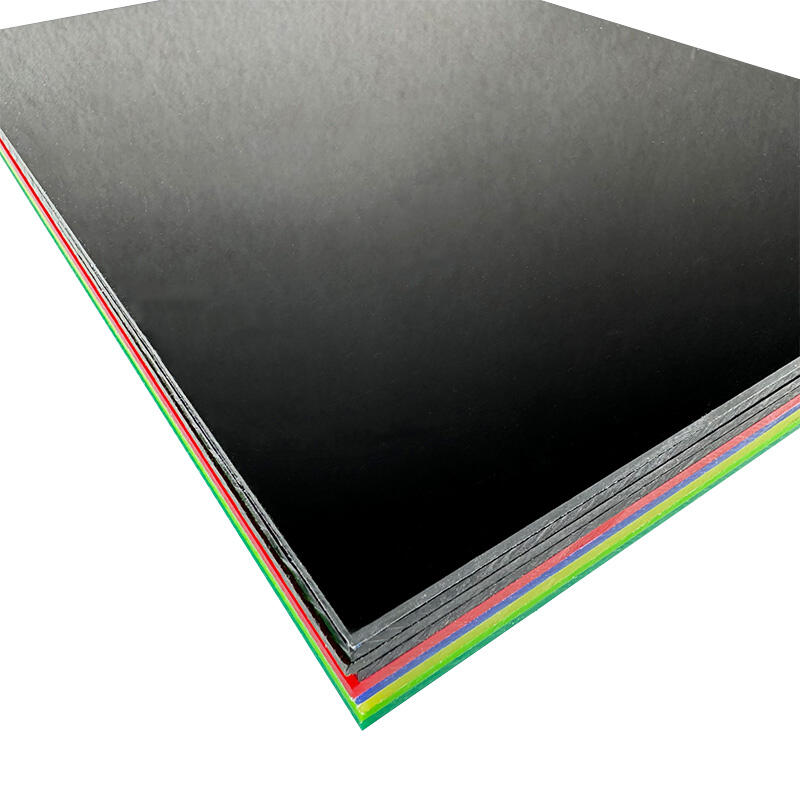
Installing PVC foam board seems straightforward at first glance, but even experienced contractors run into problems that compromise the final result. Whether you are working on interior cladding, signage substrates, cabinetry, or exterior facade panels, small oversights during installation can lead to warping, delamination, or structural weakness. Understanding these pitfalls before you begin is the most reliable way to protect your investment and achieve a professional finish.
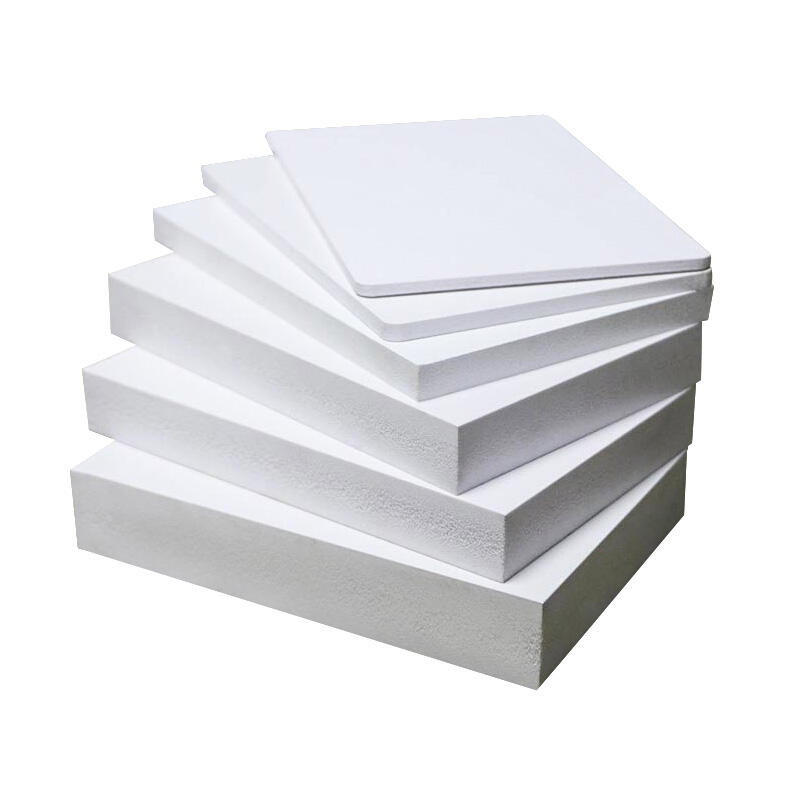
PVC foam board is valued across construction and fabrication industries for its lightweight nature, moisture resistance, and excellent machinability. However, these very properties also mean that PVC foam board responds differently to heat, adhesives, and mechanical stress compared to traditional materials like wood or MDF. The mistakes outlined in this article are among the most frequently reported by installers, and each one is entirely preventable with the right knowledge and preparation.
Surface Preparation Errors That Damage Results
Skipping Proper Surface Cleaning
One of the most damaging mistakes when working with PVC foam board is failing to clean and prepare the mounting surface adequately before installation. Dust, grease, moisture, and residue from previous materials all interfere with adhesive bonding and mechanical fastening. When PVC foam board is applied to a dirty or damp surface, the bond degrades over time and the panel may begin to separate, buckle, or shift. Before installing any PVC foam board, the substrate must be clean, dry, and structurally sound.
Installers sometimes assume that because PVC foam board is moisture-resistant, the underlying surface condition does not matter as much. This is a critical misconception. The board itself may resist water, but the adhesive or fasteners connecting it to the wall or frame do not benefit from a contaminated substrate. Proper surface preparation is always the first step, and skipping it is one of the fastest ways to compromise an otherwise well-planned PVC foam board installation.
Ignoring Substrate Compatibility
Not every substrate is compatible with PVC foam board without additional preparation. Porous surfaces like raw concrete or unsealed masonry may require a primer before adhesive application. Smooth non-porous surfaces may need light sanding to improve adhesion. When PVC foam board is bonded to an incompatible or untreated substrate, the panel can detach under load or temperature fluctuation. Always verify that the substrate is appropriate and apply any necessary bonding primer before the PVC foam board goes up.
Cutting and Fastening Mistakes During Installation
Using the Wrong Cutting Tools or Technique
PVC foam board requires specific cutting methods to achieve clean edges without cracking or chipping. A common mistake is using dull blades or tools designed for wood or metal, which can tear the cell structure of the board rather than cutting cleanly through it. This leaves rough edges that are difficult to finish and may compromise the mechanical integrity of the panel. For straight cuts on PVC foam board, a sharp utility knife scored multiple times or a fine-tooth circular saw blade works best. Routers and CNC machines are ideal for complex shapes.
Another frequent error is cutting PVC foam board too quickly, causing heat buildup that melts or deforms the cut edge. Always use slow, steady passes and allow the material to cool if performing repeated cuts in the same area. Deformed edges make it harder to achieve tight joints and flat panel alignment, which is especially critical in visible applications like signage or interior wall cladding.
Incorrect Fastener Placement and Spacing
Mechanical fastening of PVC foam board requires careful attention to fastener type, placement, and spacing. Using fasteners that are too short or too widely spaced will not provide sufficient holding strength, particularly in vertical installations or outdoor environments where wind load is a factor. Conversely, over-tightening screws can compress and crush the foam core of PVC foam board, creating stress points that may crack under load or thermal expansion. Pre-drilling pilot holes before driving fasteners into PVC foam board is strongly recommended to prevent splitting near edges.
Edge distances also matter. Placing fasteners too close to the edge of a PVC foam board panel increases the risk of edge breakout when the board expands or contracts with temperature changes. A minimum edge distance of at least 10 to 15 millimeters is typically recommended, and fastener spacing should be consistent to distribute load evenly across the entire PVC foam board panel.
Thermal Expansion and Adhesive Selection Mistakes
Not Accounting for Thermal Movement
PVC foam board expands and contracts with temperature changes more than metal or wood-based panels. This is one of the most overlooked factors in PVC foam board installation, particularly for outdoor applications or large interior spaces with significant temperature variation. When panels are installed without adequate expansion gaps, they buckle, bow, or crack as the material tries to move but cannot. The correct approach is to always leave an expansion gap between adjacent panels of PVC foam board, typically between two and five millimeters depending on panel size and expected temperature range.
For long runs of PVC foam board, the cumulative expansion effect becomes more pronounced. Installers who do not plan for thermal movement risk damaging both the boards and the substrate, leading to costly repairs. Consulting the manufacturer's data sheet for the specific grade of PVC foam board being used will provide precise guidance on expansion coefficients and recommended gap sizing.
Choosing the Wrong Adhesive System
Not all adhesives are suitable for bonding PVC foam board. Solvent-based adhesives can chemically attack the foam core of PVC foam board, causing it to dissolve or weaken over time. Polyurethane-based adhesives and specially formulated PVC contact adhesives are generally the most compatible options. When the wrong adhesive is used with PVC foam board, the bond appears strong initially but fails prematurely, especially under heat or moisture exposure. Always verify that the adhesive is rated for use with PVC foam board before application, and follow the manufacturer's open time and curing requirements carefully.
FAQ
Can PVC foam board be installed outdoors without special treatment?
PVC foam board is inherently weather-resistant and suitable for many outdoor applications. However, for prolonged UV exposure, it is advisable to use a UV-stabilized grade of PVC foam board or apply an appropriate exterior paint or coating to the exposed surface. Without UV protection, the surface of PVC foam board may discolor or become brittle over time in direct sunlight.
How should expansion gaps be sized for large PVC foam board panels?
For standard indoor use, a gap of two to three millimeters between PVC foam board panels is usually sufficient. For outdoor installations or environments with large temperature swings, gaps of four to five millimeters or more may be needed. Always refer to the technical data sheet for the specific PVC foam board grade and calculate expansion based on the expected temperature range and panel length.
What is the best way to join two PVC foam board panels edge to edge?
The most reliable edge-to-edge joint for PVC foam board involves routing a clean straight edge on both panels, applying a compatible PVC adhesive, and then clamping or taping the joint until fully cured. For structural applications, additional mechanical fasteners or a backing strip of PVC foam board can reinforce the joint. Avoid using wood glue or general-purpose contact cement, as these are rarely compatible with PVC foam board and produce weak, short-lived bonds.