 EN
EN

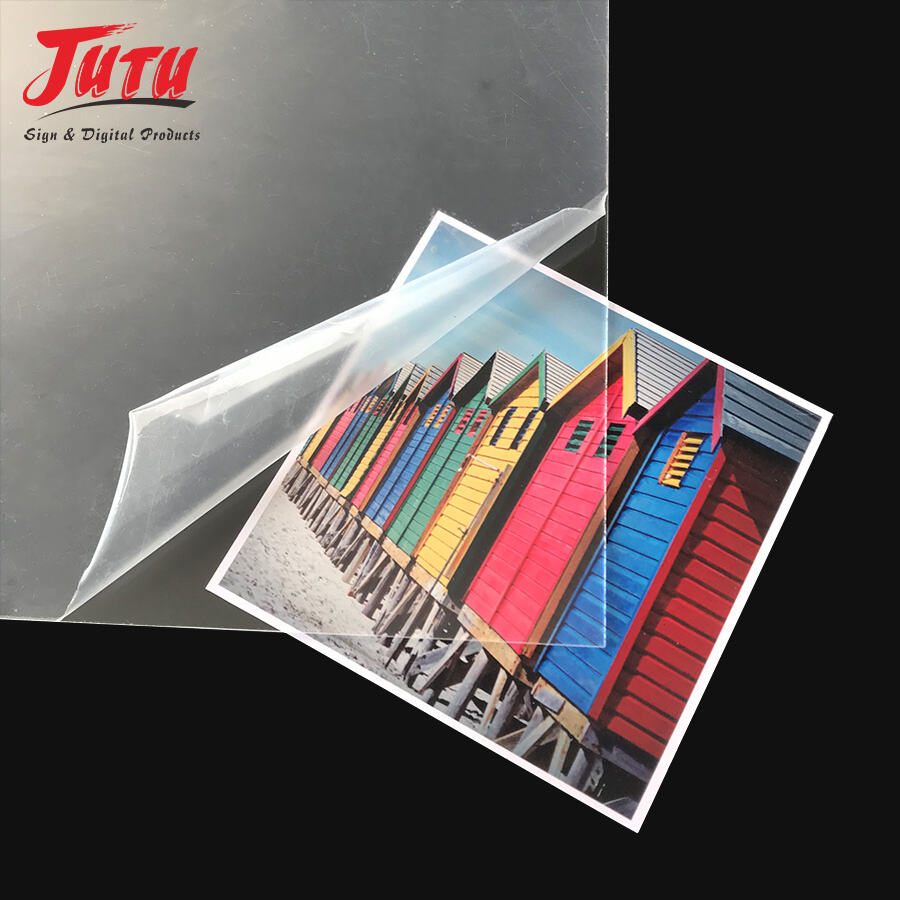
In the world of rigid plastic materials, selecting the right sheet product for industrial applications requires a detailed understanding of material properties, performance characteristics, and application suitability. Two materials frequently evaluated for signage, fabrication, interior design, and manufacturing applications are PVC Foam Sheet and ABS sheet. While both offer distinct advantages, their differences in structure, mechanical behavior, environmental resistance, and processing requirements make them suitable for different use cases. This technical comparison explores the fundamental distinctions between these two materials to help engineers, fabricators, and procurement professionals make informed decisions based on project-specific requirements.
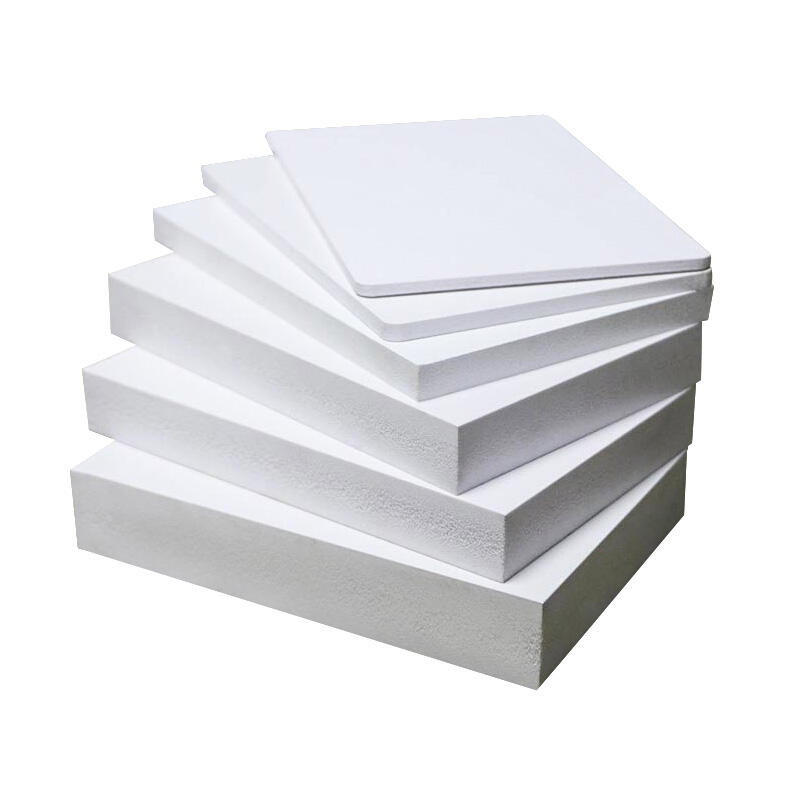
Understanding the material science behind PVC Foam Sheet and ABS sheet reveals why these materials perform differently under similar conditions. PVC Foam Sheet is a closed-cell expanded thermoplastic material characterized by a uniform cellular structure that reduces weight while maintaining structural rigidity. In contrast, ABS sheet is a solid thermoplastic polymer composed of acrylonitrile, butadiene, and styrene monomers, offering high impact resistance and excellent surface finish. The choice between these materials depends on factors such as load-bearing requirements, environmental exposure, fabrication methods, and cost considerations. This comparison examines each material across critical performance dimensions to clarify when one material outperforms the other and why specific applications favor one over the other.
Material Composition and Structural Characteristics
Chemical Structure and Manufacturing Process
PVC Foam Sheet is manufactured through a chemical foaming process that introduces gas into polyvinyl chloride resin during extrusion, creating a lightweight cellular core sandwiched between solid skin layers. This closed-cell structure gives PVC Foam Sheet its characteristic low density, typically ranging from 0.4 to 0.8 grams per cubic centimeter, depending on the expansion ratio. The foam core provides excellent rigidity-to-weight ratios, making it ideal for applications where weight reduction is critical without sacrificing dimensional stability. The outer skin layers offer a smooth, printable surface suitable for direct printing, lamination, and various finishing techniques.
ABS sheet, by contrast, is produced through continuous extrusion or calendering of a solid thermoplastic blend. The material combines the hardness and rigidity of acrylonitrile and styrene with the toughness and impact resistance of polybutadiene rubber. This solid structure results in a higher density, typically between 1.0 and 1.1 grams per cubic centimeter, which contributes to greater impact strength but also increased weight. The homogeneous structure of ABS sheet provides consistent mechanical properties throughout the material thickness, making it suitable for applications requiring uniform strength and durability under mechanical stress.
Physical Properties and Density Considerations
The density difference between PVC Foam Sheet and ABS sheet fundamentally affects their application suitability. PVC Foam Sheet delivers significant weight savings in large-format applications such as exhibition displays, architectural panels, and transportation signage. The lightweight nature of PVC Foam Sheet simplifies handling, reduces shipping costs, and eases installation, particularly in overhead mounting scenarios. The foam core also provides thermal insulation properties that can be advantageous in temperature-sensitive environments, though the material's thermal performance remains limited compared to dedicated insulation materials.
ABS sheet offers superior dimensional stability and flatness retention due to its solid structure and higher density. This material maintains tighter tolerances during fabrication and exhibits less thermal expansion compared to PVC Foam Sheet. For precision applications requiring exact dimensions and minimal warpage, ABS sheet provides more predictable performance. The solid structure also enables thinner wall sections in thermoformed parts while maintaining adequate strength, which can offset some of the weight disadvantage in three-dimensional fabricated components.
Mechanical Performance and Structural Behavior
Flexural Strength and Load-Bearing Capacity
When comparing flexural strength, PVC Foam Sheet demonstrates adequate rigidity for non-structural applications, with flexural modulus values typically ranging from 700 to 1400 MPa depending on density and formulation. The foam core provides resistance to bending through its cellular architecture, but the material performs best in applications where loads are distributed rather than concentrated. PVC Foam Sheet excels in large flat panel applications such as wall cladding, exhibition graphics, and decorative elements where self-supporting rigidity matters more than high load-bearing capacity.
ABS sheet provides superior flexural strength with modulus values typically exceeding 2000 MPa, making it suitable for applications requiring higher mechanical loads. The solid polymer structure distributes stress more uniformly, reducing the risk of localized failure under concentrated loads. This characteristic makes ABS sheet preferable for functional components, protective housings, and applications where the material must withstand repeated flexing or mechanical stress. However, the increased strength comes with greater weight, which must be factored into application design considerations.
Impact Resistance and Toughness
Impact resistance represents a critical differentiator between these materials. ABS sheet exhibits exceptional impact strength, particularly at ambient and lower temperatures, due to the elastomeric polybutadiene phase in its molecular structure. This makes ABS sheet highly suitable for protective equipment, transportation components, and applications where accidental impact or rough handling is expected. The material can absorb significant energy before fracturing, reducing the likelihood of catastrophic failure under sudden loads.
PVC Foam Sheet demonstrates moderate impact resistance that varies significantly with temperature and material density. While the foam structure can absorb some impact energy through compression of the cellular core, concentrated impacts can cause permanent deformation or crushing of the foam cells. The material performs adequately in controlled environments but may not be suitable for applications involving frequent physical contact or potential collision scenarios. Temperature also affects impact behavior, with PVC Foam Sheet becoming more brittle in cold conditions, which limits outdoor applications in regions with extreme winter temperatures.
Environmental Resistance and Durability Factors
Moisture and Chemical Resistance
PVC Foam Sheet offers excellent resistance to moisture absorption due to its closed-cell structure and the inherently low water absorption characteristics of PVC polymer. This material can be used in humid environments, bathrooms, and even semi-exterior applications with proper surface treatment. The closed-cell foam core prevents water penetration, maintaining dimensional stability and preventing the degradation issues associated with moisture infiltration. Chemical resistance is generally good for mild acids, alkalis, and many common solvents, though the material may be affected by ketones and certain aromatic hydrocarbons.
ABS sheet also demonstrates good moisture resistance, though it absorbs slightly more water than PVC materials over extended immersion periods. The material maintains its mechanical properties in humid conditions and can be used in wet environments without significant degradation. Chemical resistance is moderate, with good performance against weak acids and bases but vulnerability to strong oxidizing agents and certain organic solvents. For applications involving regular cleaning with harsh chemicals, material compatibility testing is recommended to ensure long-term performance.
UV Stability and Outdoor Performance
Outdoor durability presents distinct challenges for both materials. Standard PVC Foam Sheet formulations without UV stabilizers experience color fading, chalking, and gradual embrittlement when exposed to prolonged sunlight. However, UV-stabilized grades of PVC Foam Sheet are available that incorporate additives to improve outdoor performance, extending usable lifespan in exterior applications to several years depending on exposure intensity. These stabilized formulations are recommended for signage, architectural trim, and temporary outdoor displays where short-to-medium-term exterior exposure is anticipated.
ABS sheet exhibits limited UV resistance in its standard formulation, with surface degradation occurring relatively quickly under direct sunlight exposure. The material yellows, loses surface gloss, and experiences reduction in mechanical properties when used outdoors without protective coatings or UV-stabilized formulations. UV-stabilized ABS grades are available but typically command premium pricing. For long-term outdoor applications, ABS sheet generally requires surface finishing such as painting or coating to protect against UV degradation and maintain appearance over time.
Processing and Fabrication Considerations
Cutting, Machining, and Routing
Fabrication characteristics significantly influence material selection for custom applications. PVC Foam Sheet machines easily with standard woodworking and metal-cutting tools, producing clean edges with minimal tool wear. The material can be cut using saws, routers, lasers, and CNC equipment, with the foam core providing chip-free cutting in most operations. Edge finishing is straightforward, with sanding, heat polishing, and edge banding techniques all viable for achieving professional results. The cellular structure does produce dust during cutting operations, requiring appropriate dust collection systems to maintain clean working environments.
ABS sheet requires sharper cutting tools and generates more heat during machining due to its solid thermoplastic structure. The material machines well with proper tool selection and cutting speeds, producing smooth edges and accurate dimensions. Chip control is important during milling and drilling operations, as the material produces continuous chips rather than dust. Tool wear is moderate, falling between softer plastics and harder engineering thermoplastics. For high-volume production, carbide-tipped or coated tools are recommended to maintain dimensional consistency across production runs.
Thermoforming and Heat Bending Capabilities
Thermoforming behavior represents another critical distinction. ABS sheet is widely recognized as one of the premier thermoforming materials, offering excellent formability, sharp detail reproduction, and uniform wall thickness distribution in vacuum-formed and pressure-formed parts. The material softens predictably within a controlled temperature range and maintains strength during forming operations, enabling complex three-dimensional shapes with tight radii and fine surface detail. This makes ABS sheet the preferred choice for packaging inserts, equipment housings, automotive components, and consumer product enclosures.
PVC Foam Sheet presents challenges in thermoforming due to its foam core structure. While the material can be heat-bent along straight lines to create angles and simple folds, complex three-dimensional forming typically results in foam compression, uneven wall thickness, and surface distortion. The cellular structure collapses under forming pressure, limiting the achievable complexity and reducing structural integrity in heavily formed areas. For applications requiring complex curved surfaces or deep draws, solid PVC sheet or alternative materials like ABS offer superior forming performance and finished part quality.
Application Suitability and Selection Criteria
Optimal Use Cases for PVC Foam Sheet
PVC Foam Sheet achieves optimal performance in applications where lightweight rigidity, flat panel construction, and printability are primary requirements. The material dominates in signage applications, including retail displays, trade show graphics, point-of-purchase displays, and temporary exterior signs with appropriate UV protection. The smooth surface accepts digital printing, screen printing, vinyl application, and direct lamination, making it versatile for graphic applications. Interior architectural uses include wall cladding, partition systems, decorative panels, and furniture components where weight reduction and ease of installation provide significant advantages.
The material also finds application in model-making, prototype development, and theatrical set construction where rapid fabrication, easy modification, and lightweight handling simplify production workflows. Educational institutions and maker spaces favor PVC Foam Sheet for student projects and experimental designs due to its forgiving machining characteristics and availability in various thicknesses. Cost-effectiveness combined with adequate performance makes PVC Foam Sheet an economical choice for short-to-medium-term applications where premium material properties are not essential.
Optimal Use Cases for ABS Sheet
ABS sheet serves applications demanding superior impact resistance, thermoformability, and long-term mechanical durability. The material is extensively used in transportation applications including automotive interior trim, recreational vehicle components, luggage, and protective equipment where toughness and reliability are paramount. Medical device housings, laboratory equipment enclosures, and safety equipment leverage ABS sheet's impact resistance and ease of sterilization for critical applications requiring consistent performance under demanding conditions.
Consumer products, electronic enclosures, and durable goods manufacturing rely on ABS sheet for its excellent surface finish, ability to accept various decorating techniques, and long-term appearance retention. The material can be painted, plated, or textured to achieve premium aesthetics while maintaining structural integrity. Industrial applications include machine guards, equipment housings, and functional components where mechanical reliability outweighs weight considerations. For applications requiring certification to specific flammability standards or material specifications, ABS sheet formulations are available meeting UL94, automotive, and other industry-specific requirements.
Cost Considerations and Economic Factors
Material cost comparison must account for both purchase price and total installed cost. PVC Foam Sheet typically offers lower material cost per square meter compared to ABS sheet of equivalent thickness, though actual pricing varies with market conditions, volume, and specific formulations. The weight advantage of PVC Foam Sheet translates to reduced shipping costs for large projects, which can significantly impact total project economics for high-volume or distant shipments. Installation labor costs may also be lower due to easier handling and simpler mounting requirements.
ABS sheet commands higher material pricing but may deliver better long-term value in applications requiring durability, impact resistance, or complex fabrication. The material's superior thermoformability reduces manufacturing costs in high-volume production where tooling investments are amortized across large production runs. Reduced scrap rates, longer part lifespan, and lower warranty costs can offset initial material premiums in applications where failure consequences are significant. Life-cycle cost analysis should consider maintenance requirements, replacement frequency, and performance reliability when evaluating total economic impact beyond initial material purchase price.
FAQ
What is the primary structural difference between PVC Foam Sheet and ABS sheet?
PVC Foam Sheet features a closed-cell foam core with solid skin layers, creating a lightweight cellular structure with densities between 0.4 and 0.8 grams per cubic centimeter. ABS sheet is a solid homogeneous thermoplastic with density around 1.0 to 1.1 grams per cubic centimeter, providing higher mechanical strength but greater weight. This structural difference fundamentally affects weight, rigidity, impact resistance, and processing characteristics.
Can PVC Foam Sheet match the impact resistance of ABS sheet in protective applications?
PVC Foam Sheet cannot match the impact resistance of ABS sheet in applications requiring high toughness. ABS sheet contains elastomeric polybutadiene that provides exceptional energy absorption and prevents brittle failure under impact. PVC Foam Sheet offers moderate impact resistance but may experience permanent deformation or crushing of the foam core under concentrated impacts, making it unsuitable for protective equipment or high-impact environments where ABS sheet would be the appropriate material choice.
Which material performs better for outdoor signage applications?
For outdoor signage applications, UV-stabilized PVC Foam Sheet generally offers better performance due to superior moisture resistance, lighter weight for easier installation, and availability of formulations specifically designed for exterior exposure. Standard ABS sheet degrades rapidly under UV exposure and requires protective coatings or specialized UV-stabilized formulations. However, for outdoor applications requiring high impact resistance or three-dimensional forming, UV-stabilized ABS with appropriate surface finishing may be preferable despite higher cost and weight.
Why does ABS sheet cost more than PVC Foam Sheet for similar thickness?
ABS sheet costs more due to its solid structure requiring more raw material per unit area, more complex polymerization process combining three monomers, and superior mechanical properties commanding premium pricing. PVC Foam Sheet uses less material through its cellular structure and simpler manufacturing process involving chemical foaming of PVC resin. The cost difference reflects both material quantity and performance characteristics, with ABS sheet delivering higher strength, impact resistance, and thermoformability that justify premium pricing for demanding applications.
Table of Contents
- Material Composition and Structural Characteristics
- Mechanical Performance and Structural Behavior
- Environmental Resistance and Durability Factors
- Processing and Fabrication Considerations
- Application Suitability and Selection Criteria
-
FAQ
- What is the primary structural difference between PVC Foam Sheet and ABS sheet?
- Can PVC Foam Sheet match the impact resistance of ABS sheet in protective applications?
- Which material performs better for outdoor signage applications?
- Why does ABS sheet cost more than PVC Foam Sheet for similar thickness?