 EN
EN

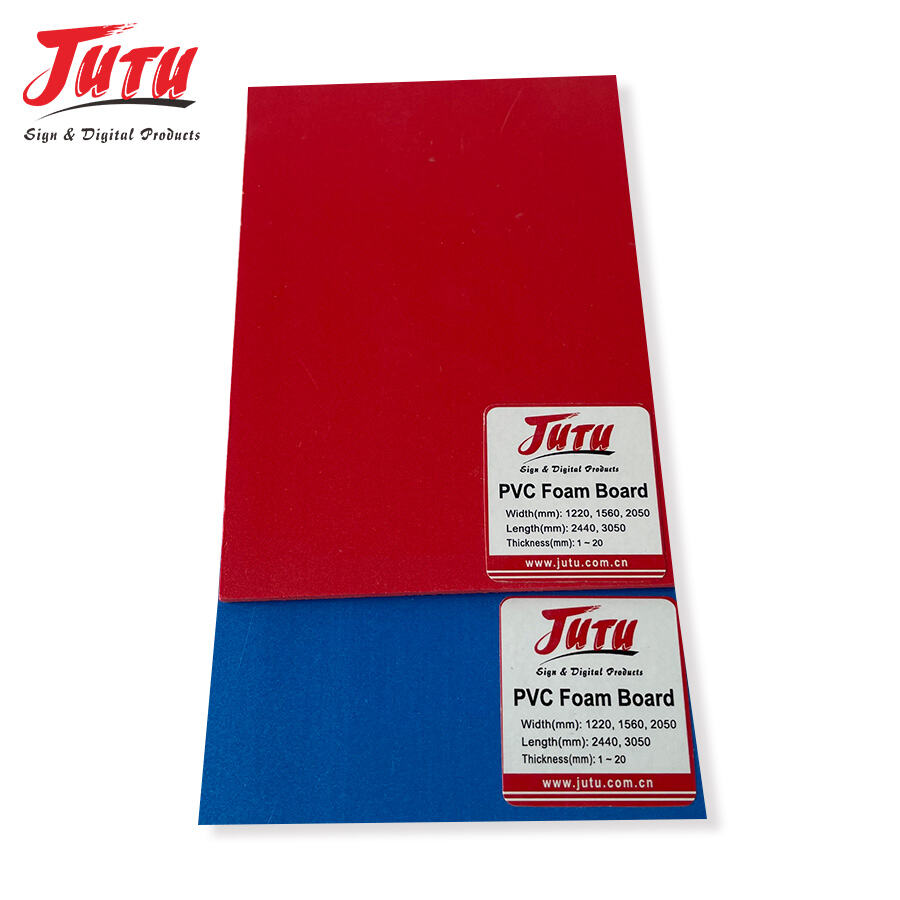
Selecting the right PVC foam board for your project requires careful evaluation of multiple performance metrics that directly impact both functionality and long-term value. Understanding these critical factors ensures optimal material selection for applications ranging from construction and signage to marine environments and industrial fabrication. The comprehensive assessment of PVC foam board characteristics enables engineers, architects, and project managers to make informed decisions that align with specific project requirements while maintaining cost-effectiveness and performance standards.
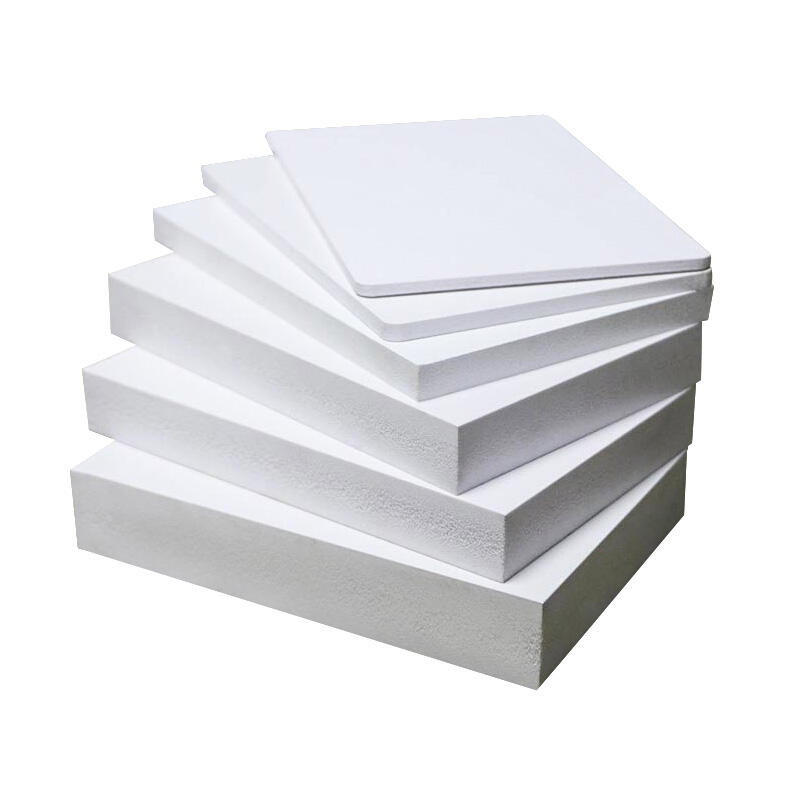
Structural Integrity and Load-Bearing Capacity
Compressive Strength Specifications
The compressive strength of PVC foam board determines its ability to withstand vertical loads without deformation or failure. This metric is particularly crucial for structural applications where the material must support significant weight over extended periods. High-quality PVC foam board typically exhibits compressive strengths ranging from 0.4 to 1.2 MPa, depending on density and manufacturing processes. Engineers must evaluate these values against specific load requirements to ensure adequate safety margins in their designs.
Testing protocols for compressive strength follow standardized procedures that simulate real-world loading conditions. The relationship between density and compressive strength in PVC foam board follows predictable patterns, allowing for accurate performance predictions across different applications. Understanding these correlations helps professionals select materials that provide optimal strength-to-weight ratios for their specific requirements.
Flexural Properties and Bending Resistance
Flexural strength measures the material's resistance to bending forces, which is essential for applications involving spanning distances or exposure to wind loads. Premium PVC foam board demonstrates excellent flexural properties, typically ranging from 1.0 to 3.5 MPa depending on thickness and composition. These characteristics make the material suitable for architectural panels, boat hulls, and other applications requiring both rigidity and flexibility.
The modulus of elasticity provides additional insight into how PVC foam board responds to bending stresses. Materials with higher elastic moduli maintain their shape better under load, while those with lower values offer greater flexibility. Balancing these properties requires careful consideration of the intended application and expected stress patterns throughout the product's service life.
Thermal Performance and Environmental Resistance
Temperature Stability Characteristics
Temperature resistance represents a critical performance metric for PVC foam board applications in varying climatic conditions. The material typically maintains structural integrity across temperatures ranging from -40°C to 70°C, making it suitable for both indoor and outdoor applications. Thermal expansion coefficients must be considered during installation to prevent buckling or gap formation as temperatures fluctuate seasonally.
Heat deflection temperature testing reveals how PVC foam board responds to elevated temperatures under load. This information is particularly valuable for applications involving exposure to direct sunlight or heat sources. Understanding thermal performance characteristics helps prevent premature failure and ensures long-term reliability in demanding environments.
UV Degradation Resistance
Ultraviolet radiation exposure can significantly impact the longevity and appearance of PVC foam board in outdoor applications. High-quality materials incorporate UV stabilizers and additives that protect against photodegradation, maintaining both structural properties and color stability over extended periods. Testing standards evaluate these protective measures through accelerated weathering protocols that simulate years of exposure in controlled laboratory conditions.
The selection of appropriate UV protection levels depends on geographic location, orientation, and expected service life. Materials intended for tropical or high-altitude environments require enhanced protection compared to those used in temperate climates or shaded applications. Understanding these requirements ensures optimal performance throughout the intended service life of PVC foam board installations.
Chemical Compatibility and Durability Factors
Chemical Resistance Properties
Chemical resistance capabilities determine the suitability of PVC foam board for applications involving exposure to various substances. The material demonstrates excellent resistance to acids, alkalis, and most organic solvents, making it ideal for industrial environments and marine applications. Compatibility charts provide specific guidance for common chemicals, enabling informed material selection for specialized applications.
Long-term exposure studies reveal how PVC foam board performs when subjected to continuous chemical contact. These findings help establish safe operating parameters and maintenance requirements for installations in chemical processing facilities, laboratories, and other environments where chemical exposure is inevitable. Understanding these limitations prevents premature failure and ensures worker safety.
Moisture Absorption and Water Resistance
Water absorption rates significantly impact the dimensional stability and performance of PVC foam board in humid or wet environments. Quality materials exhibit extremely low water absorption, typically less than 0.1% by volume, which prevents swelling, warping, and degradation over time. This characteristic makes PVC foam board particularly suitable for marine applications, bathroom installations, and other moisture-rich environments.
Freeze-thaw cycling tests evaluate how absorbed moisture affects material integrity under temperature variations. PVC foam board's closed-cell structure provides excellent protection against moisture penetration, maintaining performance even in challenging weather conditions. These properties contribute to the material's reputation for reliability in outdoor and marine applications where traditional materials might fail.
Processing and Installation Considerations
Machinability and Fabrication Properties
The ease of processing PVC foam board directly impacts project timelines and fabrication costs. The material exhibits excellent machinability, allowing for cutting, drilling, routing, and shaping using standard woodworking and metalworking tools. Clean cuts and precise tolerances are achievable with proper tooling and techniques, enabling complex fabrication requirements across various industries.
Welding and bonding capabilities expand the applications for PVC foam board by enabling the creation of larger structures and complex assemblies. Various adhesive systems demonstrate excellent compatibility with the material, providing strong, durable joints that maintain performance under stress. Understanding these joining methods helps fabricators select appropriate techniques for specific applications and load requirements.
Surface Quality and Finish Options
Surface characteristics of PVC foam board influence both aesthetic appeal and functional performance in finished applications. The material typically features smooth, uniform surfaces that accept various coating systems and decorative treatments. Paint adhesion properties enable customization for architectural applications, while natural surface properties provide adequate performance for structural uses.
Texture variations and embossed patterns expand design possibilities while maintaining the fundamental performance characteristics of PVC foam board. These surface modifications can enhance grip, improve appearance, or provide functional benefits such as reduced glare or improved cleanability. Understanding available options helps designers optimize both form and function in their applications.
Cost-Effectiveness and Life Cycle Analysis
Initial Investment Considerations
The initial cost of PVC foam board must be evaluated within the context of total project requirements and long-term performance expectations. While premium materials may command higher upfront prices, their superior performance characteristics often result in lower total cost of ownership through reduced maintenance, longer service life, and improved reliability. Comparing different grade options helps identify the optimal balance between initial investment and long-term value.
Volume pricing structures and availability considerations can significantly impact project economics, particularly for large-scale installations. Understanding market dynamics and supplier capabilities helps project managers optimize procurement strategies while ensuring material quality and delivery schedules meet project requirements. These factors are particularly important for time-sensitive applications where delays can result in significant cost penalties.
Maintenance Requirements and Longevity
Maintenance requirements for PVC foam board installations are typically minimal compared to traditional materials, contributing to lower life cycle costs. The material's resistance to decay, insect damage, and environmental degradation eliminates many common maintenance issues associated with wood and other organic materials. Regular cleaning and inspection protocols ensure optimal performance throughout the service life.
Service life expectations for high-quality PVC foam board often exceed 20 years in typical applications, with some installations demonstrating excellent performance after decades of service. These longevity characteristics must be factored into life cycle cost analyses, as the extended service life can justify higher initial investments through reduced replacement and maintenance costs over time.
Quality Assurance and Testing Standards
Manufacturing Quality Control
Consistent quality in PVC foam board production requires rigorous manufacturing controls and testing protocols throughout the production process. Advanced manufacturers implement statistical process control measures that monitor key variables such as density uniformity, cell structure, and dimensional accuracy. These quality systems ensure that each batch meets specified performance criteria and maintains consistency across production runs.
Third-party testing and certification programs provide independent verification of PVC foam board performance characteristics. These evaluations follow internationally recognized standards and provide objective data for comparing different products and suppliers. Understanding these certification programs helps specifiers make informed decisions based on verified performance data rather than manufacturer claims alone.
Performance Validation Methods
Field testing and validation studies provide real-world performance data that complement laboratory testing results. These studies evaluate how PVC foam board performs under actual operating conditions, revealing insights that may not be apparent from standardized testing protocols. Long-term monitoring programs track performance over extended periods, providing valuable data for life cycle analysis and future material selection decisions.
Accelerated aging tests simulate years of environmental exposure in controlled laboratory conditions, enabling predictions of long-term performance within reasonable timeframes. These tests evaluate changes in mechanical properties, appearance, and dimensional stability under various stress conditions. Understanding these test methodologies helps users interpret data and make informed decisions about material suitability for specific applications.
FAQ
What density range should I consider for structural PVC foam board applications
For structural applications, PVC foam board density typically ranges from 0.4 to 0.8 g/cm³, with higher densities providing increased strength and stiffness. The optimal density depends on specific load requirements, with 0.6 g/cm³ offering an excellent balance of strength, weight, and cost for most structural applications. Always verify that the selected density meets or exceeds the calculated load requirements for your specific application.
How does PVC foam board perform in marine environments compared to traditional materials
PVC foam board excels in marine environments due to its excellent water resistance, chemical compatibility with saltwater, and resistance to marine organisms. Unlike wood, it won't rot, warp, or provide food for marine borers. The material maintains its properties even when continuously submerged and doesn't require the regular maintenance associated with traditional marine materials like wood or steel.
What temperature range limitations should I consider for outdoor PVC foam board installations
Standard PVC foam board maintains structural integrity across temperatures from -40°C to 70°C, making it suitable for most global climatic conditions. However, thermal expansion must be accommodated in installation design, particularly for large panels or continuous installations. In extreme temperature environments, consult with manufacturers about specialized formulations that may offer enhanced temperature resistance.
How do I verify the quality and performance specifications of PVC foam board suppliers
Verify supplier quality through third-party certifications, review test reports from accredited laboratories, and request samples for independent testing if critical applications are involved. Look for suppliers with ISO certifications and established quality management systems. Additionally, examine case studies and references from similar applications to validate real-world performance claims.
Table of Contents
- Structural Integrity and Load-Bearing Capacity
- Thermal Performance and Environmental Resistance
- Chemical Compatibility and Durability Factors
- Processing and Installation Considerations
- Cost-Effectiveness and Life Cycle Analysis
- Quality Assurance and Testing Standards
-
FAQ
- What density range should I consider for structural PVC foam board applications
- How does PVC foam board perform in marine environments compared to traditional materials
- What temperature range limitations should I consider for outdoor PVC foam board installations
- How do I verify the quality and performance specifications of PVC foam board suppliers