 EN
EN

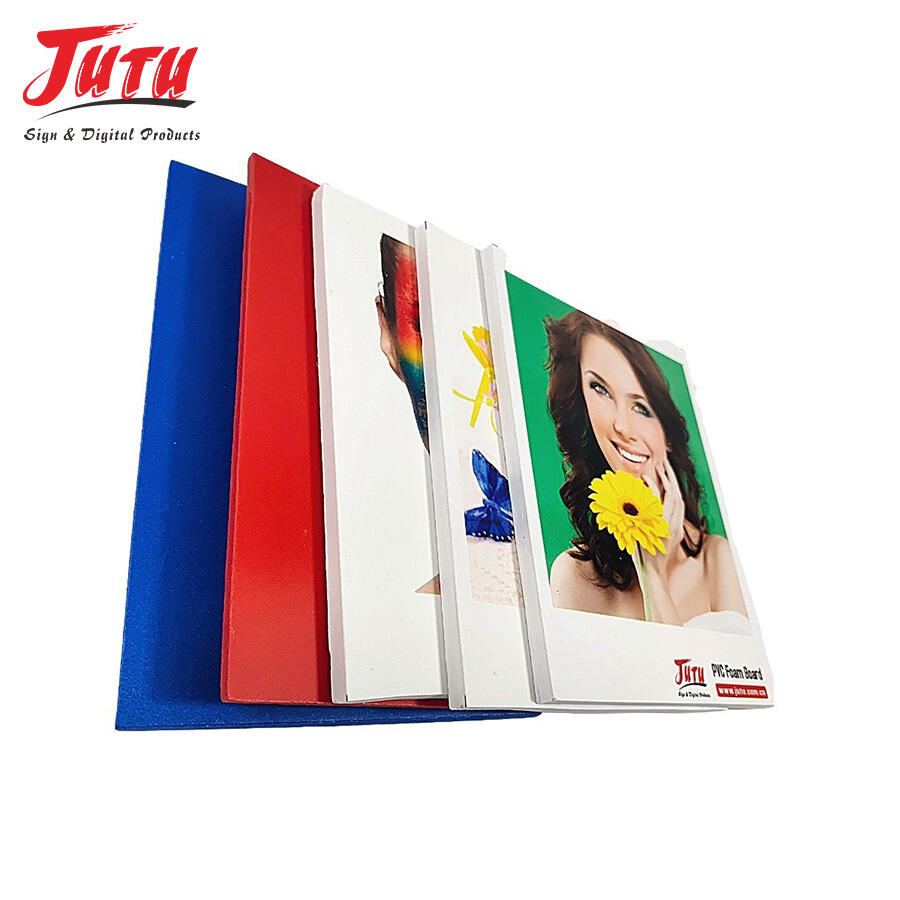
PVC foam board has become an increasingly popular building material across construction, signage, and industrial applications due to its lightweight properties, excellent durability, and cost-effectiveness. However, even experienced contractors and DIY enthusiasts often make critical installation errors that can compromise the integrity and longevity of their projects. Understanding these common mistakes and implementing proper installation techniques is essential for achieving professional results with PVC foam board applications.
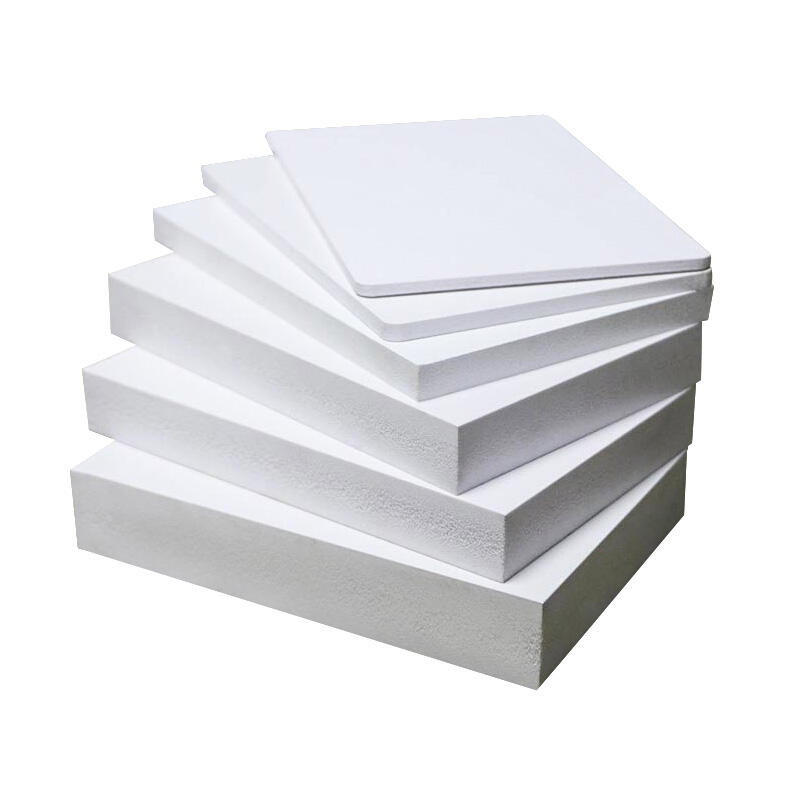
Surface Preparation Failures
Inadequate Substrate Cleaning
One of the most fundamental mistakes in PVC foam board installation involves insufficient surface preparation before mounting. Many installers rush through the cleaning process, leaving behind dust, oil, moisture, or debris that prevents proper adhesion. The substrate must be thoroughly cleaned with appropriate solvents and allowed to dry completely before applying any adhesive or mechanical fasteners. Failing to remove all contaminants can result in premature failure of the PVC foam board installation, leading to costly repairs and potential safety hazards.
Professional installers recommend using isopropyl alcohol or specialized surface cleaners to ensure optimal bonding conditions. The cleaning process should extend beyond the immediate mounting area to prevent contamination during installation. Additionally, testing the substrate for porosity and absorbency helps determine the most suitable installation method for the specific PVC foam board application.
Ignoring Substrate Compatibility
Another critical surface preparation error involves installing PVC foam board on incompatible substrates without proper treatment or priming. Different materials require specific preparation techniques to ensure long-term adhesion and performance. For example, installing PVC foam board directly onto untreated metal surfaces can result in corrosion issues and adhesive failure over time. Similarly, mounting on highly porous surfaces like untreated concrete or wood may require specialized primers or sealers.
Understanding the chemical compatibility between the PVC foam board, adhesives, and substrate materials is crucial for preventing installation failures. Some substrates may require mechanical preparation such as sanding or etching to improve adhesion, while others might need chemical primers to create a suitable bonding surface for the foam board installation.
Adhesive Selection and Application Errors
Using Incorrect Adhesive Types
Selecting inappropriate adhesives represents one of the most costly mistakes in PVC foam board installations. Many installers assume that any construction adhesive will work effectively with foam boards, but this assumption can lead to catastrophic failures. PVC foam board requires specific adhesive formulations that are compatible with its cellular structure and chemical composition. Using solvent-based adhesives can actually dissolve or damage the foam core, while water-based options might not provide sufficient strength for structural applications.
Professional-grade structural adhesives designed specifically for foam materials offer superior bonding strength and durability. These specialized adhesives typically cure through moisture activation or chemical cross-linking, providing long-term performance even under challenging environmental conditions. Consulting with adhesive manufacturers or PVC foam board suppliers ensures proper product selection for specific applications and environmental requirements.
Improper Adhesive Application Techniques
Even when using the correct adhesive type, improper application techniques can compromise the effectiveness of PVC foam board installations. Common application errors include applying too much or too little adhesive, creating uneven coverage patterns, or failing to follow proper curing procedures. Excessive adhesive can create stress concentrations and uneven surfaces, while insufficient coverage results in weak bonds and potential failure points.
The recommended adhesive application pattern depends on the specific PVC foam board thickness and intended use. Thin boards typically require full coverage or closely spaced bead patterns, while thicker boards may perform adequately with perimeter and spot bonding techniques. Temperature and humidity conditions during application and curing significantly impact adhesive performance, requiring careful environmental monitoring and potential schedule adjustments.
Fastener and Hardware Issues
Incorrect Fastener Selection
Mechanical fastening mistakes frequently occur when installers use standard hardware designed for solid materials rather than specialized fasteners appropriate for PVC foam board applications. Traditional screws and bolts can crush the cellular core structure, creating stress concentrations that lead to cracking or delamination over time. The lightweight nature of foam boards requires fasteners with larger bearing surfaces to distribute loads effectively across the material.
Specialized foam board fasteners feature oversized washers or integrated bearing plates that prevent over-compression during installation. These fasteners are typically made from corrosion-resistant materials to ensure long-term performance in exterior applications. Thread pitch and penetration depth must be carefully controlled to avoid damaging the PVC foam board core while achieving adequate holding power.
Over-tightening and Compression Damage
Over-tightening fasteners represents a common installation error that can severely compromise PVC foam board performance and appearance. The cellular structure of foam boards is susceptible to compression damage, which can create permanent deformation and stress concentrations around fastener locations. Installers often apply excessive torque when tightening screws, either from habit with solid materials or from misconceptions about required holding strength.
Proper fastener installation requires torque control techniques and specialized tools to prevent over-compression. Many professional installers use torque-limiting drivers or clutch mechanisms to ensure consistent fastening without damaging the PVC foam board structure. Pre-drilling pilot holes slightly smaller than the fastener diameter helps prevent splitting while reducing installation torque requirements.
Environmental and Expansion Considerations
Ignoring Thermal Expansion Properties
PVC foam board exhibits significant thermal expansion and contraction characteristics that must be accommodated during installation planning and execution. Many installation failures result from rigid mounting systems that prevent natural dimensional changes as temperatures fluctuate throughout daily and seasonal cycles. Constraining thermal movement creates internal stresses that can cause warping, buckling, or fastener failure over time.
Professional installations incorporate expansion joints, flexible mounting systems, or sliding fastener arrangements to accommodate thermal movement. The coefficient of thermal expansion for PVC foam board is substantially higher than most structural materials, requiring careful calculation of expected dimensional changes under local climate conditions. Proper expansion allowances prevent stress accumulation and maintain long-term performance.
Moisture and Weather Protection Oversights
While PVC foam board offers excellent moisture resistance compared to traditional materials, improper installation can create water infiltration paths that compromise performance and durability. Common mistakes include inadequate edge sealing, improper joint design, or insufficient drainage provisions in exterior applications. Water penetration can cause adhesive degradation, substrate damage, or freeze-thaw cycling problems in cold climates.
Effective weather protection requires comprehensive sealing systems that address all potential infiltration paths while maintaining necessary expansion capabilities. High-quality sealants compatible with both the PVC foam board and substrate materials prevent water infiltration without restricting thermal movement. Proper joint design and drainage details ensure long-term performance even under severe weather conditions.
Cutting and Edge Treatment Problems
Using Inappropriate Cutting Tools
Improper cutting techniques and tool selection frequently result in damaged edges that compromise both appearance and performance of PVC foam board installations. Standard woodworking tools often create rough, chipped, or melted edges due to excessive heat generation or inappropriate cutting action. The cellular structure of foam boards requires specialized cutting approaches to achieve clean, smooth edges suitable for professional installations.
Professional cutting of PVC foam board typically involves sharp utility knives for thin materials or specialized foam cutting tools for thicker boards. Router-based cutting systems with appropriate speed and feed settings can produce extremely smooth edges for precision applications. Heat-generating tools like circular saws require careful technique and blade selection to prevent melting or thermal damage to the foam structure.
Inadequate Edge Sealing and Protection
Exposed edges of PVC foam board installations require proper sealing and protection to prevent moisture infiltration and maintain long-term performance. Many installers overlook edge treatment, assuming that the material's inherent water resistance provides adequate protection. However, cut edges expose the cellular core structure, creating potential pathways for water infiltration and subsequent problems.
Professional edge sealing involves compatible sealants or edge banding materials that provide weather protection while maintaining aesthetic appeal. The sealing system must accommodate thermal movement and potential substrate variations without compromising the integrity of the PVC foam board installation. Regular inspection and maintenance of edge seals ensures continued protection throughout the service life.
FAQ
What is the most common mistake when installing PVC foam board
The most common installation mistake is inadequate surface preparation, particularly insufficient cleaning of the substrate before mounting. This fundamental error prevents proper adhesion and can lead to premature failure of the entire installation. Professional results require thorough substrate cleaning, compatibility assessment, and appropriate primer application when necessary.
Can I use regular construction adhesives with PVC foam board
No, regular construction adhesives are often incompatible with PVC foam board and can cause chemical damage or insufficient bonding. Specialized foam-compatible adhesives are required to achieve proper bonding strength without damaging the cellular core structure. Consult with adhesive manufacturers or foam board suppliers for appropriate product recommendations.
How do I prevent over-tightening fasteners in PVC foam board installations
Prevent over-tightening by using torque-limiting tools, specialized foam board fasteners with large bearing surfaces, and proper installation techniques. Pre-drilling pilot holes and using fasteners specifically designed for foam materials helps distribute loads evenly and prevents compression damage to the cellular structure.
What expansion allowances should I provide for PVC foam board installations
PVC foam board requires expansion allowances based on local temperature ranges and material dimensions. Typical allowances range from 1/8 inch to 1/4 inch per 10 feet of material length, depending on expected temperature variations. Consult manufacturer specifications and local climate data to calculate appropriate expansion joint spacing and sizing for specific applications.