 EN
EN

An acrylic sheet is one of the most reliable transparent materials available in modern manufacturing and construction. Whether used in display cases, safety barriers, or architectural glazing, an acrylic sheet must simultaneously deliver high optical clarity and resist mechanical stress. Understanding how an acrylic sheet achieves this dual performance is essential for engineers, designers, and procurement professionals making informed material choices.
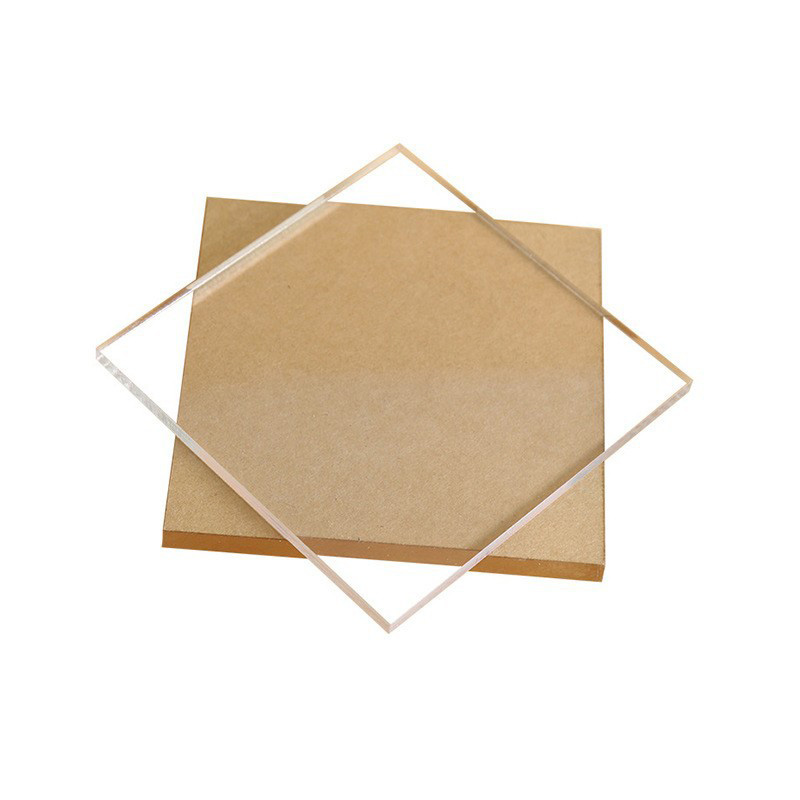
The ability of an acrylic sheet to maintain transparency while withstanding physical pressure is not accidental. It results from the precise molecular structure of polymethyl methacrylate, the base polymer of every acrylic sheet. When you examine how an acrylic sheet performs under load, you begin to appreciate how material science translates directly into real-world durability and visual performance.
The Molecular Foundation of Acrylic Sheet Clarity
How Polymer Structure Preserves Light Transmission
The transparency of an acrylic sheet originates at the molecular level. Polymethyl methacrylate, the core material of any acrylic sheet, forms a highly ordered, amorphous polymer chain that lacks the light-scattering crystalline regions found in many other plastics. This structural uniformity allows an acrylic sheet to transmit up to 92 percent of visible light, outperforming standard glass in many conditions. Because the polymer chains within an acrylic sheet are tightly packed and consistently aligned during the casting or extrusion process, the resulting acrylic sheet maintains this optical performance even after years of exposure.
When pressure is applied to an acrylic sheet, the amorphous polymer network distributes mechanical stress across a wide molecular area rather than concentrating it at a single point. This stress-distribution behavior is one reason an acrylic sheet resists crazing and micro-cracking far better than brittle inorganic glass. The acrylic sheet can flex slightly under moderate loads, absorbing impact energy without compromising its surface clarity. This combination of optical purity and mechanical flexibility makes an acrylic sheet uniquely suited to pressure-bearing transparent applications.
Casting vs. Extrusion and Their Effect on Acrylic Sheet Performance
Not every acrylic sheet is manufactured identically, and the production method affects how well each acrylic sheet handles pressure. A cast acrylic sheet is produced by pouring liquid monomer between two glass molds and allowing it to polymerize slowly. This slow process gives the cast acrylic sheet a higher molecular weight, resulting in superior strength, chemical resistance, and optical consistency. An extruded acrylic sheet, by contrast, is formed by pushing molten polymer through a die, producing a uniform acrylic sheet at higher speed and lower cost. While an extruded acrylic sheet offers excellent clarity and is easier to thermoform, the cast acrylic sheet generally performs better under sustained mechanical pressure due to its denser molecular structure. Selecting the right acrylic sheet type for each pressure-bearing application ensures the material performs as expected over its full service life.
Structural Mechanisms That Maintain Acrylic Sheet Strength
Impact Resistance and Load Distribution in an Acrylic Sheet
An acrylic sheet is significantly stronger than standard glass of the same thickness. Under direct impact, an acrylic sheet absorbs energy through elastic deformation rather than immediate fracture. This behavior is explained by the viscoelastic nature of the acrylic sheet polymer, which allows the material to behave both as a solid and as a slightly flexible medium under dynamic loads. In safety glazing, machine guards, and pressure-rated enclosures, the acrylic sheet is chosen precisely because it resists shattering and maintains structural integrity even after receiving a hard blow. When an acrylic sheet does eventually reach its stress limit, it typically breaks into large, dull-edged pieces rather than sharp glass-like fragments, making the acrylic sheet safer in many occupied environments.
Thickness plays a decisive role in how well an acrylic sheet handles compressive and bending loads. A thicker acrylic sheet increases the second moment of area, meaning the acrylic sheet resists bending stress more effectively without a proportional increase in weight. This is especially valuable in large-format installations where a single acrylic sheet must span a wide unsupported area. Engineers calculating the load capacity of an acrylic sheet use established deflection formulas to match acrylic sheet thickness with span length and expected pressure load, ensuring every acrylic sheet installation remains both transparent and structurally sound.
Surface Hardness and Scratch Resistance of Acrylic Sheet Under Stress
Maintaining transparency under pressure is not only about surviving mechanical loads — it also requires the acrylic sheet surface to resist abrasion that could reduce light transmission over time. Many industrial-grade acrylic sheet products include hard-coat surface treatments applied during or after production. These coatings increase the surface hardness of the acrylic sheet without affecting its clarity, allowing the acrylic sheet to resist scratches from cleaning, handling, or contact pressure in high-traffic environments. A hard-coated acrylic sheet retains its optical performance far longer than an uncoated acrylic sheet, making it the preferred choice when sustained contact stress is expected.
Applications Where Acrylic Sheet Clarity and Strength Work Together
Industrial and Commercial Uses of Pressure-Rated Acrylic Sheet
The combination of transparency and pressure resistance makes an acrylic sheet ideal for a wide range of demanding applications. In industrial settings, an acrylic sheet is used for machine guards and viewing windows where operators need a clear line of sight without sacrificing protection. An acrylic sheet is also widely used in aquariums and water-pressure vessels, where it must hold back sustained hydrostatic pressure while remaining optically clear for observation. Commercial architecture relies on an acrylic sheet for skylights, canopies, and curtain wall panels, where the acrylic sheet must bear wind loads and snow pressure across large surface areas. In each of these contexts, the acrylic sheet performs because its mechanical and optical properties are engineered to work in concert rather than in opposition.
Retail display and signage applications also benefit from the acrylic sheet's ability to maintain a pristine appearance under the repeated pressure of handling and installation. Point-of-sale enclosures, display trays, and protective screens made from acrylic sheet retain their showroom-quality clarity even after extended use, because the acrylic sheet polymer resists yellowing and surface degradation under normal environmental conditions. For any application where visual appeal and structural reliability must coexist, an acrylic sheet remains a top-tier material selection.
FAQ
Does an acrylic sheet lose clarity when placed under constant pressure?
A well-manufactured acrylic sheet maintains its optical clarity under sustained pressure as long as the applied load stays within the material's rated stress tolerance. Selecting the correct acrylic sheet thickness and grade for the specific pressure demand prevents permanent deformation and preserves long-term transparency.
How does an acrylic sheet compare to glass in pressure-bearing applications?
An acrylic sheet typically offers higher impact resistance than glass of equal thickness, while weighing significantly less. In pressure-bearing applications, an acrylic sheet can flex slightly to absorb dynamic loads, whereas glass is more likely to crack under sudden impact. For many safety and structural glazing uses, an acrylic sheet is the more practical and safer choice.
Can an acrylic sheet be used outdoors where UV and pressure combine?
Yes, a UV-stabilized acrylic sheet is specifically formulated to resist both ultraviolet degradation and mechanical stress simultaneously. Outdoor installations using a UV-grade acrylic sheet retain their clarity and structural strength over many years, making the acrylic sheet a dependable material for exterior architectural and industrial applications.