 EN
EN

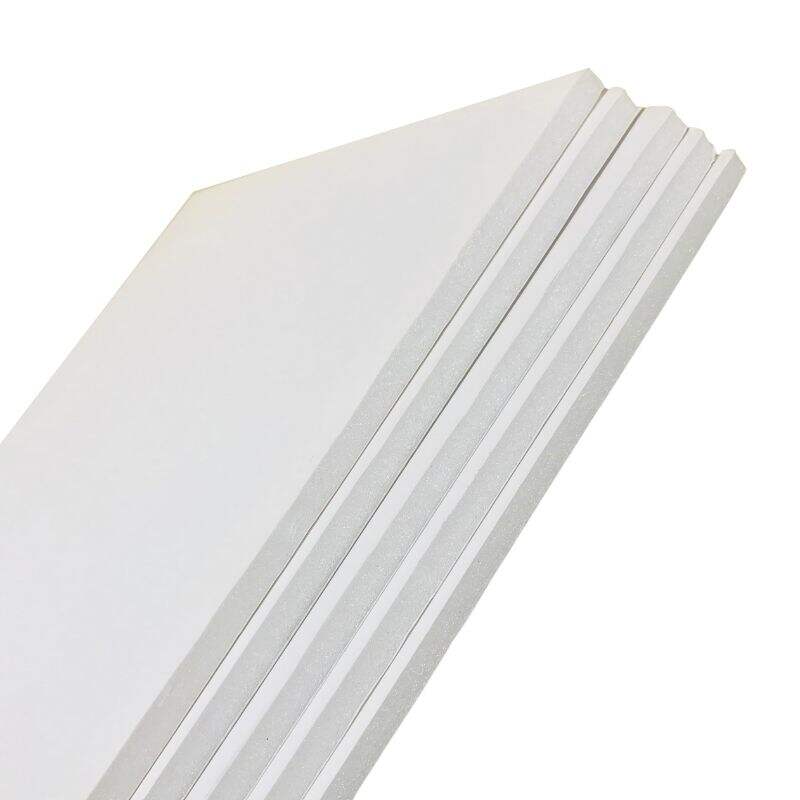
Fire safety remains a critical concern in modern construction projects, where building materials must meet stringent safety standards while maintaining structural integrity and aesthetic appeal. PVC foam board has emerged as a revolutionary solution that addresses these challenges by offering exceptional fire resistance properties alongside versatility and durability. This advanced material combines the lightweight characteristics of traditional foam boards with enhanced fire-retardant capabilities, making it an ideal choice for architects, contractors, and building professionals who prioritize safety without compromising on design flexibility.
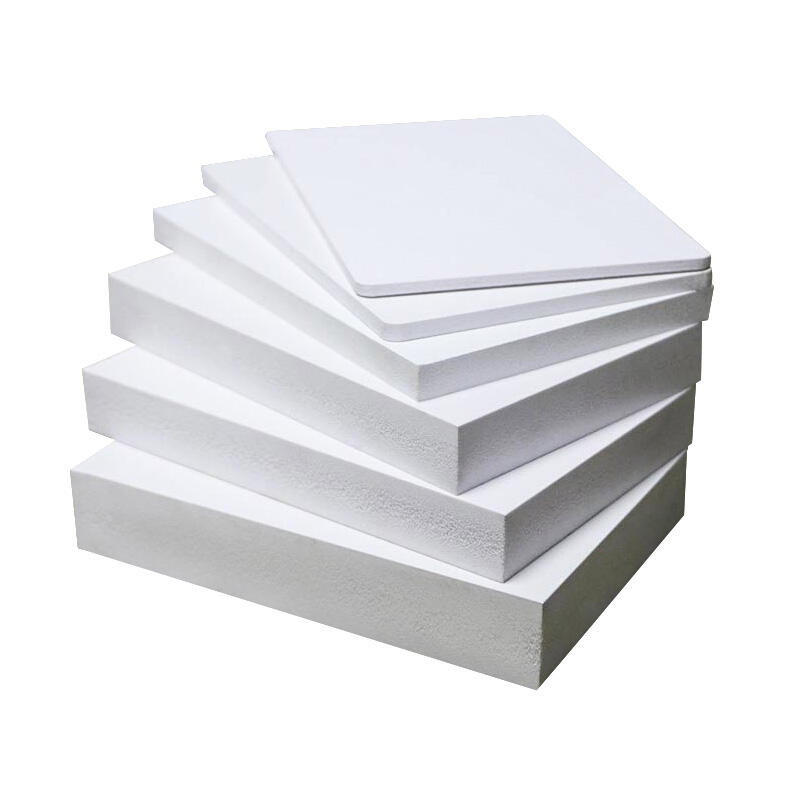
The construction industry has witnessed a significant shift toward materials that provide superior fire protection while maintaining cost-effectiveness and ease of installation. PVC foam board represents this evolution, offering building professionals a reliable material that exceeds traditional options in both safety performance and practical application. Understanding how this innovative material enhances fire resistance can help construction professionals make informed decisions that protect lives and property while meeting regulatory requirements.
Understanding Fire Resistance Properties of PVC Foam Board
Chemical Composition and Fire-Retardant Mechanisms
The exceptional fire resistance of PVC foam board stems from its unique chemical composition, which includes specialized fire-retardant additives that activate when exposed to heat. These additives work by releasing flame-suppressing gases when the material reaches critical temperatures, effectively starving flames of oxygen and preventing fire propagation. The polyvinyl chloride matrix itself contributes to fire resistance by forming a protective char layer when exposed to high temperatures, creating a barrier that insulates the underlying material from further heat exposure.
The foam structure of PVC foam board plays a crucial role in its fire-resistant properties by limiting heat transfer through the material. The closed-cell foam structure contains trapped air pockets that act as thermal barriers, slowing the transmission of heat and reducing the material's susceptibility to ignition. This cellular structure, combined with the inherent fire-retardant properties of PVC, creates a material that resists combustion while maintaining structural stability under extreme conditions.
Performance Standards and Testing Protocols
PVC foam board undergoes rigorous testing to ensure compliance with international fire safety standards, including ASTM E84, UL 94, and various building code requirements. These comprehensive tests evaluate flame spread rates, smoke development, and heat release characteristics under controlled laboratory conditions that simulate real-world fire scenarios. The results consistently demonstrate that high-quality PVC foam board achieves superior ratings compared to many traditional building materials, making it suitable for applications where fire safety is paramount.
Testing protocols for PVC foam board also evaluate the material's performance during extended exposure to high temperatures, measuring its ability to maintain structural integrity while resisting ignition. These assessments provide valuable data that helps architects and engineers specify appropriate materials for specific applications based on fire safety requirements and building code compliance. The comprehensive testing ensures that PVC foam board meets or exceeds the demanding standards required for commercial, residential, and industrial construction projects.
Applications in Fire-Safe Building Design
Interior Wall Systems and Partitions
Interior applications of PVC foam board in fire-safe building design focus on creating effective barriers that limit fire spread while maintaining architectural functionality. Wall systems constructed with PVC foam board provide excellent fire resistance while offering design flexibility for partition walls, decorative panels, and interior cladding systems. The material's lightweight properties reduce structural load requirements while its fire-resistant characteristics help compartmentalize buildings to prevent fire propagation between spaces.
Partition systems utilizing PVC foam board offer architects the ability to create functional spaces that meet fire safety requirements without sacrificing design aesthetics. The material can be easily fabricated, cut, and installed using standard construction techniques, making it an efficient choice for both new construction and renovation projects. Its smooth surface accepts various finishing materials, allowing designers to achieve desired aesthetic outcomes while maintaining superior fire protection properties.
Ceiling and Soffit Applications
Ceiling installations represent another critical application area where PVC foam board enhances fire safety in building projects. The material's fire-resistant properties help prevent flame spread through ceiling spaces while its lightweight characteristics reduce installation complexity and structural requirements. PVC foam board ceiling systems provide effective fire barriers in commercial buildings, educational facilities, and healthcare environments where fire safety regulations are particularly stringent.
Soffit applications benefit from the material's resistance to heat and flame, particularly in areas where mechanical systems or electrical components may pose fire risks. PVC foam board maintains its structural integrity under elevated temperatures, preventing the collapse of ceiling systems that could impede evacuation routes or allow fire to spread to adjacent spaces. The material's closed-cell structure also resists moisture absorption, making it suitable for areas with high humidity or potential water exposure.
Comparative Fire Performance Analysis
Traditional Materials versus PVC Foam Board
When compared to traditional building materials such as wood, standard foam boards, and conventional plastics, PVC foam board demonstrates superior fire resistance characteristics across multiple performance metrics. Wood materials, while widely used, are inherently combustible and require additional fire-retardant treatments to achieve acceptable safety levels. Standard polystyrene and polyurethane foam boards often exhibit rapid flame spread and high smoke production, making them unsuitable for applications where fire safety is critical.
The fire performance advantages of PVC foam board become particularly evident in side-by-side testing scenarios where flame spread rates, heat release, and smoke production are measured simultaneously. PVC foam board consistently outperforms traditional materials by exhibiting slower ignition times, reduced flame spread rates, and lower smoke generation. These performance characteristics translate directly into improved safety outcomes for building occupants and enhanced protection for property assets during fire events.
Long-term Fire Safety Benefits
The long-term fire safety benefits of PVC foam board extend beyond initial installation to provide ongoing protection throughout the building's lifecycle. Unlike some materials that may degrade over time and lose fire-resistant properties, properly manufactured PVC foam board maintains its protective characteristics for decades under normal building conditions. This durability ensures that fire safety investments remain effective over the long term, providing consistent protection without requiring frequent replacement or maintenance.
Environmental factors such as humidity, temperature fluctuations, and UV exposure have minimal impact on the fire-resistant properties of PVC foam board, making it suitable for diverse climate conditions and building environments. The material's stability under various environmental conditions ensures that fire protection remains consistent regardless of seasonal changes or geographic location, providing building owners with confidence in their long-term fire safety strategy.
Installation Considerations for Optimal Fire Protection
Proper Installation Techniques
Achieving optimal fire protection with PVC foam board requires adherence to proper installation techniques that maximize the material's inherent fire-resistant properties. Installation procedures must account for thermal expansion characteristics, joint sealing requirements, and fastening methods that maintain the integrity of fire barriers. Professional installation ensures that PVC foam board systems perform as designed during fire events, providing the expected level of protection for building occupants and property.
Critical installation considerations include proper spacing of fasteners to prevent thermal bridging, appropriate sealing of joints to maintain fire barrier continuity, and selection of compatible adhesives and fastening systems that do not compromise fire performance. Installation teams must also consider the interaction between PVC foam board and adjacent building materials to ensure that fire-resistant assemblies maintain their protective characteristics throughout the complete building system.
Quality Control and Inspection Protocols
Quality control measures during PVC foam board installation focus on verifying that fire-resistant assemblies meet design specifications and building code requirements. Inspection protocols should include verification of material specifications, assessment of installation workmanship, and documentation of compliance with fire safety standards. These quality control measures help ensure that PVC foam board systems provide the expected level of fire protection throughout their service life.
Regular inspection and maintenance protocols for PVC foam board installations help maintain optimal fire protection over time. These protocols include periodic assessment of joint integrity, verification of fastener performance, and evaluation of any modifications or repairs that may affect fire-resistant assemblies. Proper maintenance ensures that PVC foam board continues to provide reliable fire protection as building systems age and undergo modifications.
Regulatory Compliance and Building Codes
International Fire Safety Standards
PVC foam board compliance with international fire safety standards ensures that building projects meet regulatory requirements across different jurisdictions and building types. Major standards organizations including ASTM International, Underwriters Laboratories, and the International Code Council have established comprehensive testing protocols that evaluate fire performance characteristics of building materials. PVC foam board manufacturers typically obtain certifications demonstrating compliance with these standards, providing architects and contractors with documentation required for permit applications and code compliance verification.
The global harmonization of fire safety standards has simplified the specification process for PVC foam board in international construction projects. Building professionals can rely on recognized testing protocols and certification systems to specify appropriate materials regardless of project location, ensuring consistent fire safety performance across diverse regulatory environments. This standardization also facilitates the development of best practices for PVC foam board applications in fire-safe building design.
Local Building Code Requirements
Local building codes often include specific requirements for fire-resistant materials in different occupancy types and building configurations. PVC foam board applications must comply with these local requirements, which may include flame spread limitations, smoke development restrictions, and specific installation requirements for fire-rated assemblies. Understanding local code requirements is essential for proper specification and installation of PVC foam board in building projects.
Building code compliance for PVC foam board installations may require coordination with local fire officials and building inspectors to ensure proper understanding of material properties and installation requirements. Documentation of material certifications, installation procedures, and inspection results helps demonstrate compliance with local requirements and facilitates the approval process for building projects utilizing PVC foam board in fire-safe applications.
Future Developments in Fire-Resistant PVC Foam Technology
Advanced Formulation Innovations
Ongoing research and development in PVC foam board technology focuses on enhancing fire-resistant properties through advanced formulation techniques and innovative additive systems. New fire-retardant compounds are being developed that provide improved performance while maintaining the material's desirable characteristics such as lightweight properties, ease of fabrication, and cost-effectiveness. These advancements promise to deliver even greater fire safety benefits for future building applications.
Nanotechnology applications in PVC foam board development are exploring the incorporation of nanoscale fire-retardant particles that can provide superior protection with reduced additive loading. These advanced formulations may offer improved fire performance while maintaining or enhancing other material properties such as thermal insulation, mechanical strength, and environmental resistance. The integration of smart materials technology could also enable PVC foam board systems that provide active fire detection and suppression capabilities.
Sustainable Fire-Safe Building Solutions
The development of sustainable PVC foam board formulations addresses environmental concerns while maintaining superior fire safety performance. Recycling technologies are being developed that allow post-consumer PVC foam board to be reprocessed into new fire-resistant materials, reducing environmental impact while providing continued fire safety benefits. Bio-based additives and renewable raw materials are also being investigated as potential components for next-generation PVC foam board formulations.
Life cycle assessment studies of PVC foam board applications in fire-safe building design demonstrate the long-term environmental benefits of durable fire-resistant materials. The extended service life and low maintenance requirements of PVC foam board contribute to reduced environmental impact over the building lifecycle, while superior fire safety properties help prevent catastrophic losses that require resource-intensive reconstruction efforts. These sustainability considerations are driving continued innovation in fire-resistant PVC foam board technology.
FAQ
How does PVC foam board compare to other fire-resistant building materials in terms of cost-effectiveness
PVC foam board offers excellent cost-effectiveness compared to other fire-resistant building materials due to its combination of superior fire performance, ease of installation, and long service life. While initial material costs may be higher than some traditional options, the reduced installation time, minimal maintenance requirements, and extended durability result in lower total cost of ownership. The material's lightweight properties also reduce structural requirements, potentially lowering overall construction costs while providing enhanced fire safety benefits.
What maintenance is required to ensure PVC foam board maintains its fire-resistant properties over time
PVC foam board requires minimal maintenance to maintain its fire-resistant properties, as the material is inherently stable and does not degrade under normal building conditions. Routine inspection of joints and fasteners every few years helps ensure that fire-resistant assemblies remain intact and effective. Any damaged sections should be promptly repaired or replaced using compatible materials and proper installation techniques. The material's resistance to moisture, UV exposure, and temperature fluctuations means that fire-resistant properties remain consistent throughout its service life with minimal intervention.
Can PVC foam board be used in high-temperature environments while maintaining fire safety performance
PVC foam board is designed to maintain its fire safety performance across a wide range of operating temperatures typically encountered in building applications. The material's fire-retardant additives and cellular structure continue to provide protection even when exposed to elevated ambient temperatures. However, specific temperature limits should be verified with manufacturers for particular applications, especially in industrial environments or areas with extreme temperature conditions. Proper installation techniques and appropriate grade selection ensure that PVC foam board continues to provide reliable fire protection regardless of normal environmental temperature variations.
How does the installation of PVC foam board affect overall building fire safety ratings
The installation of PVC foam board can significantly improve overall building fire safety ratings by providing enhanced flame spread resistance, reduced smoke development, and improved fire barrier performance. When properly installed as part of tested fire-rated assemblies, PVC foam board helps buildings achieve higher fire safety classifications and may contribute to reduced insurance costs and improved occupant safety. The material's contribution to fire safety ratings depends on specific application details, installation quality, and compliance with applicable building codes and standards. Professional design and installation ensure that PVC foam board installations maximize their positive impact on building fire safety performance.
Table of Contents
- Understanding Fire Resistance Properties of PVC Foam Board
- Applications in Fire-Safe Building Design
- Comparative Fire Performance Analysis
- Installation Considerations for Optimal Fire Protection
- Regulatory Compliance and Building Codes
- Future Developments in Fire-Resistant PVC Foam Technology
-
FAQ
- How does PVC foam board compare to other fire-resistant building materials in terms of cost-effectiveness
- What maintenance is required to ensure PVC foam board maintains its fire-resistant properties over time
- Can PVC foam board be used in high-temperature environments while maintaining fire safety performance
- How does the installation of PVC foam board affect overall building fire safety ratings