 EN
EN

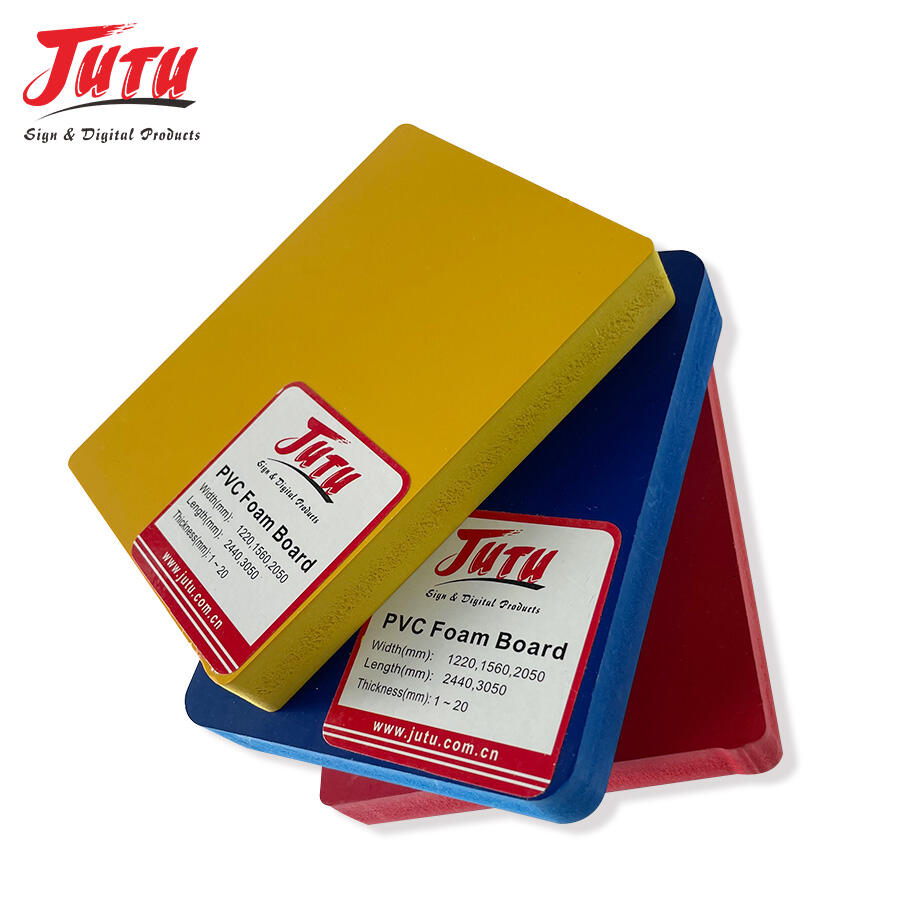
Commercial interior design has evolved dramatically over the past decade, with architects and designers increasingly seeking materials that combine functionality, aesthetics, and cost-effectiveness. Among the most versatile solutions that have emerged is PVC foam board, a lightweight yet durable material that has revolutionized how professionals approach modern commercial spaces. From retail environments to corporate offices, this innovative material offers unparalleled design flexibility while maintaining the structural integrity demanded by high-traffic commercial applications.
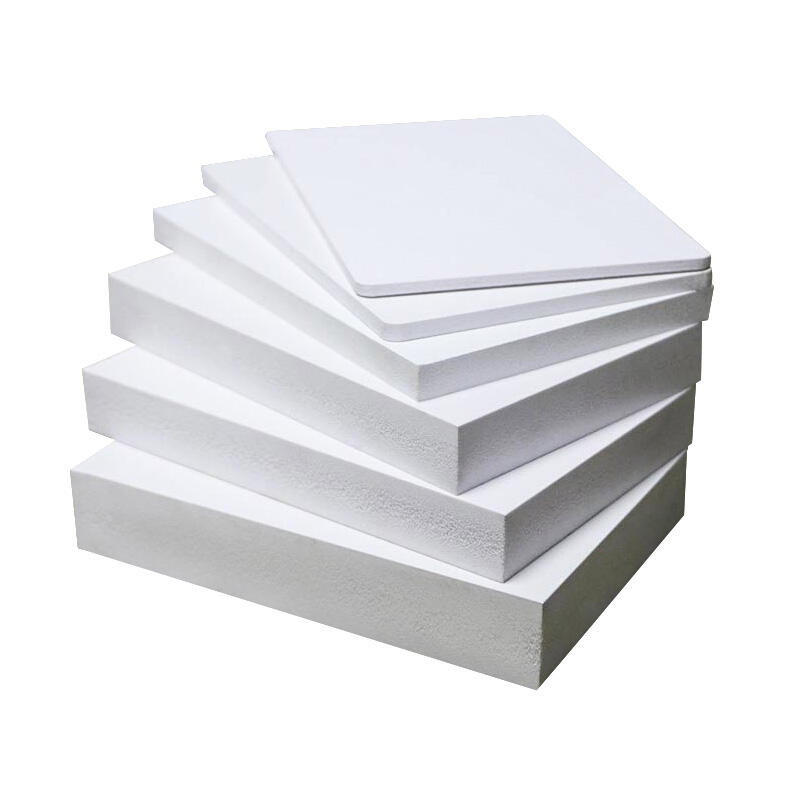
The adoption of PVC foam board in commercial interiors represents a significant shift toward materials that deliver exceptional performance across multiple parameters. Unlike traditional materials such as plywood or medium-density fiberboard, PVC foam board offers superior moisture resistance, chemical stability, and dimensional consistency. These properties make it an ideal choice for environments where traditional materials might fail or require frequent maintenance, ultimately reducing long-term operational costs for commercial property owners.
Retail Environment Transformations
High-End Fashion Boutique Renovation
A prominent fashion retailer in downtown Manhattan recently completed a comprehensive store renovation using PVC foam board as the primary material for display fixtures and wall treatments. The project, spanning 3,500 square feet, required materials that could withstand constant handling while maintaining an pristine appearance. The design team selected PVC foam board for its ability to accept high-quality laminate finishes and its resistance to scratches and impacts from daily retail operations.
The installation process revealed significant advantages over traditional materials. PVC foam board's lightweight properties allowed for faster installation with reduced labor costs, while its uniform density ensured consistent cutting and joining. The finished result delivered a seamless, high-end appearance that has maintained its quality through eighteen months of heavy customer traffic. Store management reported a 40% reduction in maintenance requirements compared to their previous MDF-based fixtures.
Electronics Retail Chain Standardization
A national electronics retailer implemented PVC foam board across 150 locations as part of a brand standardization initiative. The challenge involved creating consistent visual merchandising elements that could be manufactured centrally and shipped nationwide without damage. Traditional materials proved problematic due to weight restrictions and susceptibility to moisture damage during transport.
The PVC foam board solution enabled the creation of lightweight display components that could be flat-packed for efficient shipping. Each store received identical fixtures that assembled quickly without specialized tools or expertise. The project resulted in a 60% reduction in shipping costs and a 75% decrease in installation time per location, while achieving perfect brand consistency across all retail outlets.
Corporate Office Applications
Financial Services Headquarters
A major financial services company undertook a complete office redesign for their 50,000 square foot headquarters, emphasizing modern aesthetics while maintaining strict fire safety and environmental standards. The design team specified PVC foam board for partition systems, decorative wall panels, and custom furniture elements throughout the facility. The material's flame-retardant properties and low VOC emissions aligned with the company's sustainability goals and regulatory requirements.
Implementation involved creating modular partition systems that could be reconfigured as the organization evolved. PVC foam board's machinability allowed for precise cutting and joining, creating seamless installations that appeared built-in despite being fully removable. The project achieved LEED Gold certification, with PVC foam board components contributing to points in materials and resources categories. Employee satisfaction surveys indicated improved workplace aesthetics and reduced noise levels compared to the previous office configuration.
Technology Startup Flexible Workspace
A rapidly growing technology startup required office solutions that could adapt to changing team sizes and project requirements. Traditional construction methods proved too slow and expensive for their dynamic needs. The solution involved creating modular workspace elements using PVC foam board that could be quickly reconfigured without professional installation.
The implementation featured desk components, privacy screens, and collaborative spaces built from PVC foam board systems. Color-coded sections helped organize different team functions while maintaining visual cohesion. Over two years of operation, the company has reconfigured their space eight times to accommodate growth from 25 to 180 employees, with each reconfiguration completed over a single weekend using existing PVC foam board components.
Healthcare Facility Implementations
Medical Clinic Renovation
A multi-specialty medical clinic required materials that could meet stringent hygiene standards while providing patient-friendly aesthetics. PVC foam board emerged as the optimal solution for wall panels, reception areas, and patient room fixtures due to its non-porous surface and resistance to common cleaning chemicals. The material's ability to accept medical-grade laminates ensured compliance with healthcare regulations.
Installation in the active medical facility required minimal disruption to operations. PVC foam board's clean cutting properties eliminated dust and debris concerns critical in healthcare environments. The finished surfaces proved easy to sanitize and maintain, with no visible wear after two years of intensive cleaning protocols. Patient feedback highlighted improved room aesthetics and reduced institutional atmosphere compared to traditional healthcare materials.
Dental Practice Chain Standardization
A regional dental practice chain implemented PVC foam board solutions across twelve locations to create consistent patient experiences while meeting diverse local building codes. Each practice required custom treatment room configurations while maintaining brand identity elements. PVC foam board's versatility allowed for standardized components that could be adapted to unique architectural constraints at each location.
The standardization project utilized CNC-cut PVC foam board components that ensured precise fits and professional appearances across all locations. Maintenance staff reported significant time savings in cleaning and upkeep, while practice owners noted improved patient perceptions of facility quality. The material's chemical resistance proved particularly valuable in dental environments where exposure to various medicinal compounds is routine.
Hospitality Industry Success Stories
Boutique Hotel Lobby Redesign
A boutique hotel in a historic building required lobby renovations that preserved architectural character while incorporating modern amenities. Weight restrictions and preservation requirements eliminated many traditional materials. PVC foam board provided the necessary design flexibility while meeting strict weight limitations imposed by the historic structure.
The design featured custom reception desks, decorative wall treatments, and furniture elements created from PVC foam board. Specialized finishing techniques achieved wood and stone appearances indistinguishable from natural materials. The renovation was completed in three weeks during the off-season, with PVC foam board's rapid installation capabilities minimizing revenue loss from closure. Guest reviews consistently praise the lobby's sophisticated appearance and comfortable atmosphere.
Restaurant Chain Prototype Development
A fast-casual restaurant chain developed a new store prototype using PVC foam board for booth seating, wall panels, and decorative elements. The prototype needed to demonstrate scalability while controlling costs and installation complexity. PVC foam board enabled the creation of distinctive design elements that could be replicated consistently across multiple markets.
Testing revealed PVC foam board's superior performance in high-traffic restaurant environments. The material resisted staining from food spills and maintained appearance despite intensive daily cleaning. Acoustic properties contributed to comfortable dining environments even during peak hours. The successful prototype has been rolled out to over 200 locations, with PVC foam board components maintaining consistent quality across diverse geographic and climatic conditions.
Educational Facility Applications
University Library Modernization
A university library underwent comprehensive modernization to create collaborative learning spaces while preserving quiet study areas. The project required materials that could provide sound control, durability, and aesthetic appeal within a limited budget. PVC foam board offered acoustic properties superior to traditional materials while enabling creative design solutions that enhanced the learning environment.
Implementation included custom study carrels, room dividers, and collaborative workspace elements. PVC foam board's ability to incorporate integrated technology mounting simplified installation of power and data connections. Student usage patterns during the first academic year demonstrated increased library utilization and improved satisfaction with study environments. Maintenance requirements decreased significantly compared to previous furniture systems, allowing library staff to focus on educational support rather than facility upkeep.
Corporate Training Facility
A multinational corporation established a dedicated training facility requiring flexible classroom configurations and professional aesthetics. PVC foam board enabled the creation of modular training environments that could be quickly reconfigured for different program requirements. The material's professional appearance and acoustic properties contributed to effective learning environments while maintaining cost efficiency.
The facility features moveable wall systems, integrated technology displays, and furniture elements constructed from PVC foam board. Trainers report improved program effectiveness due to enhanced acoustics and reduced distractions from external noise. The modular design has accommodated programs ranging from small leadership workshops to large product launches, with configurations changed weekly based on training schedules.
Performance Analysis and Benefits
Cost Effectiveness Comparison
Comprehensive analysis across multiple commercial projects reveals significant cost advantages for PVC foam board implementations. Initial material costs typically run 15-25% lower than comparable traditional materials when considering equivalent performance characteristics. Installation savings range from 30-50% due to reduced labor requirements and faster completion times. Long-term maintenance costs show even greater advantages, with many installations requiring minimal upkeep over multi-year periods.
The economic benefits extend beyond direct cost comparisons. PVC foam board's lightweight properties reduce structural load requirements, potentially eliminating expensive reinforcement needs in renovation projects. Shipping and handling advantages become particularly significant in large-scale implementations, where weight savings translate to substantial logistics cost reductions. These factors combine to create total cost of ownership advantages that often exceed 40% compared to traditional material solutions.
Environmental Impact Assessment
Environmental considerations increasingly influence commercial material selections, with PVC foam board demonstrating favorable profiles across multiple sustainability metrics. The material's durability reduces replacement frequency, while its recyclability at end-of-life supports circular economy principles. Manufacturing processes have evolved to minimize environmental impact, with many producers achieving ISO 14001 certification for environmental management systems.
Life cycle assessments indicate lower overall environmental impact compared to many traditional materials when considering extraction, manufacturing, transportation, and disposal phases. PVC foam board's contribution to energy efficiency through improved insulation properties further enhances environmental performance in commercial applications. Several case study projects achieved LEED points specifically attributable to PVC foam board component selections, demonstrating alignment with green building standards.
Future Applications and Trends
Smart Building Integration
Emerging trends in commercial construction emphasize smart building technologies that require materials capable of integrating sensors, wiring, and communication systems. PVC foam board's machinability and structural properties make it ideal for concealing and protecting these technological elements while maintaining accessibility for maintenance and upgrades. Several innovative projects have demonstrated successful integration of IoT sensors and control systems within PVC foam board architectural elements.
Future developments include PVC foam board formulations specifically designed for smart building applications, incorporating conductive pathways and sensor mounting provisions. These advanced materials will enable more sophisticated building automation while maintaining the aesthetic and performance advantages that have driven adoption in traditional applications. Early prototypes suggest significant potential for reducing installation complexity and costs in technology-intensive commercial environments.
Customization and Digital Manufacturing
Advanced manufacturing technologies are expanding possibilities for customized PVC foam board applications in commercial interiors. CNC machining, laser cutting, and 3D printing technologies enable precise customization at reasonable costs, opening new design possibilities for architects and interior designers. Digital manufacturing workflows allow for mass customization while maintaining efficiency advantages that make PVC foam board attractive for large-scale projects.
Emerging applications include architecturally complex elements that would be prohibitively expensive with traditional materials and manufacturing methods. Digital design tools enable rapid prototyping and iteration, reducing development time for custom commercial interior solutions. These capabilities position PVC foam board as a preferred material for projects requiring unique design elements without compromising budget or schedule constraints.
FAQ
How does PVC foam board compare to traditional materials in commercial applications
PVC foam board offers several advantages over traditional materials in commercial settings, including superior moisture resistance, lighter weight, and easier installation. Unlike wood-based products, PVC foam board does not warp, swell, or rot when exposed to humidity. Its uniform density ensures consistent machining results, while its chemical resistance makes it suitable for environments where traditional materials might deteriorate. These properties often result in lower total cost of ownership despite potentially higher initial material costs.
What fire safety considerations apply to PVC foam board in commercial interiors
Most commercial-grade PVC foam board formulations include flame retardant additives that meet or exceed building code requirements for interior applications. Many products carry UL listings and comply with ASTM flame spread standards appropriate for commercial use. However, specific fire safety requirements vary by jurisdiction and application, so consultation with local authorities and fire safety professionals is essential during project planning. Proper installation and appropriate fire-rated assemblies ensure compliance with applicable codes.
Can PVC foam board achieve the aesthetic quality required for high-end commercial spaces
Modern PVC foam board can accept a wide variety of surface treatments and finishes that rival traditional materials in aesthetic quality. Laminate applications, paint systems, and specialized coatings enable wood grain, stone, metal, and fabric appearances that are virtually indistinguishable from natural materials. Advanced finishing techniques allow for custom textures and colors that meet the most demanding design requirements. Many high-end commercial projects successfully use PVC foam board elements that visitors assume are made from premium traditional materials.
What maintenance requirements should be expected with PVC foam board installations
PVC foam board typically requires minimal maintenance in commercial applications, contributing to its cost-effectiveness over time. Regular cleaning with mild detergents is usually sufficient to maintain appearance and hygiene standards. The material's resistance to moisture, chemicals, and biological growth eliminates many maintenance issues common with traditional materials. Scratch resistance varies by surface treatment, but most commercial applications show excellent durability with normal use. Damaged sections can often be repaired or replaced without affecting surrounding installations, minimizing disruption and costs.
Table of Contents
- Retail Environment Transformations
- Corporate Office Applications
- Healthcare Facility Implementations
- Hospitality Industry Success Stories
- Educational Facility Applications
- Performance Analysis and Benefits
- Future Applications and Trends
-
FAQ
- How does PVC foam board compare to traditional materials in commercial applications
- What fire safety considerations apply to PVC foam board in commercial interiors
- Can PVC foam board achieve the aesthetic quality required for high-end commercial spaces
- What maintenance requirements should be expected with PVC foam board installations