 EN
EN

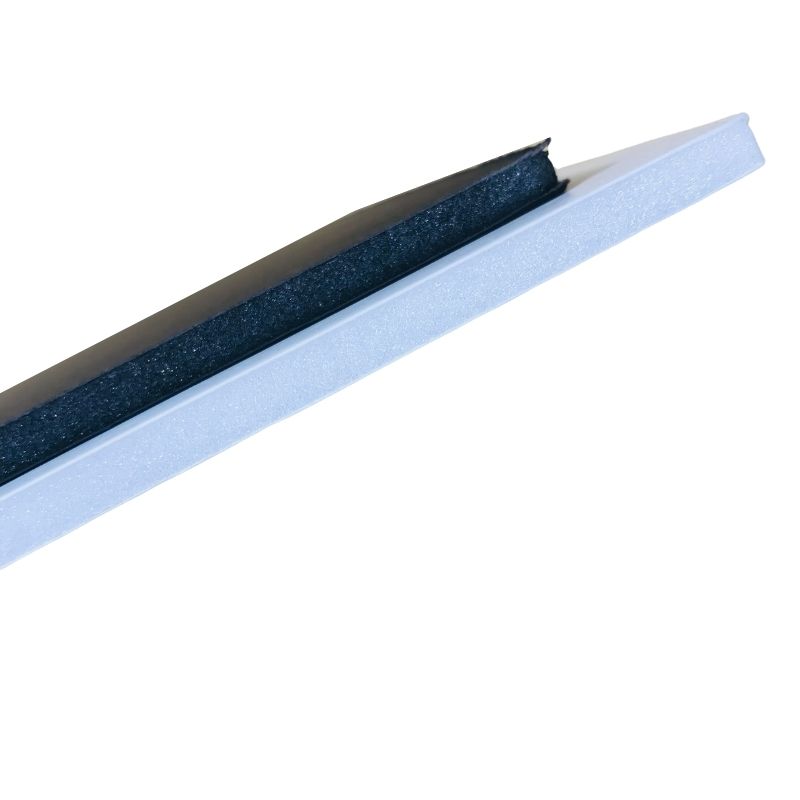
When designers and facility managers evaluate materials for high-traffic public environments, the acrylic sheet consistently emerges as a leading candidate. From transit hubs and shopping centers to hospitals and educational facilities, the acrylic sheet must endure constant physical contact, fluctuating temperatures, UV exposure, and repeated cleaning cycles without compromising visual clarity or structural integrity. Understanding exactly how an acrylic sheet performs under these demanding conditions is essential for making sound, long-term material decisions.
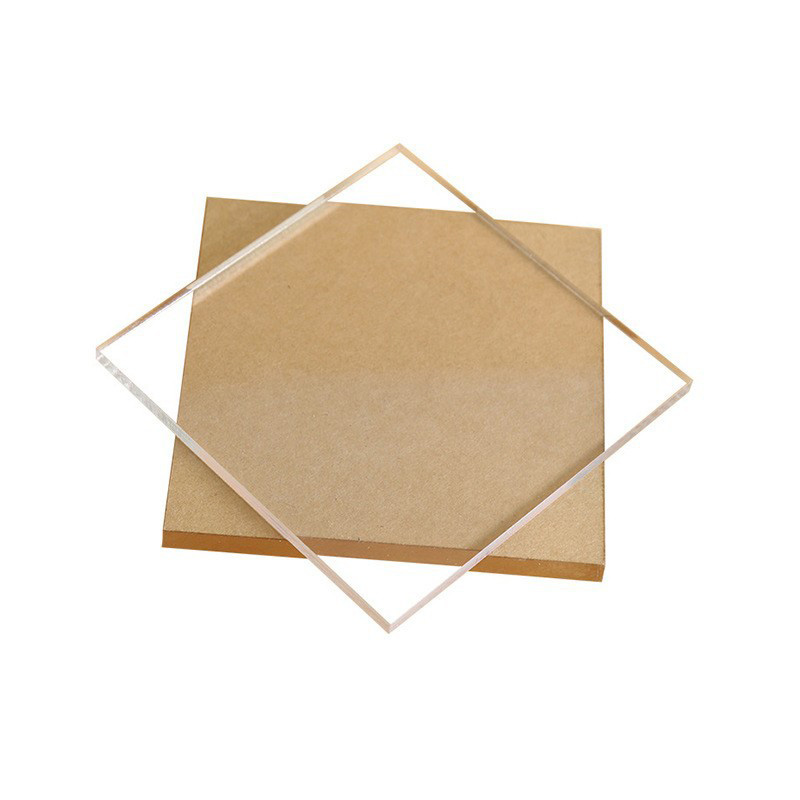
The acrylic sheet offers a compelling combination of optical transparency, impact resistance, and workability that sets it apart from glass and other polymer alternatives in public-space applications. This article examines three critical performance dimensions — durability and physical resilience, safety and compliance characteristics, and long-term maintenance behavior — to give procurement teams, architects, and facility operators a clear, evidence-based picture of what an acrylic sheet can realistically deliver in environments where foot traffic and public interaction never stop.
Durability and Physical Resilience of Acrylic Sheet
Impact Resistance Under Constant Use
One of the primary reasons the acrylic sheet is specified for public spaces is its superior impact resistance compared to standard glass. An acrylic sheet can absorb significantly greater mechanical force before fracturing, making it a far safer choice in areas prone to accidental collisions, vandalism attempts, or heavy object contact. Bus shelters, protective barriers, display cases, and partition walls all benefit from the acrylic sheet's ability to flex slightly under stress rather than shattering into dangerous shards. This resilience directly reduces maintenance costs and safety liabilities over the installation's lifetime.
In high-traffic zones, an acrylic sheet is exposed daily to pushing, leaning, cleaning tool contact, and occasional impact from luggage or equipment. The acrylic sheet maintains structural integrity through these recurring stresses when the correct grade and thickness are selected. Cast acrylic sheet grades generally offer better long-term dimensional stability and surface hardness than extruded variants, which is a meaningful distinction in environments where the acrylic sheet faces continuous mechanical demand.
Temperature and UV Stability in Public Environments
Public spaces such as atriums, airport terminals, and covered walkways expose the acrylic sheet to both natural and artificial light for extended periods. UV-stabilized acrylic sheet grades resist yellowing and surface degradation even under prolonged exposure, preserving the visual clarity that makes the acrylic sheet attractive in transparent barrier and glazing applications. Without UV stabilization, an acrylic sheet may discolor over time, reducing aesthetic quality and necessitating premature replacement — a costly outcome in large-scale public installations.
Thermal cycling is another environmental stressor relevant to the acrylic sheet in outdoor-adjacent or climate-variable public spaces. The acrylic sheet expands and contracts with temperature change, and installations must account for this through properly designed expansion gaps and mounting systems. When the acrylic sheet is correctly installed with these tolerances, thermal cycling does not compromise panel integrity even in environments with pronounced seasonal temperature swings.
Safety and Compliance Characteristics
Breakage Behavior and Public Safety
The safety profile of the acrylic sheet is a decisive factor in public-space specification. Unlike glass, when an acrylic sheet does fracture under extreme force, it typically breaks into large, relatively blunt pieces rather than fine, sharp fragments. This breakage pattern significantly reduces the risk of laceration injuries to bystanders — a critical consideration in crowded environments where rapid evacuation or emergency response may be required. The acrylic sheet is therefore widely preferred over glass for overhead signage, sneeze guards, ticketing barriers, and safety screens in public venues.
In certain public-space applications, the acrylic sheet must also meet fire-retardant standards. Flame-retardant grades of the acrylic sheet are available that self-extinguish when the ignition source is removed, allowing specifiers to comply with building codes without abandoning the optical and functional advantages the acrylic sheet provides. Matching the correct acrylic sheet grade to the applicable safety standard is essential during the design phase rather than as an afterthought.
Chemical and Cleaning Agent Resistance
Public facilities require frequent sanitization, and the acrylic sheet must tolerate repeated exposure to cleaning agents. Mild soap solutions and water-based cleaners are fully compatible with the acrylic sheet's surface chemistry. However, the acrylic sheet is susceptible to surface crazing or cloudiness when exposed to strong solvents, alcohol-based disinfectants at high concentrations, or aromatic chemicals. In healthcare settings or environments using aggressive sanitation protocols, specifying a chemically resistant coating or selecting a purpose-formulated acrylic sheet grade helps maintain surface quality and extends service life.
Long-Term Maintenance and Life Cycle Considerations
Surface Scratch Resistance and Restoration
The acrylic sheet is softer than glass, which means it is more susceptible to surface scratching under abrasive contact. In high-traffic public spaces, the acrylic sheet surface may accumulate fine scratches from cleaning cloths, keys, or other hard objects over time. However, the acrylic sheet has a notable advantage over glass and many rigid plastics: minor scratches can be polished out using appropriate buffing compounds, restoring the acrylic sheet to near-original clarity without panel replacement. This repairability makes the acrylic sheet a cost-effective long-term material choice when a proactive maintenance program is in place.
Scratch-resistant hard-coated acrylic sheet variants are also available for applications where surface abrasion risk is particularly high. These coated versions of the acrylic sheet maintain optical clarity longer under aggressive use conditions, reducing the frequency of polishing or replacement interventions needed over the installation's life cycle.
Cleaning Protocols and Maintenance Efficiency
Maintaining the acrylic sheet in public spaces is straightforward when the correct procedures are followed. Soft, lint-free cloths and pH-neutral cleaning solutions are the standard recommendation for the acrylic sheet to avoid surface damage. Anti-static treatments can be applied to the acrylic sheet to reduce dust attraction, which is particularly useful in high-footfall areas where particulate accumulation is constant. With a disciplined maintenance protocol, the acrylic sheet retains its appearance and functional performance for many years, supporting a favorable life-cycle cost profile relative to glass or polycarbonate alternatives in comparable applications.
FAQ
How thick should an acrylic sheet be for high-traffic barrier applications?
For high-traffic barriers such as ticket counters or protective screens, an acrylic sheet thickness of 6 mm to 12 mm is typically specified depending on panel dimensions and the level of impact risk anticipated. Larger unsupported spans generally require a thicker acrylic sheet to maintain rigidity and safety. Always consult load and deflection guidelines when specifying the acrylic sheet for structural or semi-structural barrier roles.
Can an acrylic sheet be used outdoors in public spaces?
Yes, a UV-stabilized acrylic sheet is well suited for outdoor public-space applications including bus shelters, canopy glazing, and signage. The acrylic sheet must be specified in a UV-resistant grade to prevent yellowing and surface degradation from prolonged sunlight exposure. Proper installation with expansion allowances also ensures the acrylic sheet performs reliably through seasonal temperature variation outdoors.
How does an acrylic sheet compare to polycarbonate in public spaces?
The acrylic sheet offers superior optical clarity and better long-term UV resistance compared to polycarbonate, while polycarbonate provides higher impact resistance in extreme-force scenarios. For most standard public-space applications — signage, barriers, display cases, and partitions — the acrylic sheet delivers an excellent balance of visual quality, durability, and ease of maintenance, making it the preferred choice where clarity and aesthetics are primary priorities.