 EN
EN

The construction and manufacturing industries are witnessing a revolutionary transformation in material selection, with PVC foam board emerging as a versatile solution that combines durability, lightweight properties, and exceptional design flexibility. This advanced material has transcended traditional applications, offering architects, designers, and fabricators unprecedented opportunities to create stunning visual effects through innovative finishes and textures. Modern PVC foam board represents a significant leap forward from conventional materials, providing superior performance characteristics while maintaining cost-effectiveness and environmental sustainability.
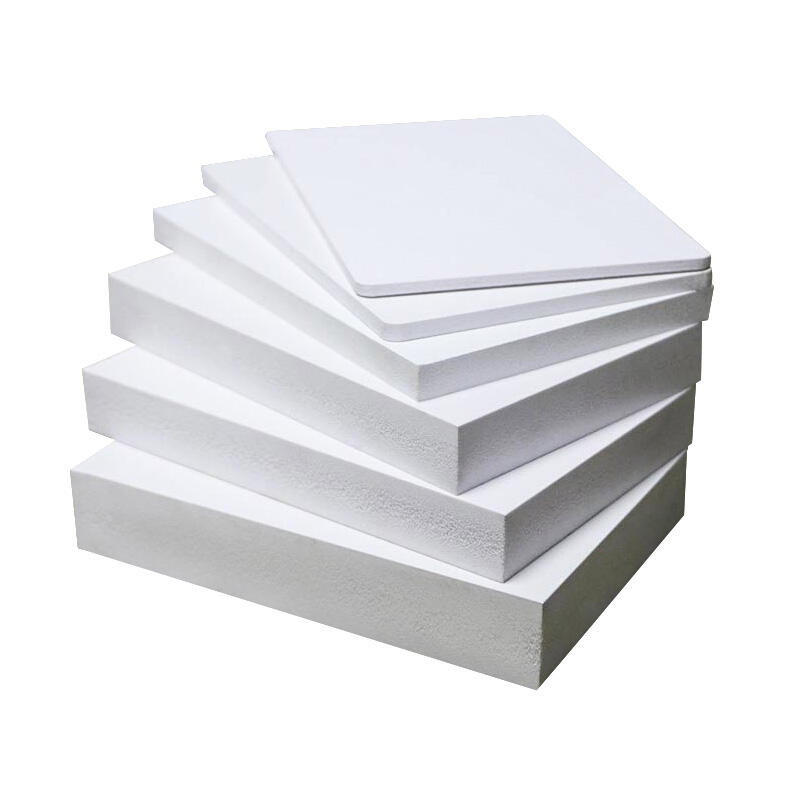
Contemporary surface treatment technologies have revolutionized how PVC foam board can be finished and textured, opening new possibilities for creative expression and functional applications. These cutting-edge techniques allow manufacturers to produce boards with surfaces that mimic natural materials, create unique aesthetic effects, or enhance specific performance characteristics. The evolution of finishing technologies has made it possible to achieve previously unattainable levels of detail and sophistication in PVC foam board applications.
Advanced Surface Treatment Technologies
Digital Printing and Graphics Applications
Digital printing technology has transformed the aesthetic possibilities for PVC foam board, allowing for high-resolution graphics, photorealistic images, and complex designs to be applied directly to the surface. Advanced UV-curable inks provide exceptional durability and color vibrancy, ensuring that printed designs maintain their appearance under various environmental conditions. This technology enables architects and designers to create custom graphics, branding elements, or decorative patterns that would be impossible to achieve through traditional manufacturing methods.
The precision of modern digital printing systems allows for intricate details and smooth color gradients on PVC foam board surfaces. These capabilities have expanded the material's applications into retail displays, exhibition stands, and architectural elements where visual impact is paramount. The compatibility of PVC foam board with various printing technologies ensures consistent results across different production runs and applications.
Embossing and Texture Creation
Mechanical embossing techniques create three-dimensional textures on PVC foam board surfaces, adding tactile qualities and visual interest to finished products. These processes can simulate natural materials such as wood grain, stone patterns, or leather textures, providing designers with alternatives that offer the aesthetic appeal of natural materials while maintaining the practical advantages of PVC foam board. Advanced embossing equipment can create intricate patterns with varying depths and complexities.
Heat embossing represents another innovative approach to texture creation, utilizing controlled temperature and pressure to form permanent surface patterns. This technique allows for the creation of custom textures that enhance both the visual appeal and functional properties of PVC foam board. The resulting textures can improve grip characteristics, create anti-slip surfaces, or provide visual guidance elements for accessibility applications.
Innovative Coating Systems and Surface Modifications
Protective and Functional Coatings
Modern coating technologies have introduced specialized formulations that enhance the performance characteristics of PVC foam board while providing unique surface finishes. Anti-bacterial coatings create hygienic surfaces suitable for healthcare and food service applications, while UV-resistant formulations extend the lifespan of outdoor installations. These functional coatings can be applied without compromising the lightweight nature or workability of the base material.
Scratch-resistant and chemical-resistant coatings provide additional protection for PVC foam board in demanding environments. These specialized surface treatments maintain their protective properties while offering various aesthetic options, from high-gloss finishes to matte textures. The application of these coatings requires precise control of environmental conditions and curing processes to ensure optimal adhesion and performance.
Decorative Lamination Techniques
Advanced lamination processes allow for the application of decorative films and overlays that dramatically transform the appearance of PVC foam board. These techniques can incorporate metallic finishes, holographic effects, or specialty materials that create unique visual properties. The lamination process ensures strong adhesion between the decorative layer and the substrate, creating a durable composite material with enhanced aesthetic appeal.
Multi-layer lamination systems enable the creation of complex surface structures that combine multiple functional and aesthetic elements. These sophisticated approaches to surface modification allow designers to achieve specific performance requirements while maintaining design flexibility. The resulting products offer enhanced durability, improved appearance retention, and resistance to environmental factors that might degrade lesser materials.
Specialized Texture Applications and Industry Uses
Architectural and Construction Applications
In architectural applications, textured PVC foam board serves as an innovative alternative to traditional building materials. Advanced texturing techniques can create surfaces that closely resemble natural stone, brick, or timber, providing architects with design flexibility while maintaining the practical advantages of synthetic materials. These applications benefit from the material's resistance to moisture, temperature variations, and UV exposure.
The construction industry has embraced textured PVC foam board for both interior and exterior applications where durability and low maintenance are priorities. Custom textures can be developed to meet specific project requirements, including slip-resistant surfaces for walkways, decorative panels for facade systems, and specialized textures for acoustic applications. The versatility of PVC foam board allows for complex geometries and custom fabrication to meet unique architectural challenges.
Signage and Display Industry Innovations
The signage industry has leveraged advanced finishing techniques to create compelling visual displays using PVC foam board as the substrate. Specialized textures and finishes enhance readability, create visual depth, and improve the overall impact of signage systems. These applications often combine multiple finishing techniques to achieve specific aesthetic and functional objectives.
Exhibition and display applications benefit from the lightweight nature of PVC foam board while taking advantage of sophisticated surface treatments to create premium appearances. The material's compatibility with various mounting and connection systems makes it ideal for temporary installations that require easy assembly and disassembly. Advanced finishes ensure that display elements maintain their appearance throughout extended use periods.
Manufacturing Processes and Quality Control
Production Technology Advancements
Modern manufacturing facilities employ sophisticated equipment and processes to ensure consistent quality in finished PVC foam board products. Automated systems control temperature, pressure, and timing parameters with exceptional precision, resulting in uniform texture patterns and finish characteristics across entire production runs. These technological advances have reduced variability and improved the reliability of finished products.
Quality control systems incorporate advanced inspection technologies that detect surface irregularities, color variations, and other defects that could affect the final product performance. Real-time monitoring systems allow for immediate adjustments to production parameters, ensuring that finished PVC foam board meets stringent quality standards. These systems are particularly important for applications where surface appearance is critical to product acceptance.
Environmental Considerations and Sustainability
Environmental responsibility has become a key consideration in the development of finishing processes for PVC foam board. Water-based coating systems, low-VOC formulations, and recyclable materials are increasingly utilized to minimize environmental impact while maintaining performance standards. These sustainable approaches align with growing industry demands for environmentally responsible products.
Energy-efficient manufacturing processes reduce the carbon footprint associated with PVC foam board production while maintaining product quality. Advanced curing systems, optimized material usage, and waste reduction strategies contribute to more sustainable manufacturing practices. These environmental considerations are increasingly important factors in material selection decisions across various industries.
Future Trends and Technological Developments
Emerging Technologies and Applications
Research and development efforts continue to expand the possibilities for surface treatment of PVC foam board, with emerging technologies promising even greater design flexibility and performance enhancement. Nanotechnology applications are being explored to create surfaces with self-cleaning properties, enhanced durability, or specialized functional characteristics. These advanced approaches represent the next generation of surface modification technologies.
Smart surface technologies are being developed that can change properties in response to environmental conditions or user inputs. These innovative applications could enable PVC foam board products to adapt to changing requirements or provide interactive capabilities. While still in development, these technologies represent exciting possibilities for future applications of finished PVC foam board products.
Market Evolution and Industry Adoption
The market for finished and textured PVC foam board continues to expand as industries recognize the benefits of advanced surface treatments. Growing demand for customization and specialized performance characteristics drives continued innovation in finishing technologies. This market evolution supports ongoing investment in research and development of new techniques and applications.
Industry adoption of advanced finishing techniques for PVC foam board reflects broader trends toward material optimization and performance enhancement. Companies across various sectors are discovering that sophisticated surface treatments can provide competitive advantages while meeting increasingly demanding application requirements. This trend supports continued growth in the market for finished PVC foam board products.
FAQ
What are the most durable finishing options for outdoor PVC foam board applications
The most durable finishing options for outdoor applications include UV-resistant coatings, weather-resistant laminates, and specialized surface treatments designed to withstand temperature variations and moisture exposure. These finishes typically incorporate advanced polymer formulations that maintain their properties under challenging environmental conditions. Proper surface preparation and application techniques are essential for achieving maximum durability in outdoor installations.
How do textured surfaces affect the workability of PVC foam board
Textured surfaces generally do not significantly impact the workability of PVC foam board, as the base material retains its machining and fabrication characteristics. However, certain finishing operations may require specialized tools or techniques to avoid damage to surface textures. Most standard fabrication processes, including cutting, drilling, and forming, can be performed on textured PVC foam board with appropriate considerations for the surface treatment.
Can custom textures be developed for specific PVC foam board applications
Yes, custom textures can be developed for specific applications through collaboration with specialized finishing companies. The development process typically involves creating sample textures, testing for performance characteristics, and refining the design to meet specific requirements. Custom texture development may require minimum order quantities and longer lead times but provides unique solutions for specialized applications.
What maintenance requirements exist for finished PVC foam board products
Maintenance requirements for finished PVC foam board products vary depending on the specific surface treatment and application environment. Generally, regular cleaning with mild detergents and water is sufficient for most finished surfaces. Some specialized coatings may require specific cleaning products or procedures to maintain their appearance and performance characteristics. Proper maintenance helps ensure long-term durability and appearance retention of finished PVC foam board installations.