see thru mirror acrylic sheet
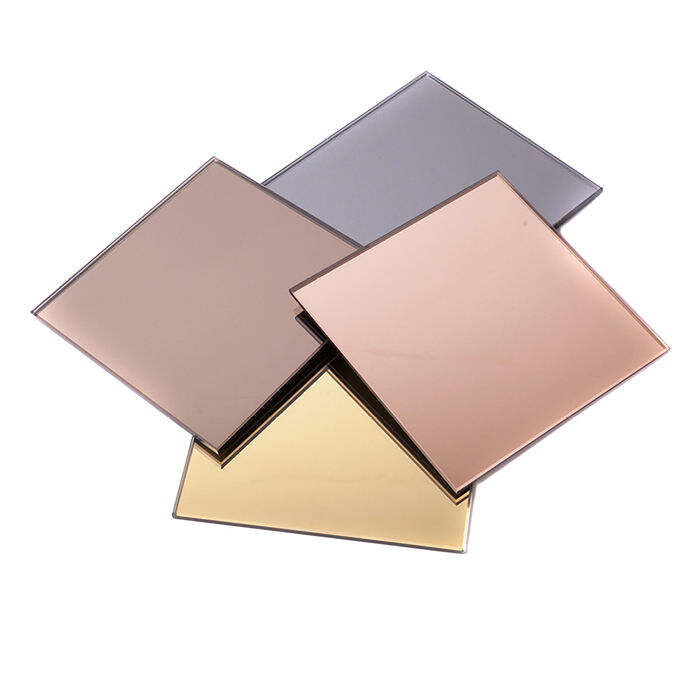
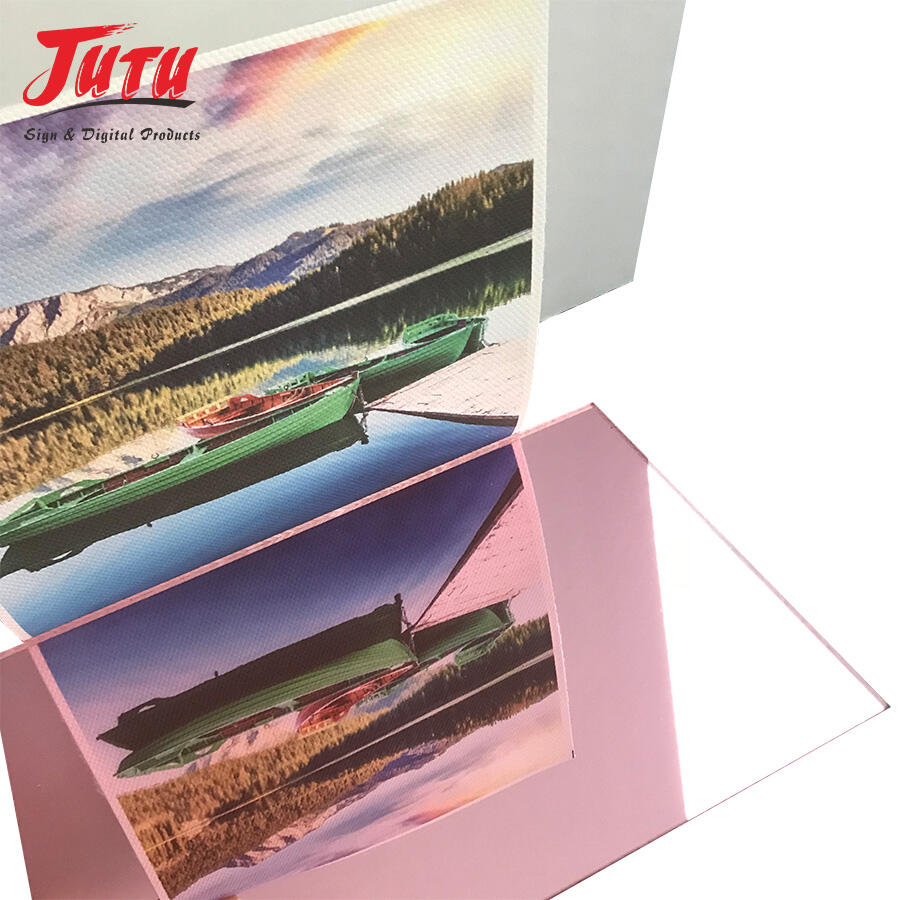
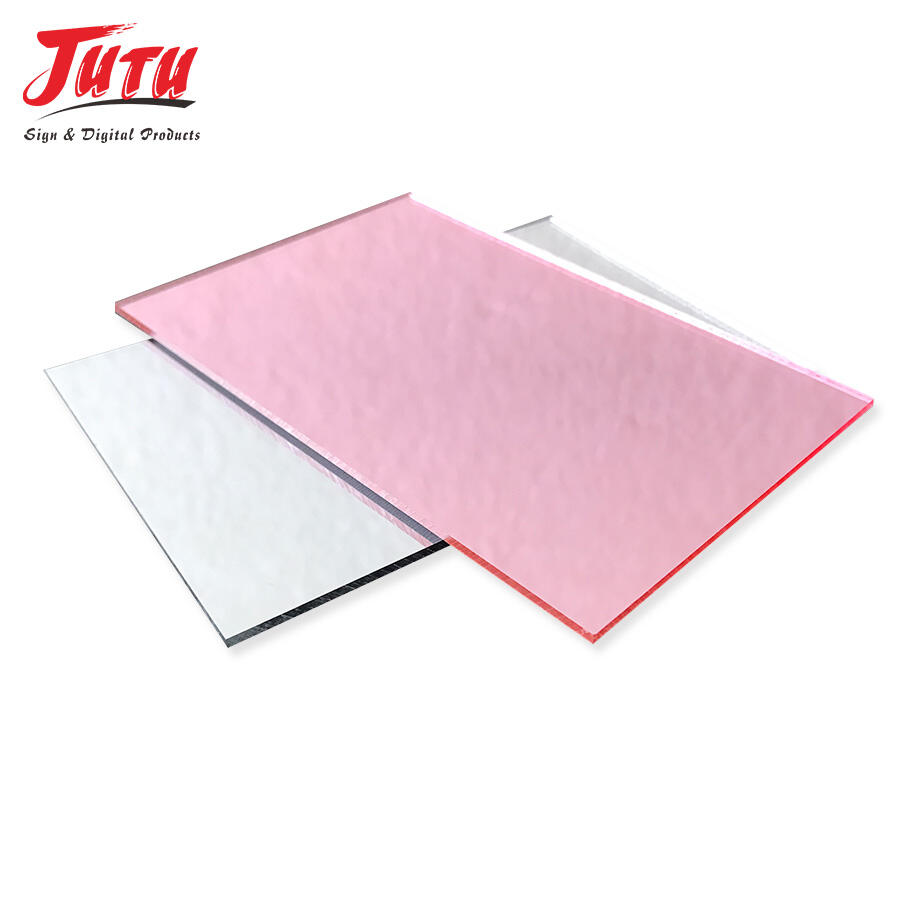
See thru mirror acrylic sheet represents a revolutionary advancement in transparent material technology, combining the reflective properties of traditional mirrors with the clarity and durability of high-grade acrylic plastic. This innovative material features a specialized coating that creates a one-way mirror effect, allowing visibility from one side while maintaining a reflective surface on the other. The see thru mirror acrylic sheet utilizes advanced optical engineering to achieve precise light transmission ratios, typically ranging from 10% to 30% transparency depending on the specific application requirements. The manufacturing process involves applying thin metallic films or specialized coatings to premium acrylic substrates, creating a balanced optical performance that serves multiple functions simultaneously. The technological foundation of see thru mirror acrylic sheet relies on carefully controlled light reflection and transmission properties, where the darker side becomes transparent while the lighter side maintains its mirror characteristics. This dual functionality makes it an ideal solution for security applications, architectural installations, and decorative projects where both privacy and visibility are essential. The material demonstrates exceptional weather resistance, maintaining its optical properties even under extreme temperature variations and UV exposure. Unlike traditional glass mirrors, see thru mirror acrylic sheet offers superior impact resistance and flexibility, reducing the risk of breakage and making installation safer and more manageable. The applications span across numerous industries, including retail environments for security monitoring, residential installations for privacy solutions, commercial buildings for aesthetic enhancement, and automotive industries for specialized window applications. The versatility of see thru mirror acrylic sheet extends to custom fabrication possibilities, allowing for precise cutting, drilling, and shaping to meet specific project requirements while maintaining its unique optical characteristics.
 EN
EN