Complete Guide to PVC Foam Board Thickness: Selection, Benefits, and Applications

Get a Free Quote

Our representative will contact you soon.
Email
Name
Company Name
Message
0/1000

pvc foam board thickness

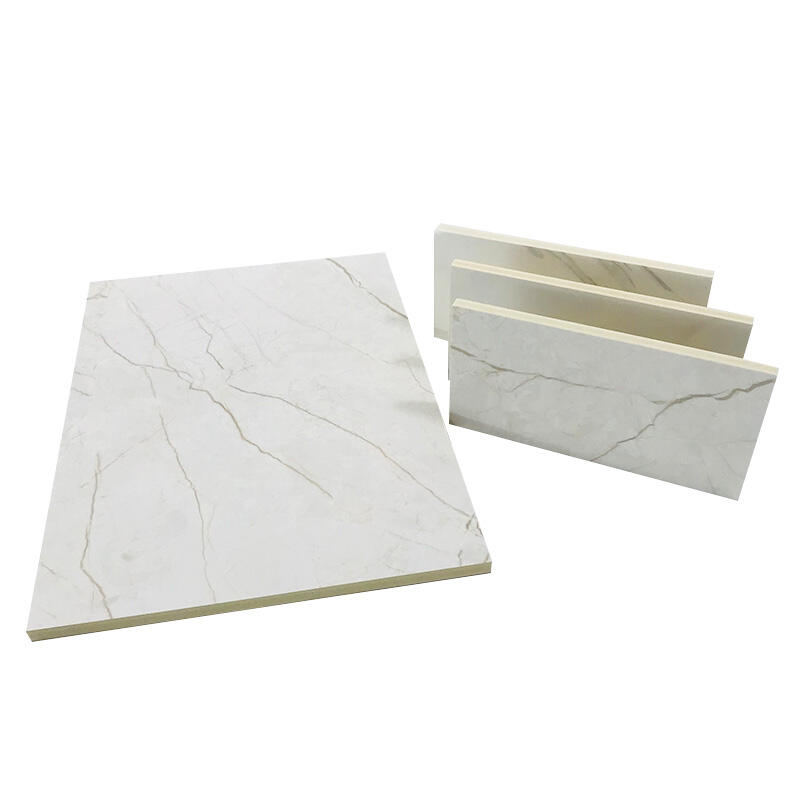
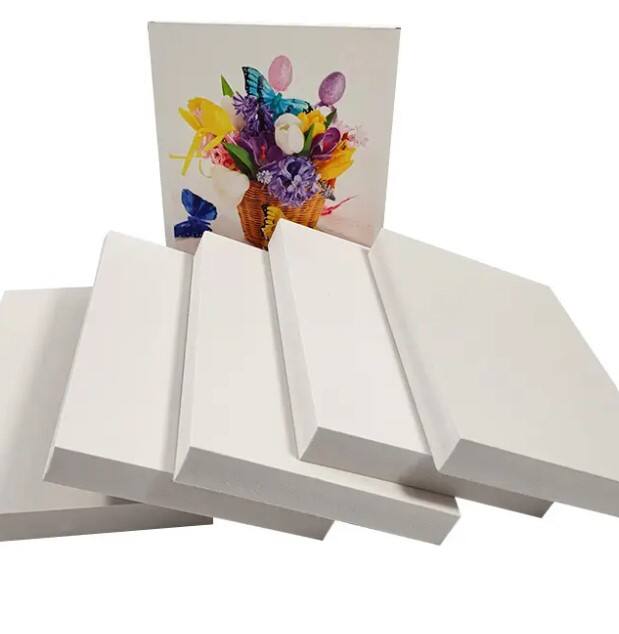
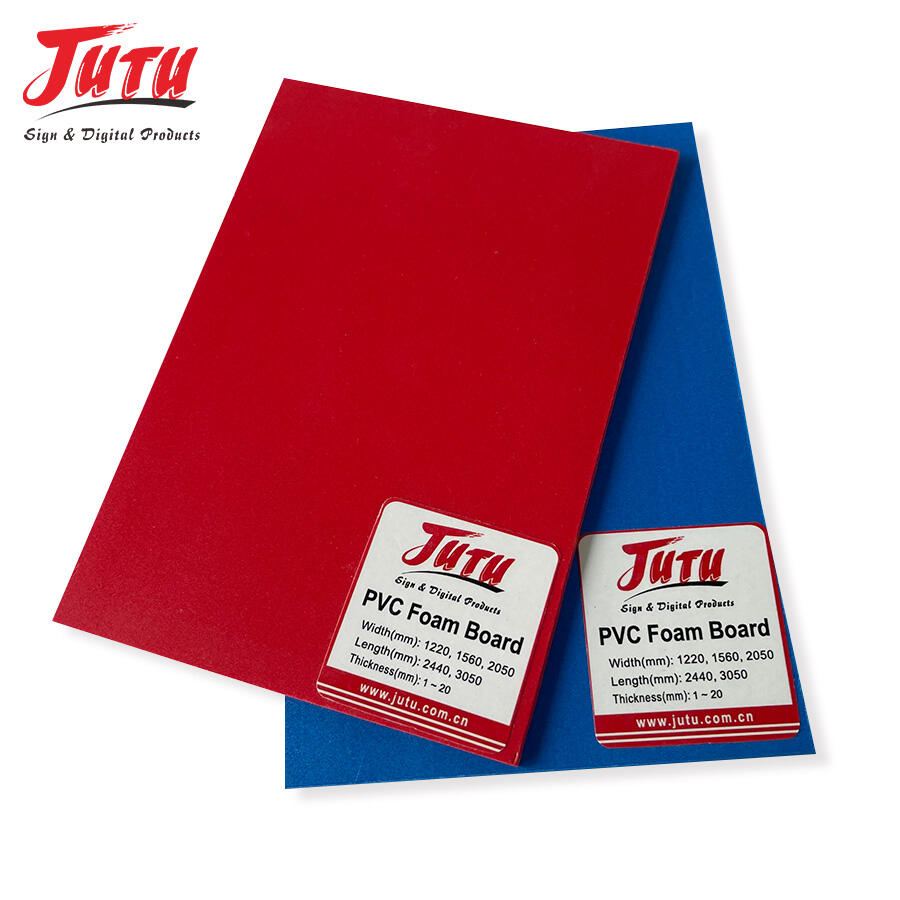
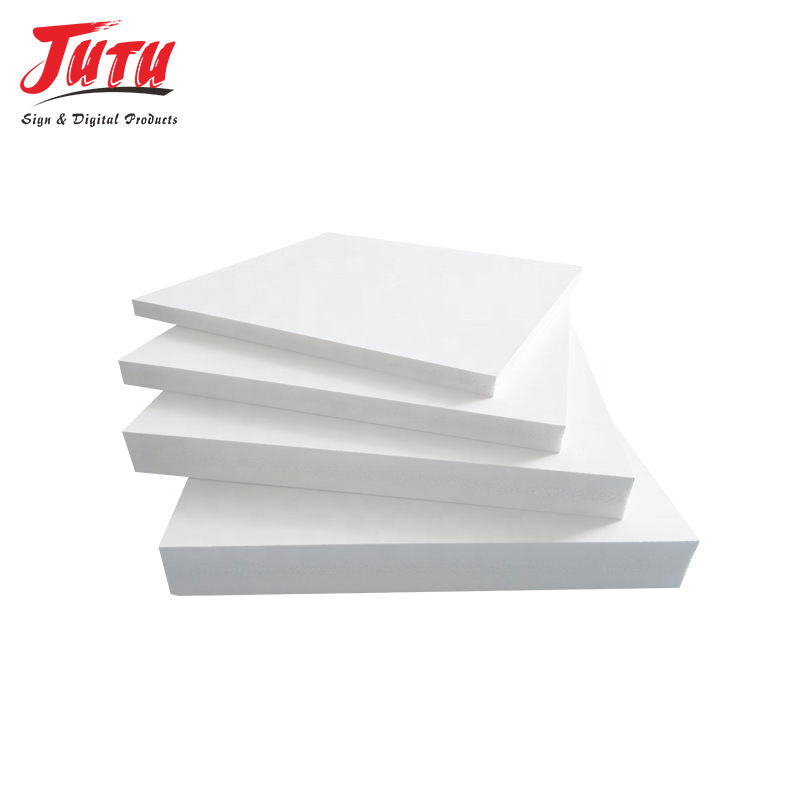
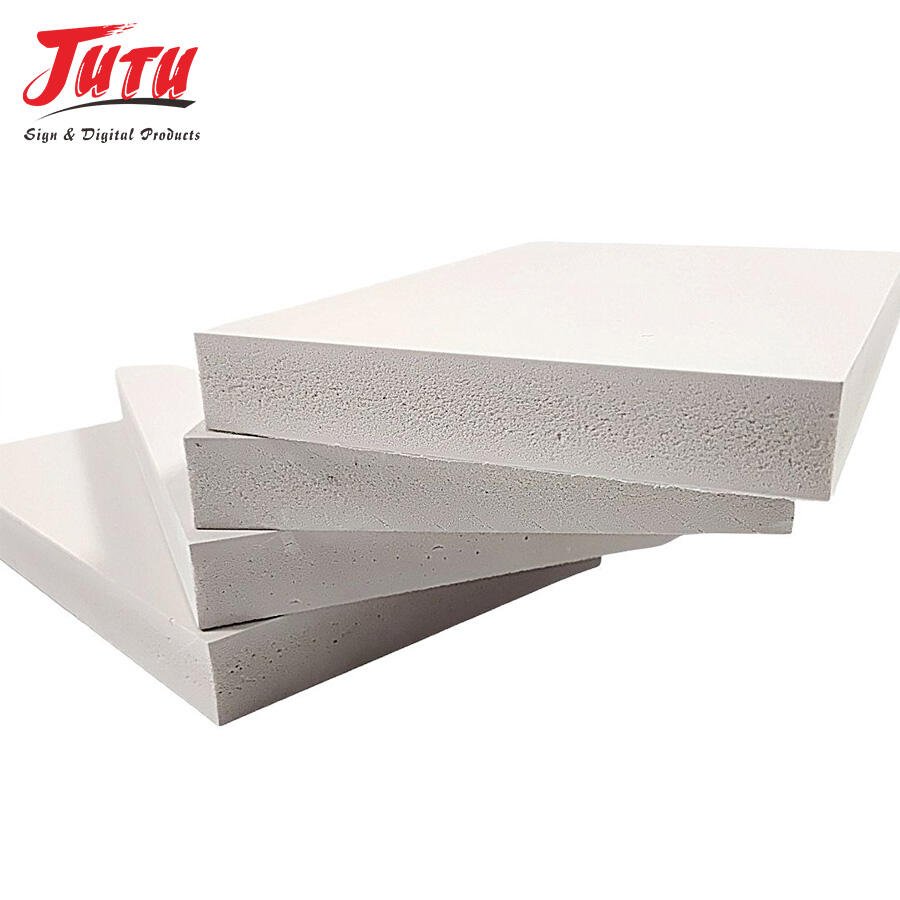
PVC foam board thickness represents a crucial specification that determines the performance, durability, and application suitability of polyvinyl chloride foam panels. Available in a comprehensive range from 1mm to 30mm, pvc foam board thickness directly influences the material's structural integrity, insulation properties, and load-bearing capacity. These lightweight yet robust panels are manufactured through an advanced foam extrusion process that creates a closed-cell structure, resulting in excellent dimensional stability and consistent thickness throughout the entire board surface. The technological features of pvc foam board thickness include superior chemical resistance, outstanding weatherability, and exceptional workability that allows for easy cutting, drilling, and shaping without compromising structural integrity. The closed-cell foam core provides excellent thermal insulation properties while maintaining remarkable strength-to-weight ratios across different thickness specifications. Applications for various pvc foam board thickness options span multiple industries, including construction, signage, marine applications, furniture manufacturing, and transportation sectors. Thinner boards ranging from 1-5mm are ideal for graphic displays, cabinet doors, and lightweight partition systems, while medium thickness boards between 6-15mm excel in architectural cladding, exhibition stands, and modular construction applications. Thicker specifications from 16-30mm provide enhanced structural support for heavy-duty applications such as boat building, industrial equipment housings, and load-bearing architectural elements. The versatility of pvc foam board thickness options enables manufacturers and fabricators to select the optimal specification for their specific requirements, ensuring cost-effectiveness while maintaining performance standards. Each thickness variant maintains consistent density and cellular structure, guaranteeing uniform performance characteristics regardless of the chosen specification for any given application.

Popular Products

The primary advantage of selecting the appropriate pvc foam board thickness lies in achieving optimal performance while maximizing cost efficiency for specific applications. Thicker boards provide enhanced structural strength and rigidity, making them perfect for load-bearing applications where durability is paramount. The increased thickness delivers superior impact resistance and dimensional stability under varying environmental conditions, ensuring long-term performance reliability. Conversely, thinner pvc foam board thickness options offer significant weight savings and material cost reductions without sacrificing essential performance characteristics for lighter-duty applications. The modular approach to thickness selection allows designers and engineers to precisely match material specifications to structural requirements, eliminating over-engineering and unnecessary material costs. Another substantial advantage involves the excellent machinability across all pvc foam board thickness ranges, enabling precise fabrication using standard woodworking tools and techniques. This versatility significantly reduces processing costs and eliminates the need for specialized equipment or complex manufacturing procedures. The uniform cell structure maintained throughout different thickness specifications ensures consistent surface quality and finish appearance, critical for visible applications in architectural and display industries. The lightweight nature of pvc foam board thickness options, regardless of specification, dramatically reduces installation complexity and labor costs compared to traditional materials like solid wood or metal panels. Transportation and handling benefits become increasingly important for large-scale projects where material weight directly impacts logistics costs and installation efficiency. The moisture resistance inherent in all pvc foam board thickness variants eliminates concerns about dimensional changes due to humidity fluctuations, ensuring stable performance in diverse environmental conditions. Fire retardant properties built into the material formulation provide additional safety benefits across all thickness specifications, meeting stringent building codes and safety regulations. The chemical resistance of pvc foam board thickness options enables use in challenging environments where exposure to cleaning agents, solvents, or industrial chemicals would damage conventional materials. This durability translates into reduced maintenance requirements and extended service life, delivering exceptional value over the product lifecycle. The smooth, non-porous surface across all thickness options facilitates easy cleaning and maintenance while providing an excellent substrate for various finishing techniques including painting, laminating, and vinyl application.

Practical Tips

Why Honeycomb Board Furniture is Taking the Market by Storm

07

Nov

Why Honeycomb Board Furniture is Taking the Market by Storm

Introduction to Honeycomb Board Furniture Honeycomb board furniture has rapidly gained popularity across the global furniture industry due to its combination of lightweight design, high strength, and sustainability. Made from paper, aluminum, or comp...
View More
Durability and Clarity: What to Expect from Acrylic Board Manufacturers

07

Nov

Durability and Clarity: What to Expect from Acrylic Board Manufacturers

Acrylic boards offer unmatched strength and transparency. You can rely on their unique material properties to withstand impacts and maintain clarity over time. Advanced manufacturing techniques enhance their durability and clarity, making them ideal ...
View More
Honeycomb Board Furniture: A New Dimension in Comfort

07

Nov

Honeycomb Board Furniture: A New Dimension in Comfort

Imagine furniture that's lightweight, durable, and eco-friendly. Honeycomb Board Furniture is revolutionizing how you think about design and sustainability. Its unique structure offers endless possibilities for modern living. You’ll love how it...
View More
PP Corrugated Sheets for Temporary Structures and Event Signage

06

Jan

PP Corrugated Sheets for Temporary Structures and Event Signage

PP corrugated sheets have emerged as a revolutionary material in the construction and signage industries, offering unparalleled versatility for temporary structures and event displays. These lightweight yet durable plastic sheets provide an ideal sol...
View More

Get a Free Quote

Our representative will contact you soon.
Email
Name
Company Name
Message
0/1000

pvc foam board thickness

Superior Structural Integrity Through Optimized Thickness Selection

Superior Structural Integrity Through Optimized Thickness Selection

The structural performance of pvc foam board thickness directly correlates with the specific thickness chosen for each application, providing engineers and designers with unprecedented flexibility in matching material properties to structural requirements. Thicker specifications, particularly those ranging from 15mm to 30mm, deliver exceptional load-bearing capacity and flexural strength that rivals traditional construction materials while maintaining significantly lower weight characteristics. This enhanced structural integrity stems from the advanced closed-cell foam core technology that distributes loads evenly throughout the board thickness, preventing localized stress concentrations that could lead to material failure. The consistent density profile maintained across the entire pvc foam board thickness ensures uniform stress distribution and predictable mechanical properties, enabling precise engineering calculations and reliable structural design. Furthermore, the rigid foam core structure provides excellent resistance to compression and deformation under sustained loading conditions, making thicker boards ideal for applications requiring long-term structural stability. The dimensional stability inherent in properly selected pvc foam board thickness prevents warping, bowing, or dimensional changes that commonly affect natural materials when exposed to temperature fluctuations or moisture variations. This stability proves particularly valuable in architectural applications where maintaining precise tolerances is critical for proper fit and finish. The impact resistance provided by appropriate thickness selection significantly exceeds that of many traditional materials, offering protection against accidental damage during installation and service life. Additionally, the structural advantages extend to vibration damping properties, where the foam core structure effectively absorbs and dissipates mechanical vibrations that could cause fatigue failure in other materials. The modular nature of thickness selection allows for optimized material usage, where different thicknesses can be strategically employed within a single project to provide reinforcement where needed while minimizing material costs in less critical areas.
Enhanced Thermal and Acoustic Performance Across Thickness Ranges

Enhanced Thermal and Acoustic Performance Across Thickness Ranges

The thermal insulation properties of pvc foam board thickness create significant energy efficiency benefits that increase proportionally with board thickness, making proper selection crucial for temperature-sensitive applications. The closed-cell foam structure inherent in all thickness specifications provides excellent thermal barrier properties, with thicker boards delivering correspondingly higher R-values that contribute to reduced energy consumption in building applications. This thermal performance advantage becomes particularly pronounced in applications requiring temperature control, where the appropriate pvc foam board thickness can significantly reduce heating and cooling costs over the product lifecycle. The consistent cellular structure maintained throughout different thickness options ensures predictable thermal conductivity values, enabling precise thermal calculations for HVAC system sizing and energy efficiency modeling. Beyond thermal properties, the acoustic performance of pvc foam board thickness provides substantial sound dampening benefits that increase with board thickness, making thicker specifications ideal for noise control applications in commercial and residential environments. The sound absorption characteristics of the foam core effectively reduce both airborne and structure-borne noise transmission, creating more comfortable environments while meeting increasingly strict acoustic performance standards. The combination of thermal and acoustic properties makes strategic thickness selection particularly valuable in applications such as partition walls, equipment enclosures, and architectural panels where multiple performance criteria must be satisfied simultaneously. The lightweight nature of even the thickest pvc foam board specifications ensures that enhanced thermal and acoustic performance does not come at the expense of structural loading or installation complexity. Additionally, the non-hygroscopic properties of the material prevent moisture absorption that could degrade thermal performance over time, ensuring consistent insulation values throughout the service life regardless of environmental conditions. The chemical inertness of pvc foam board thickness options prevents off-gassing or degradation that could compromise indoor air quality, making these materials particularly suitable for sensitive environments such as healthcare facilities and food service applications.
Versatile Processing and Fabrication Capabilities Optimized by Thickness

Versatile Processing and Fabrication Capabilities Optimized by Thickness

The fabrication advantages of pvc foam board thickness extend across the entire specification range, offering unique processing capabilities that vary with thickness to meet diverse manufacturing requirements. Thinner boards, typically ranging from 1mm to 5mm, provide exceptional flexibility for applications requiring curved or formed surfaces, while maintaining sufficient rigidity for structural applications when properly supported. These thinner pvc foam board thickness options excel in applications requiring thermoforming, where the material can be heated and shaped into complex three-dimensional forms without compromising surface quality or structural integrity. The processing versatility increases with thickness selection, where medium-range specifications between 6mm and 15mm offer the optimal balance of workability and structural performance for most general applications. Standard woodworking tools and techniques remain effective across all pvc foam board thickness ranges, eliminating the need for specialized equipment and reducing fabrication costs significantly compared to alternative materials. The consistent density and cellular structure maintained throughout different thickness specifications ensure predictable cutting and machining characteristics, enabling precise dimensional control and smooth edge finishes essential for professional applications. Thicker boards, particularly those exceeding 20mm, provide enhanced stability during machining operations while offering sufficient material thickness for complex joint configurations and mechanical fastening systems. The excellent dimensional stability of pvc foam board thickness options prevents material movement during fabrication processes, ensuring accurate final dimensions and proper fit in assembly applications. Chemical resistance properties inherent in all thickness specifications enable the use of various adhesives, solvents, and finishing materials without concern for substrate degradation or compatibility issues. The smooth, uniform surface quality maintained across all pvc foam board thickness options provides an excellent substrate for various finishing techniques, including direct printing, lamination, and coating applications that enhance both appearance and performance characteristics. Furthermore, the lightweight nature of even the thickest specifications simplifies handling and reduces worker fatigue during fabrication and installation processes, contributing to improved productivity and reduced labor costs across all manufacturing operations.