 EN
EN

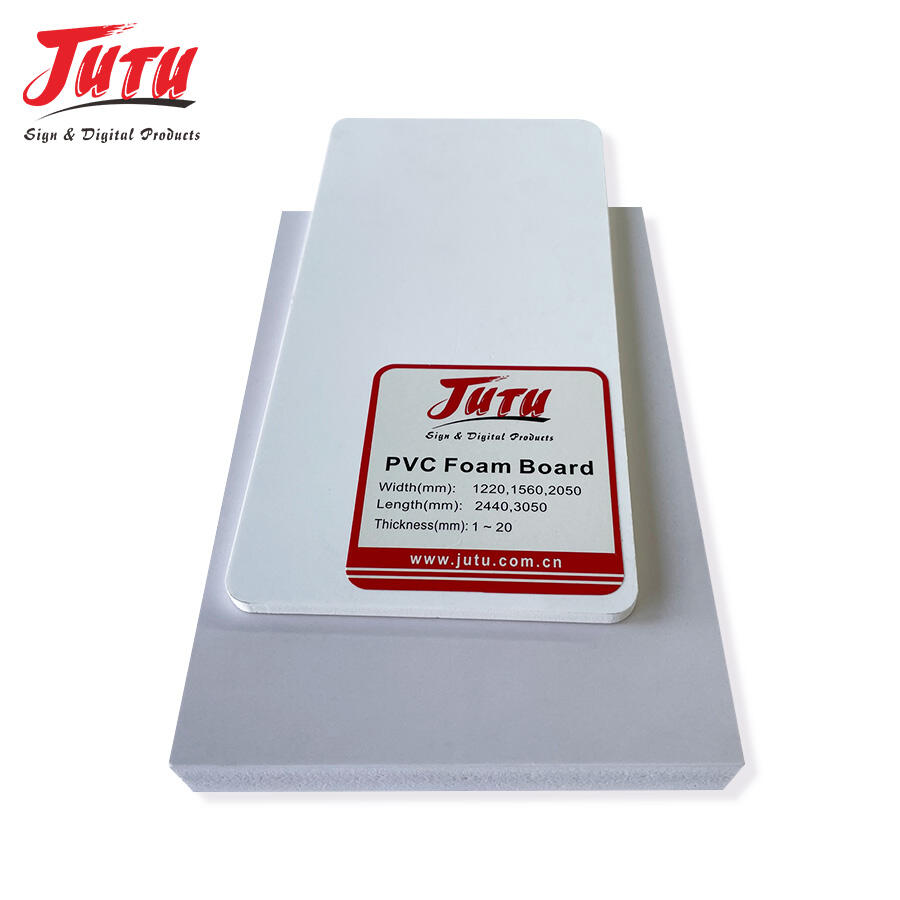
Olyan páratartalom-vezérelt környezetekben, ahol a nedvesség és a víz érintkezése folyamatos kihívást jelent, az építőanyagok megfelelő kiválasztása döntő fontosságú a hosszú távú teljesítmény és költséghatékonyság szempontjából. A PVC Celuka lemez kiváló megoldás olyan alkalmazásokhoz, amelyek kivételes nedvességállóságot, alakstabilitást és tartósságot igényelnek. Ez az innovatív sejtes PVC anyag ötvözi a habmagos szerkezet könnyűségét a tömör PVC rétegek védőhatásával, így ideális alapanyagot teremtve olyan környezetekhez, ahol a hagyományos anyagok gyakran megbuknak a vízkár, torzulás vagy degradáció miatt.
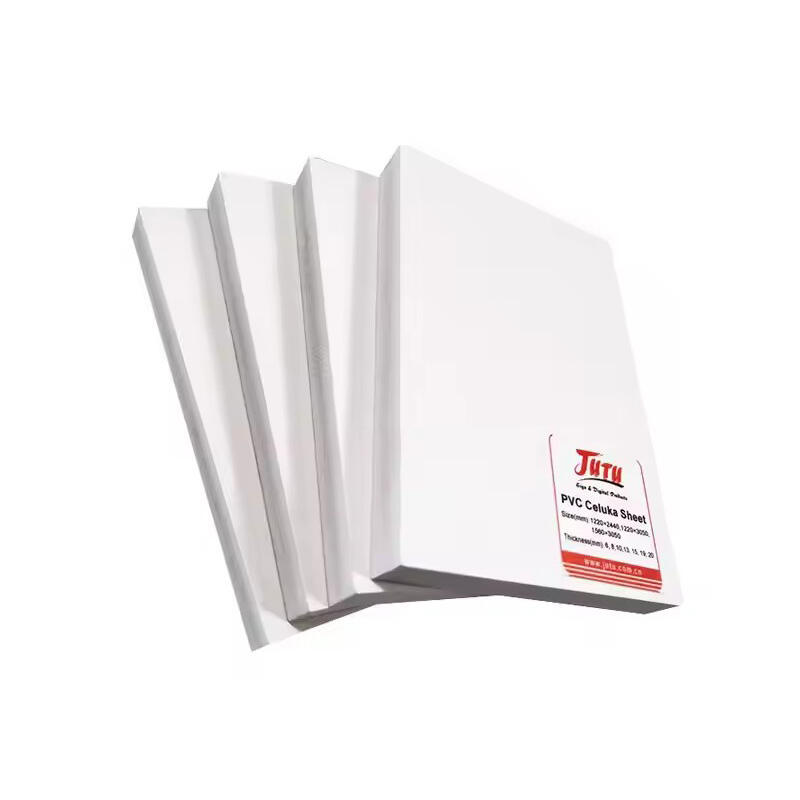
A PVC Celuka lemez felépítésének és tulajdonságainak megértése
Sejtszerkezet és anyagösszetétel
A PVC Celuka lemez egyedülálló szerkezete zártcellás habmagot foglal magába, amelyet két sűrű PVC héjréteg határol. Ez a háromrétegű kialakítás kiváló szilárdság- és tömegarányt biztosít, miközben teljes vízzártságot tart fenn. A cellás mag körülbelül 30–40%-kal csökkenti az anyag tömegét az azonos vastagságú tömör PVC lemezekhez képest, ami megkönnyíti a szerelést, és csökkenti a szerkezeti teherbírási igényeket. A sűrű külső héjak kiváló ütésállóságot és felületi keménységet biztosítanak, így az anyag megjelenése és teljesítménye hosszú időn keresztül megmarad.
A PVC Celuka lemezek gyártási folyamata pontos hőmérséklet- és nyomásszabályozást igényel az optimális cella szerkezet egységes eloszlásának eléréséhez. A zártcellás felépítés megakadályozza a víz behatolását az anyagmagba, kiküszöbölve ezzel a belső nedvességfelhalmozódás okozta anyagromlás vagy méretváltozás veszélyét. Ez a szerkezeti kialakítás az egész lemezben egyenletes sűrűségeloszlást eredményez, így biztosítva az alkalmazások során megjósolható teljesítményjellemzőket.
Páraállósági mechanizmusok
A PVC Celuka lemez természetes nedvességállósága az anyag tulajdonságaiból és a szerkezeti kialakítás elemeiből ered. A polivinil-klorid természeténél fogva hidrofób jellegű, ami azt jelenti, hogy a vízmolekulák nem tudnak behatolni a polimer mátrixba molekuláris szinten. Ez az alapvető tulajdonság biztosítja, hogy még hosszú távú nedvességnek vagy közvetlen víznek való kitettség sem veszélyezteti az anyag integritását vagy teljesítményét.
A nyersanyag-tulajdonságokon túl a gyártási folyamat biztosítja a habmag és a burkolórétegek közötti hézagmentes kapcsolódást, kiküszöbölve a nedvesség behatolásának lehetséges pontjait. Az élek tömítése és a megfelelő szerelési technikák tovább növelik a nedvességvédelmet, teljes barrierező rendszereket létrehozva, amelyek minden irányból megakadályozzák a víz behatolását. Ez a komplex nedvességállóság teszi PVC-celuka lemez ideálissá úszómedencék környezetében, kereskedelmi konyhákban, gyógyszeripari létesítményekben és egyéb magas páratartalmú terekben történő alkalmazásra.
Teljesítményelőnyök magas páratartalmú környezetekben
Méretstabilitás változó körülmények között
A PVC Celuka lap egyik legjelentősebb előnye nedvességérzékeny környezetekben az, hogy kiváló méretstabilitással rendelkezik változó hőmérsékleti és páratartalom-körülmények között. A fa alapú anyagoktól eltérően, amelyek a nedvességtartalom változásával duzzadnak vagy húzódnak, a PVC Celuka lap mérete állandó marad a környezeti ingadozások ellenére. Ez a stabilitás megelőzi a gyakori problémákat, mint például a torzulás, a hajlítódás vagy résképződés, amelyek befolyásolhatják az esztétikát és a funkcionalitást is.
Laboratóriumi vizsgálatok igazolják, hogy a PVC Celuka lap kevesebb mint 0,1%-os méretváltozást mutat 30% és 90% relatív páratartalom közötti ingadozás hatására. Ez a minimális hőtágulási együttható biztosítja, hogy a beépített panelek hosszú időn keresztül megfelelő illeszkedést és felületminőséget mutassanak, csökkentve ezzel a karbantartási igényt és meghosszabbítva az élettartamot. Az anyag hőtágulási tulajdonságai jól ismertek, így nagyobb szereléseknél megfelelően tervezhetők az elmozdulási hézagok.
Gomba- és mikrobiális növekedéssel szembeni ellenállás
A nedvességet szabályozott környezetek gyakran küzdenek gombákkal, penészekkel és baktériumokkal, különösen, ha szerves anyagok is jelen vannak. A PVC Celuka Lap ezen alkalmazásokban természetes előnnyel rendelkezik összetételének és átjárhatatlan felületének köszönhetően. Az anyag nem biztosítja azokat a tápanyagokat, amelyek a mikrobák növekedését támogatnák, így higiénikus felületeket eredményez akár nehéz körülmények között is.
A PVC Celuka Laphoz felületkezelés és tisztítási eljárások egyszerűek és hatékonyak, szabványos fertőtlenítőszerek és tisztítószerek használatával végezhetők anélkül, hogy az anyag sérülne. A sima, átjárhatatlan felület megakadályozza a szennyeződések és szennyező anyagok felhalmozódását mikroszkopikus résekben, így alapos tisztítás érhető el hagyományos módszerekkel. Ez a karbantarthatóság különösen értékes az egészségügyi, élelmiszer-feldolgozó és laboratóriumi környezetekben, ahol szigorú higiéniai szabványokat kell fenntartani.
Telepítési és feldolgozási előnyök
Gyártási és megmunkálási tulajdonságok
A PVC Celuka lemez sejtszerkezete kiváló gyártási jellemzőket biztosít, amelyek egyszerűsítik a telepítési és testreszabási folyamatokat. Az anyag tisztán vágható szabványos faipari szerszámokkal, repedésmentes, sima éleket eredményezve, repedés vagy rétegződés nélkül. A marás, fúrás és alakítás műveletei hagyományos berendezésekkel végezhetők el, így könnyen integrálhatók a szokásos építési és gyártási folyamatokba.
A PVC Celuka lemez hegesztési és ragasztási technikái lehetővé teszik a hézagmentes illesztéseket, amelyek megőrzik a nedvességbarrier integritását. Az oldószeres hegesztés kémiai kötéseket hoz létre, amelyek erősebbek, mint az alapanyag, így hosszú távú csatlakozó megbízhatóságot biztosítanak. A mechanikus rögzítési lehetőségek közé tartoznak csavarok, szegecsek és speciális kapcsok, amelyek kompenzálják a hőmérsékletváltozásból adódó mozgást, miközben biztosítják a szilárd rögzítést a szerkezeti alapanyagokhoz.
Felületkezelés és esztétikai lehetőségek
A PVC Celuka lemezek felületelőkészítési és felületkezelési lehetőségei különböző esztétikai igényeket elégítenek ki, miközben megőrzik a nedvességgel szembeni ellenálló képességet. Az anyag festést, vinil borítást és laminálást is elfogad, ha megfelelő felületelőkészítési technikákat alkalmaznak. A primer kiválasztása és felhordási módszerei döntő fontosságúak a tartós felületek eléréséhez, amelyek ellenállnak a nedvességnek és a tisztítási ciklusoknak.
A strukturált felületi változatok javított tapadást biztosítanak biztonsági alkalmazásokhoz, miközben megőrzik a könnyű tisztíthatóságot. Dombornyomott minták és felületkezelések utánzhatják a faerezetet, követ vagy más természetes anyagokat, ugyanakkor megtartva a PVC szerkezet teljesítményelőnyeit. A színállóság UV-sugárzás és kémiai tisztítás hatására biztosítja, hogy az esztétikai tulajdonságok a teljes élettartam során megmaradjanak.
Költséghatékonyság és élettartam-megfontolások
Kezdeti beruházási és telepítési költségek
Bár a PVC Celuka lap kezdeti anyagköltsége meghaladhatja a rétegelt lemez vagy az MDFhez hasonló hagyományos alternatívákét, a teljes projekt költsége gyakran gazdaságosabb, ha figyelembe vesszük a szerelési tényezőket. A könnyű súly csökkenti a kezelési költségeket és a szerkezeti igényeket, miközben a könnyű megmunkálhatóság minimalizálja a munkaerő időigényét és a speciális szerszámok szükségességét.
A szerelési hatékonyságnövekedés a anyag méretbeli állandóságából és az előre befejezett felületi lehetőségekből ered. A faanyagoktól eltérően, amelyek esetében helyszíni tömítésre és utómunkálatokra van szükség, a PVC Celuka lapot gyakran kész termékként lehet felszerelni, így lerövidülnek a projekthatáridők, és elmaradnak a több szakmát érintő koordinációs igények. Ezek a hatékonyságnövekedés munkaerő-költségek csökkenéséhez és gyorsabb projektbefejezéshez vezetnek.
Hosszú távú karbantartási és cserélési költségek
A PVC Celuka lemez élettartamra vonatkozó költségelőnyei csökkentett karbantartási igényeken és megnövekedett hasznos élettartamon keresztül válnak nyilvánvalóvá páratartalom-vezérelt környezetekben. A hagyományos anyagok gyakran rendszeres tömítést, festést vagy cserét igényelnek a nedvesség okozta károk miatt, míg a PVC Celuka lemez évtizedeken át minimális beavatkozással is fenntartja teljesítményét.
A PVC Celuka lemez garanciális időtartama jellemzően 10–25 év, az alkalmazástól és a gyártótól függően, így költségtervszerűséget biztosít a létesítménygazdálkodási költségvetések számára. Az anyag ellenállása a gyakori hibajelenségekkel szemben, mint a rothadás, rétegződés és rovarok okozta kár, kiküszöböli a szerves alternatíváknál szükséges számos rendszeres karbantartási feladatot. Ez a megbízhatóság csökkenti a tervezett karbantartási költségeket és a sürgősségi javítások kiadásait egyaránt.
Alkalmazás -Szakmai előnyök az iparágakban
Egészségügyi és laboratóriumi környezetek
Az egészségügyi létesítmények olyan anyagokat igényelnek, amelyek steril körülményeket biztosítanak, miközben ellenállnak az agresszív fertőtlenítőszerekkel történő gyakori tisztításnak. A PVC Celuka lemez megfelel ezeknek a magas követelményeknek a nem szívó felületével, kémiai ellenállásával és méretstabilitásával. Az anyag képessége, hogy sima, hézagmentes felületeket őrizzen meg, megakadályozza a szennyeződések felhalmozódását, és hatékony sterilizálási eljárások alkalmazását teszi lehetővé.
A laboratóriumi alkalmazások előnyt kovácsolnak az anyag kémiai inerciájából és egyszerű fertőtlenítési lehetőségéből. A nem szívó felület megakadályozza a kísérletek vagy eljárások közötti keresztszennyeződést, míg a sima felület lehetővé teszi a veszélyes anyagok teljes eltávolítását. Tűzgátló fokozatok is elérhetők azokhoz az alkalmazásokhoz, amelyek magasabb biztonsági jellemzőket igényelnek.
Kereskedelmi konyha és élelmiszer-szolgáltatás
Az élelmiszer-szolgáltatási környezetek egyedi kihívásokat jelentenek, amelyek magas páratartalomra, hőmérséklet-ingadozásra, zsírhatásra és szigorú fertőtlenítési követelményekre épülnek. A PVC Celuka Lemez ezekkel a kihívásokkal szemben nedvességálló, zsírtűrő tulajdonságokkal és az élelmiszeripari tisztítószerekkel való kompatibilitással áll rendelkezésre. Az anyag megőrzi teljesítményét a kereskedelmi konyhákban jellemző hőmérsékleti tartományokon belül, miközben könnyen tisztítható felületet biztosít.
A beépítés hűtőkamrákba, előkészítő területekre és étkezőhelyekre az anyag hőmérsékleti tulajdonságainak és a kondenzációval szembeni ellenállásának köszönhetően előnyös. Ellentétben a hagyományos anyagokkal, amelyek ízületekben vagy sérült felületeken baktériumokat rejthetnek, a megfelelően telepített PVC Celuka Lemez rendszerek hézagmentes, higiénikus környezetet teremtenek, támogatva az élelmiszer-biztonsági protokollokat és a szabályozási előírásoknak való megfelelést.
GYIK
Hogyan viszonyul a PVC Celuka Lemez a tömör PVC lemezekhez nedvességterhelés alatt
A PVC Celuka lemez hasonló nedvességállóságot nyújt, mint a tömör PVC, de jelentősen csökkentett súllyal és javított hőszigetelési tulajdonságokkal. A cellás magszerkezet jobb csavartartó képességet és ütésállóságot biztosít, miközben megőrzi a tömör PVC kémiai ellenállását és méretstabilitását. A legtöbb nedvesség-érzékeny alkalmazás esetén a celuka szerkezet teljesítményelőnyei és költségcsökkentése miatt ez előnyösebb, mint a tömör lemezek.
Milyen vastagsági lehetőségek állnak rendelkezésre különböző nedvességterhelési szintekhez
A szabványos vastagságtartomány 3 mm-től 30 mm-ig terjed, a választás a szerkezeti igényektől és a nedvességterhelés intenzitásától függ. A könnyű alkalmazások, például a falburkolatok általában 6–10 mm-es vastagságot igényelnek, míg a nagy nedvességtartalmú környezetek szerkezeti alkalmazásaihoz 15–20 mm-es lemezek szükségesek. A vastagabb lemezek javított hőszigetelést és nagyobb ütésállóságot biztosítanak igénybevett alkalmazásokhoz.
Használható-e PVC Celuka lemez kültéri, nedvességgel érintkező alkalmazásokban
Igen, a PVC Celuka lemez alkalmas kültéri felhasználásra, ha megfelelő UV-védelem biztosított felületi kezelések vagy festékrendszerek útján. Az anyag nedvességállósága ideálissá teszi tetőterek burkolásához, élvédőkhez és egyéb kültéri alkalmazásokhoz, ahol gyakori a vízzel való érintkezés. UV-stabilizált fokozatok állnak rendelkezésre közvetlen napsugárzásnak kitett helyekre is, bár az optimális megjelenés megőrzése érdekében felületi bevonat alkalmazása ajánlott.
Mik a hőmérsékleti korlátok nedvességszabályozott környezetekben
A PVC Celuka lemez szerkezeti integritása -40 °F és 140 °F között marad meg, így kielégíti a legtöbb, klímaberendezéssel szabályozott környezet követelményeit. Folyamatos 120 °F feletti hőmérséklet hatására változhat a felületi keménység és a méretstabilitás, ezért ipari kemencékhez vagy gőzkamrákhoz alapos műszaki értékelés szükséges. Az anyag alacsony hővezető-képessége segít kellemes felületi hőmérséklet fenntartásában még nehéz termikus körülmények között is.
Tartalomjegyzék
- A PVC Celuka lemez felépítésének és tulajdonságainak megértése
- Teljesítményelőnyök magas páratartalmú környezetekben
- Telepítési és feldolgozási előnyök
- Költséghatékonyság és élettartam-megfontolások
- Alkalmazás -Szakmai előnyök az iparágakban
-
GYIK
- Hogyan viszonyul a PVC Celuka Lemez a tömör PVC lemezekhez nedvességterhelés alatt
- Milyen vastagsági lehetőségek állnak rendelkezésre különböző nedvességterhelési szintekhez
- Használható-e PVC Celuka lemez kültéri, nedvességgel érintkező alkalmazásokban
- Mik a hőmérsékleti korlátok nedvességszabályozott környezetekben