 EN

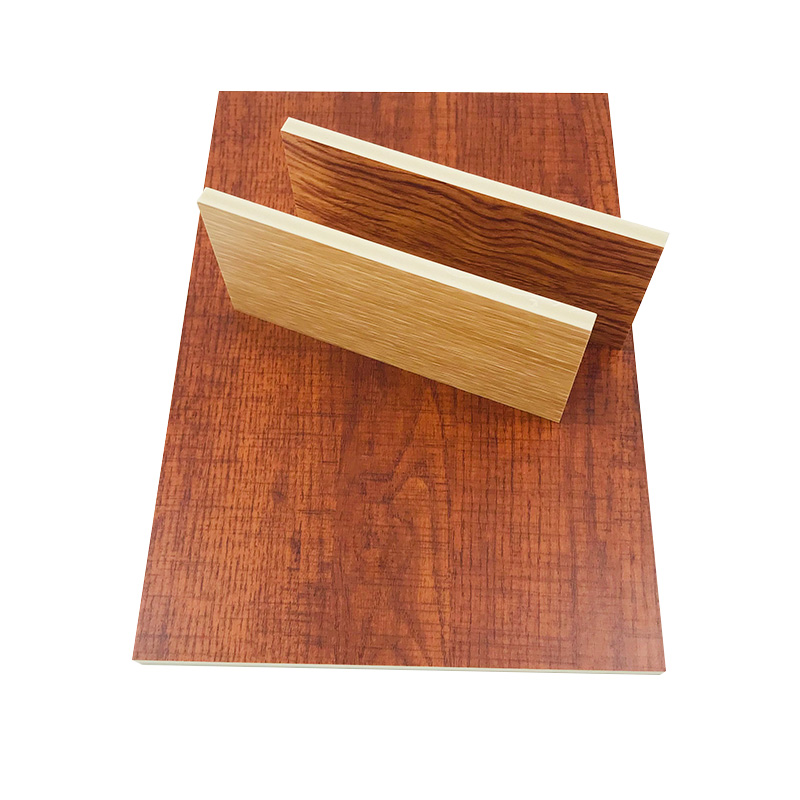
Modern building environments demand solutions that address both thermal comfort and noise reduction simultaneously. A pvc wall panel has emerged as a leading choice for commercial, residential, and industrial applications seeking integrated acoustic and insulation performance. Unlike traditional drywall or basic paneling systems, pvc wall panel products combine structural durability with scientifically engineered thermal barriers and sound-dampening capabilities, making them ideal for environments where climate control and noise management are equally critical. Understanding the acoustic and insulation properties of pvc wall panel solutions helps facility managers, architects, and building owners make informed decisions about wall assembly specifications and long-term building performance.
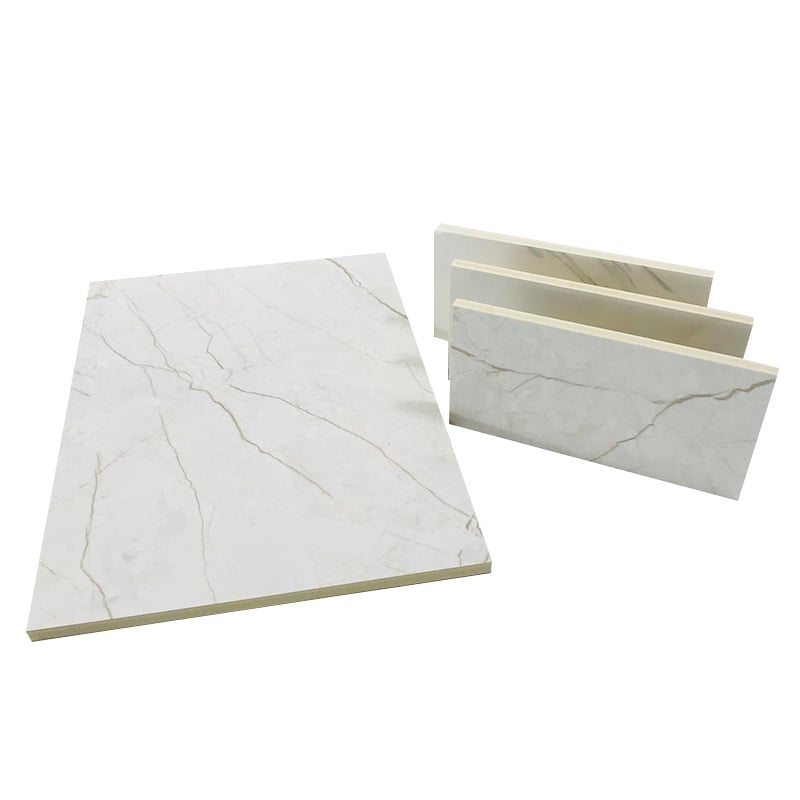
The polyvinyl chloride composition of a pvc wall panel creates inherent material properties that naturally resist heat transfer and attenuate sound waves. When properly installed, pvc wall panel systems deliver measurable improvements in energy efficiency and acoustic comfort compared to conventional wall construction methods. This article explores the technical foundations of acoustic and insulation performance in pvc wall panel applications, examines real-world performance metrics, and provides practical guidance for selecting and implementing pvc wall panel solutions in diverse building contexts.
Thermal Insulation Properties of PVC Wall Panels
Heat Transfer Resistance in PVC Wall Panel Design
Thermal performance of a pvc wall panel is fundamentally determined by its material composition and structural density. The polyvinyl chloride base material exhibits low thermal conductivity, typically ranging from 0.16 to 0.20 watts per meter-kelvin, which means heat transfer through pvc wall panel surfaces occurs significantly slower than through conventional building materials. This inherent property makes pvc wall panel an effective thermal barrier when installed as part of a complete wall assembly. The cellular structure within certain pvc wall panel formulations further reduces heat conduction pathways, trapping air pockets that provide additional insulative value without adding substantial weight or thickness to the wall system.
Energy Efficiency and Climate Control Benefits
Buildings utilizing pvc wall panel systems demonstrate measurable reductions in heating and cooling energy consumption. When a pvc wall panel is installed with appropriate backing or cavity insulation, the combined assembly can achieve R-values comparable to traditional insulated wall constructions while offering superior moisture resistance and dimensional stability. The thermal mass characteristics of pvc wall panel surfaces help moderate interior temperature fluctuations, reducing the workload on HVAC systems and extending equipment lifespan. In cold climate applications, pvc wall panel installations minimize thermal bridging at wall connections, whereas in hot climates, pvc wall panel reflective surfaces can deflect radiant heat, contributing to lower peak cooling demands and more consistent interior comfort levels.
Acoustic Performance and Sound Attenuation
Sound Absorption Mechanisms in PVC Wall Panel Systems
Acoustic performance of a pvc wall panel depends on both the material's intrinsic damping characteristics and the construction methodology employed during installation. The pvc wall panel surface absorbs mid-frequency and high-frequency sound waves through material internal friction, preventing acoustic reflections that would otherwise amplify noise within enclosed spaces. Unlike rigid hard surfaces, pvc wall panel materials exhibit viscoelastic properties that convert sound energy into minimal heat dissipation within the material matrix. When installed with air cavities or specialized backing materials, a pvc wall panel assembly can address lower-frequency sound transmission, providing comprehensive noise control across the audible spectrum. The density and thickness of pvc wall panel products directly influence their noise reduction coefficient, with thicker formulations typically delivering superior acoustic performance.
Sound Transmission Class and Real-World Noise Control
The Sound Transmission Class rating of a pvc wall panel assembly indicates how effectively it blocks airborne sound from passing between spaces. A pvc wall panel system installed with proper detailing and sealing can achieve STC ratings between 40 and 60, depending on substrate preparation, cavity treatment, and overall wall construction specifications. In open office environments, hospitality settings, healthcare facilities, and residential multifamily buildings, pvc wall panel installations reduce noise transmission from adjacent spaces, creating quieter, more productive interior environments. Installation quality directly affects acoustic outcomes, meaning pvc wall panel performance in practical applications depends on trained installers understanding proper sealing, joint treatment, and backing material selection to realize the full acoustic potential of pvc wall panel products.
Installation Considerations and Performance Optimization
Proper Substrate Preparation and Material Selection
Maximizing acoustic and insulation properties of pvc wall panel systems begins with appropriate substrate selection and surface preparation. The pvc wall panel must be installed over structurally sound, clean surfaces free of debris, moisture, and contaminants that could compromise adhesive performance or material dimensional stability. Selecting pvc wall panel products specifically formulated for acoustic and thermal applications ensures the material composition delivers intended performance characteristics. Substrate type influences pvc wall panel thermal conductivity pathways, with insulated backing or cavity treatment substantially improving overall assembly R-value. Understanding the pvc wall panel product specification sheet, including thickness, density, thermal properties, and acoustic ratings, enables architects and builders to specify pvc wall panel systems matched to specific project performance requirements and building code compliance objectives.
Installation Methods and Acoustic Sealing Techniques
The acoustic and insulation effectiveness of a pvc wall panel installation depends critically on eliminating air leakage paths and acoustic bridges within the wall assembly. Pvc wall panel panels should be installed with continuous backing, proper joint treatment, and sealed penetrations to prevent sound and thermal transmission through gaps or discontinuities. When pvc wall panel systems incorporate cavity spaces, filling these cavities with appropriate insulation materials maximizes thermal resistance while providing additional sound absorption. Corner details, transitions, and connections represent critical acoustic weak points where pvc wall panel performance can be compromised by incomplete sealing or improper material detailing. Professional installation of pvc wall panel systems includes careful attention to edge conditions, fixture penetrations, and material joinery to maintain acoustic integrity and thermal continuity throughout the installed pvc wall panel wall assembly.
Comparative Performance and Industry Applications
Advantages Over Conventional Wall Construction
Comparing acoustic and insulation properties reveals why pvc wall panel systems outperform many traditional wall assembly methods in modern construction. Standard drywall construction without additional acoustic treatment provides minimal sound control, whereas pvc wall panel solutions deliver integrated performance without requiring separate acoustic panel installations. Pvc wall panel materials resist moisture infiltration that degrades insulation performance in conventional fiberglass-based systems, making pvc wall panel particularly valuable in humid environments, kitchens, bathrooms, and industrial facilities. The dimensional stability of pvc wall panel ensures acoustic and thermal properties remain consistent throughout the building's service life, whereas compressed insulation in traditional walls can settle, reducing effectiveness. Installation speed with pvc wall panel systems reduces construction timelines compared to multi-layer conventional wall assembly methods, providing economic benefits alongside superior performance outcomes.
Industry-Specific Applications and Proven Performance
Healthcare facilities, laboratories, recording studios, and educational institutions increasingly specify pvc wall panel systems for applications demanding both acoustic privacy and thermal regulation. Data centers employ pvc wall panel installations to manage heat dissipation while containing operational noise from equipment. Hospitality properties utilize pvc wall panel systems to provide guest room sound isolation and consistent interior climate without occupant-adjustable controls. Commercial office environments benefit from pvc wall panel acoustic properties that reduce open-plan noise transmission and improve occupant focus and productivity. Industrial manufacturing settings require pvc wall panel thermal performance for temperature-critical processes alongside noise attenuation for worker safety and environmental compliance. Each application context leverages different facets of pvc wall panel acoustic and insulation capabilities, demonstrating the versatility and multi-functional value proposition of pvc wall panel technology across diverse building sectors.
FAQ
What R-value can a pvc wall panel system achieve in practical installations?
A pvc wall panel system typically achieves R-values between 4 and 8 per inch of thickness when installed as part of a complete wall assembly with appropriate backing or cavity insulation. The actual R-value depends on pvc wall panel product formulation, substrate type, cavity treatment, and installation methodology. Adding insulated backing or filling pvc wall panel cavities with mineral fiber or foam materials substantially increases total wall assembly R-value, potentially reaching R-15 or higher for complete wall constructions. Consulting pvc wall panel manufacturer specifications and working with qualified installers ensures your specific application achieves calculated thermal performance objectives.
How much noise reduction can pvc wall panel products deliver?
Acoustic performance of pvc wall panel systems is quantified through Sound Transmission Class ratings, which typically range from 40 to 60 depending on pvc wall panel product specifications and installation quality. A pvc wall panel system with an STC-50 rating blocks approximately 50 decibels of sound, reducing loud conversation to barely audible whispers across the wall boundary. Pvc wall panel acoustic performance also involves Noise Reduction Coefficient measurements indicating sound absorption within a space, typically ranging from 0.50 to 0.85 for properly specified pvc wall panel products. Actual noise reduction experienced depends on frequency characteristics of source noise, pvc wall panel installation quality, and construction details affecting overall wall assembly performance.
Are pvc wall panel systems suitable for moisture-prone environments?
Yes, pvc wall panel materials are inherently moisture-resistant, making pvc wall panel systems ideal for kitchens, bathrooms, laundries, commercial dishwashing areas, and other high-humidity environments where conventional insulation materials would degrade. Unlike fiberglass or cellulose-based insulation, pvc wall panel maintains structural integrity and thermal properties when exposed to moisture, preventing mold growth and performance degradation over extended service periods. Proper installation with sealed penetrations and appropriate vapor management ensures pvc wall panel systems continue delivering acoustic and thermal benefits in challenging moisture environments. Building codes and manufacturer guidelines should be consulted to confirm pvc wall panel product suitability for specific moisture conditions and humidity levels anticipated in your application.