 EN

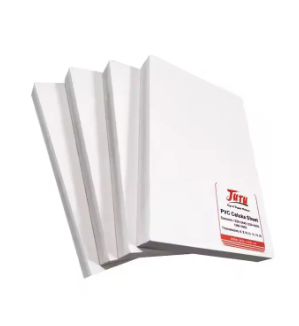
Modular construction is reshaping how buildings are designed, manufactured, and assembled on-site. One material gaining significant traction in this industry is the pvc celuka board, a lightweight yet rigid foam-core sheet that combines structural integrity with ease of installation. Understanding how to properly integrate pvc celuka board into modular construction workflows can dramatically improve project timelines, reduce waste, and enhance finished quality. This comprehensive guide walks through the practical integration steps, design considerations, and real-world applications that make pvc celuka board an ideal choice for modular building systems.
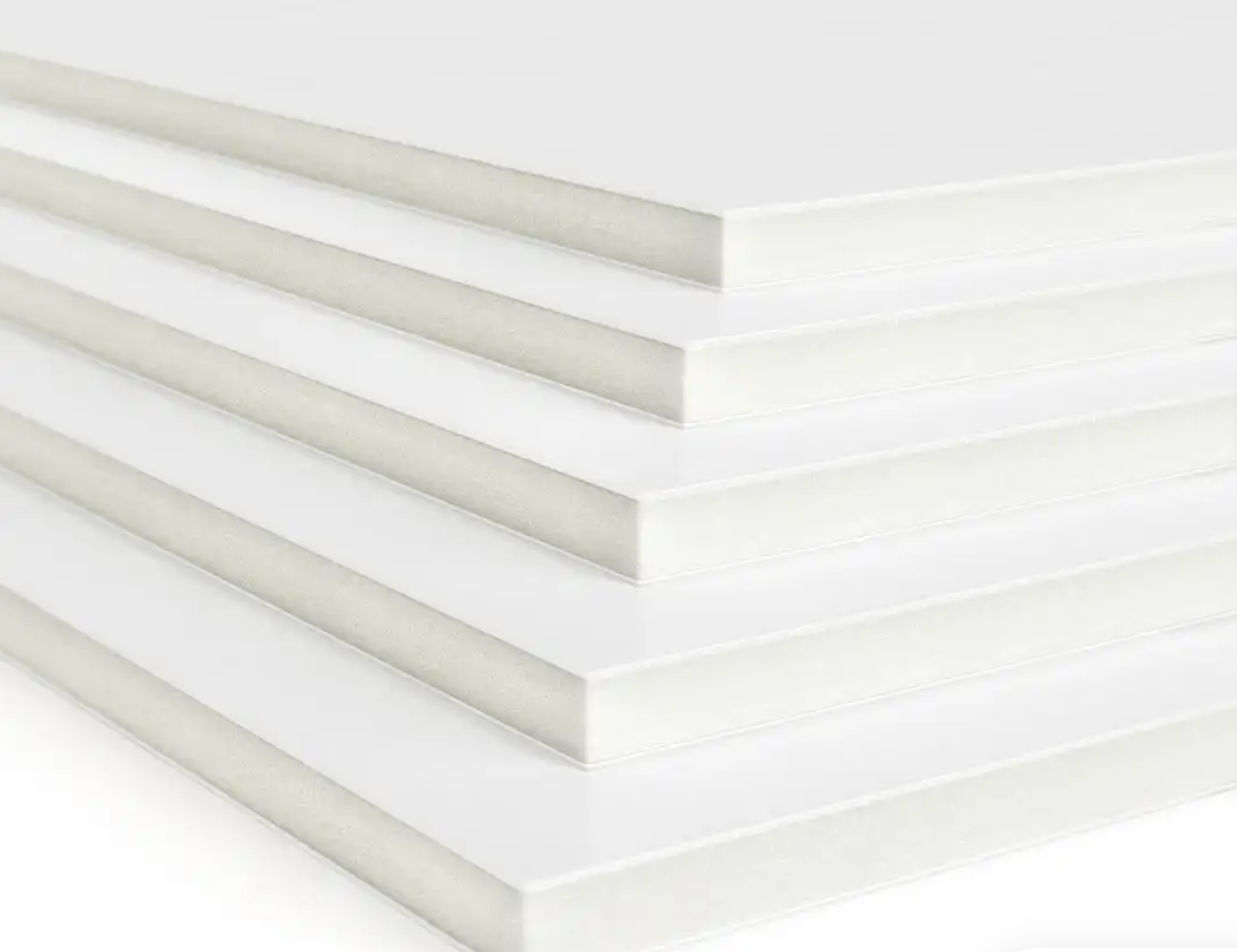
The integration of pvc celuka board into modular construction represents a shift toward more efficient, sustainable building methods. Unlike traditional materials that require extensive on-site fabrication, pvc celuka board components can be pre-cut, finished, and assembled in controlled factory environments before delivery to the construction site. This approach reduces labor costs, minimizes material waste, and ensures consistent quality across all modular units. By the end of this article, you will understand the full workflow for incorporating pvc celuka board into your modular construction strategy.
Design Phase Planning for PVC Celuka Board Integration
Structural Assessment and Material Selection
Before integrating pvc celuka board into your modular construction project, conduct a thorough structural assessment to determine the correct thickness and density. Pvc celuka board comes in various grades, ranging from 3mm to 18mm thickness, each suited to different load-bearing and aesthetic requirements. Work with structural engineers to evaluate wall bracing, roof applications, partition systems, and panel strength needs. A well-chosen pvc celuka board specification prevents costly redesigns and ensures compliance with building codes and safety standards.
CAD Design and Fabrication Templates
Precision in the design phase is critical for successful pvc celuka board integration. Using CAD software, create detailed fabrication templates that account for joint tolerances, edge profiles, and connection hardware. Pvc celuka board is highly machineable, allowing for complex cuts, slots, and routed details. When you design with pvc celuka board specifications in mind, fabrication shops can optimize material usage and reduce production time. Include sealing details, paint or veneer specifications, and any embedded elements in your design documentation to ensure every pvc celuka board panel is manufactured to exact standards.
Manufacturing and Pre-Assembly with PVC Celuka Board
Factory-Based Fabrication Workflow
Integrating pvc celuka board into modular construction fundamentally changes the manufacturing process. Panels are precision-cut using CNC routers, which ensures accuracy and repeatability across all units. Each pvc celuka board component is then finished—sanded, sealed, and painted or veneered—before assembly. This factory-controlled environment eliminates weather delays and allows for quality inspections at every stage. Workers can apply coatings, install windows, or attach fixtures directly to pvc celuka board surfaces before the panel leaves the factory, dramatically reducing on-site labor.
Connection Hardware and Joinery Details
The adhesive and mechanical properties of pvc celuka board make it compatible with various connection systems. Dowel joinery, pocket-hole fasteners, and traditional edge-gluing all work effectively with pvc celuka board materials. For modular construction, pre-drill all connection points on pvc celuka board panels during manufacturing. This enables rapid, tool-free assembly on-site and minimizes the risk of misalignment. Test joint integrity by applying stress loads to sample pvc celuka board assemblies before full production begins. Pre-finishing pvc celuka board surfaces also protects joints from moisture exposure during transport and assembly.
On-Site Installation and Assembly Strategies
Logistics and Material Handling
Because pvc celuka board is significantly lighter than plywood or solid wood alternatives, logistics become more efficient and cost-effective. Panels made from pvc celuka board require less reinforced handling equipment and can be transported in higher volumes. Organize delivery schedules to align with assembly phases, storing pvc celuka board indoors to prevent moisture absorption or surface damage. Label each pvc celuka board panel with its module location and orientation to streamline the assembly process. Reduce on-site congestion and material handling errors by sequencing pvc celuka board panel deliveries just-in-time with construction schedules.
Rapid Assembly and Quality Validation
When integrating pvc celuka board into modular construction, assembly teams use pre-drilled connection points and fitted joints to achieve fast, repeatable assembly. Pvc celuka board components snap together with minimal adjustments, reducing assembly time from hours to minutes per module. Conduct immediate quality checks on each completed pvc celuka board unit—inspect surface finish, verify joint tightness, and confirm dimensional accuracy. Because pvc celuka board is so stable and warp-resistant, modules remain square and true throughout handling, transport, and final installation. This dimensional consistency means fewer callbacks and higher customer satisfaction.
Performance Benefits of PVC Celuka Board in Modular Construction
Durability and Environmental Resistance
Pvc celuka board offers superior durability compared to traditional materials in modular construction environments. The foam core provides excellent moisture resistance, preventing swelling or rot even in high-humidity applications. Pvc celuka board surfaces are UV-stable and resist fading, making them ideal for outdoor-exposed modular units or mobile structures. The material's dimensional stability ensures that pvc celuka board panels maintain their shape and size over years of use, reducing warping and gaps. For marine, hospitality, or healthcare applications where hygiene is critical, pvc celuka board can be easily cleaned and sanitized without degradation.
Cost and Efficiency Gains
Integrating pvc celuka board into modular construction yields measurable cost savings throughout the project lifecycle. The material waste from pvc celuka board machining is minimal because the sheets are highly utilizable. Labor costs drop significantly because pvc celuka board assembly is faster than traditional construction. Energy consumption decreases because lighter pvc celuka board modules require less transportation fuel. The reduced on-site construction time translates into faster project delivery and earlier occupancy, generating revenue sooner. When you calculate the total cost of ownership, pvc celuka board consistently outperforms conventional materials in modular construction budgets.
FAQ
Can pvc celuka board be used in load-bearing applications?
Yes, pvc celuka board can be used in load-bearing applications when properly designed and specified. Thicker grades of pvc celuka board, combined with appropriate edge supports or internal bracing, provide excellent strength-to-weight ratios. Structural engineers must calculate load capacities based on specific pvc celuka board thickness and support spacing. For wall systems, pvc celuka board typically serves as the primary panel material with a structural frame for load distribution. Testing and certification ensure that your pvc celuka board configuration meets building code requirements for the intended application.
How does pvc celuka board compare to MDF or plywood in modular construction?
Pvc celuka board offers distinct advantages over MDF and plywood in modular construction. Unlike MDF, pvc celuka board is moisture-resistant and will not swell or degrade when exposed to humidity. Compared to plywood, pvc celuka board is lighter, easier to machine, and produces less waste. Pvc celuka board also provides better thermal insulation due to its foam core structure. While pvc celuka board may have a higher initial material cost, the labor savings, faster assembly, and reduced logistics expenses often result in lower total project costs than traditional materials.
What finishing options are available for pvc celuka board panels?
Pvc celuka board accepts a wide range of finishes suitable for modular construction. The surface can be painted with standard acrylic or polyurethane coatings, veneered with natural or engineered wood, or laminated with decorative films. Pvc celuka board edges can be banded with matching materials or left exposed for a modern aesthetic. For applications requiring superior durability, UV-resistant finishes protect pvc celuka board from fading and weathering. Matte, satin, or gloss finishes are all achievable on pvc celuka board surfaces, giving designers complete creative control over the final appearance of modular units.