 EN
EN


Thermal insulation is a critical consideration in modern construction, industrial applications, and manufacturing processes where temperature control directly impacts energy efficiency, operational costs, and structural integrity. Among the various materials employed for thermal management, PVC foam board has emerged as a versatile solution that combines lightweight construction with effective insulation capabilities. Understanding the thermal insulation properties of PVC foam board requires examining its cellular structure, heat transfer mechanisms, and performance characteristics across diverse environmental conditions. This knowledge enables engineers, architects, and procurement specialists to make informed decisions when specifying materials for projects where thermal performance is a defining requirement.
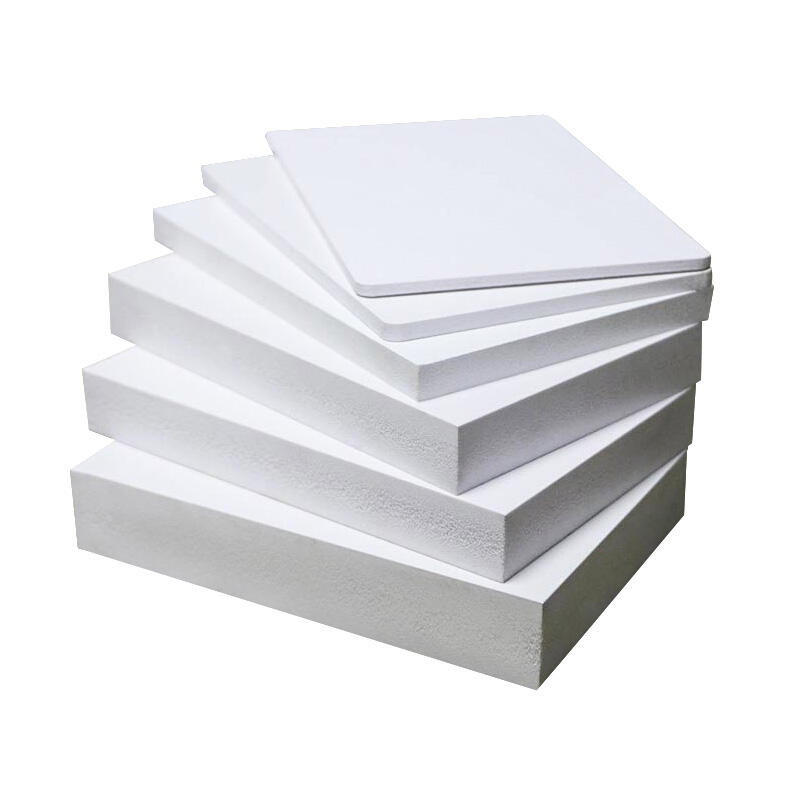
The thermal insulation effectiveness of PVC foam board stems from its unique cellular composition, where millions of tiny closed cells trap air within the polymer matrix. This structural configuration creates a barrier against heat transfer that outperforms many traditional solid materials. The specific thermal conductivity values, resistance to moisture penetration, and dimensional stability under temperature fluctuations make PVC foam board particularly suitable for applications ranging from building envelope systems to refrigerated transport containers. By examining the fundamental science behind its insulation properties, the factors that influence thermal performance, and the practical implications for real-world applications, this comprehensive analysis provides the technical foundation necessary for optimizing material selection in thermal management scenarios.
The Science Behind Thermal Insulation in PVC Foam Board
Cellular Structure and Heat Transfer Resistance
The thermal insulation properties of PVC foam board are fundamentally determined by its closed-cell structure, which is created during the manufacturing process through chemical foaming or physical expansion techniques. Each cell within the foam matrix acts as an individual insulation unit, with walls made of polyvinyl chloride polymer surrounding pockets of gas, typically air or residual blowing agent. This cellular architecture disrupts the three primary modes of heat transfer: conduction, convection, and radiation. The polymer cell walls possess relatively low thermal conductivity compared to solid PVC, while the trapped gas within cells exhibits even lower conductivity, creating a composite material with superior insulation characteristics.
Thermal conductivity, measured in watts per meter-kelvin, quantifies how effectively a material conducts heat. Standard PVC foam board typically exhibits thermal conductivity values ranging from 0.030 to 0.045 W/mK, depending on density and cell structure uniformity. This range positions PVC foam board as a moderate-to-good insulator, significantly outperforming solid plastics, metals, and concrete, though generally not matching the extreme insulation values of specialized materials like aerogels or vacuum insulation panels. The specific thermal conductivity of any given PVC foam board depends on several factors including cell size distribution, cell wall thickness, foam density, and the gas composition within the cells.
Density Variations and Thermal Performance Correlation
PVC foam board is manufactured in various density grades, typically ranging from 0.4 to 0.8 grams per cubic centimeter, and this density directly influences thermal insulation properties. Lower-density formulations contain a higher proportion of gas-filled cells relative to solid polymer, which generally enhances thermal resistance since trapped air conducts heat much less effectively than solid polymer material. However, extremely low densities can compromise structural integrity and may result in cell wall thinning that allows increased radiative heat transfer through the material. The optimal density for thermal insulation applications represents a balance between maximizing gas content for insulation and maintaining sufficient cell wall thickness for structural stability and manufacturing consistency.
In practical terms, PVC foam board with densities around 0.5 to 0.6 g/cm³ often provides the best combination of thermal insulation and mechanical properties for most construction and industrial applications. At these densities, the material maintains adequate compressive strength to resist deformation under load while offering thermal conductivity values in the lower range of the typical spectrum. Higher-density formulations, while offering improved rigidity and impact resistance, sacrifice some thermal performance due to increased solid polymer content. Understanding this density-performance relationship is essential when specifying PVC foam board for applications where both thermal insulation and structural requirements must be satisfied simultaneously.
Closed-Cell Structure and Moisture Resistance Impact
A defining characteristic that enhances the thermal insulation properties of PVC foam board is its predominantly closed-cell structure, which prevents moisture infiltration into the cellular matrix. Unlike open-cell foams where interconnected pores allow water absorption, closed-cell PVC foam board maintains distinct, isolated cells that resist liquid water penetration and limit water vapor transmission. This moisture resistance is critically important for thermal insulation applications because water is an excellent conductor of heat compared to air, with thermal conductivity approximately 25 times higher. When insulation materials absorb moisture, their effective thermal resistance decreases dramatically as water replaces air within the structure.
The closed-cell architecture of PVC foam board ensures that its thermal insulation properties remain relatively stable even in humid environments or occasional exposure to condensation. While the material is not completely impervious to water vapor over extended periods, its low water absorption rate typically below two percent by volume means that thermal performance degradation due to moisture is minimal in most practical applications. This stability contrasts with fibrous insulation materials and some open-cell foams that can experience significant thermal conductivity increases when exposed to moisture, making PVC foam board particularly suitable for applications in high-humidity environments, below-grade installations, and exterior building envelope systems where moisture exposure is inevitable.
Factors Influencing Thermal Insulation Effectiveness
Temperature Range and Material Performance
The thermal insulation properties of PVC foam board exhibit some temperature dependency, with performance characteristics varying across the operational temperature spectrum. Standard formulations are designed for service temperatures typically ranging from -40°C to +60°C, within which the material maintains dimensional stability and consistent thermal conductivity. At extremely low temperatures, the polymer matrix becomes more rigid and brittle, though the closed-cell structure generally remains intact and continues to provide insulation. At elevated temperatures approaching the glass transition temperature of PVC (typically 75-85°C for rigid formulations), the polymer softens and dimensional changes become more pronounced, potentially affecting long-term thermal performance in sustained high-temperature applications.
The temperature differential across the PVC foam board thickness also influences heat transfer rates. In applications with significant temperature gradients, such as cold storage facilities or heated building envelopes, the material must maintain thermal resistance while experiencing different temperatures on opposite faces. The relatively low coefficient of thermal expansion of PVC foam board compared to many other plastics helps minimize dimensional changes under temperature cycling, which preserves installation integrity and prevents gap formation that could compromise system-level insulation performance. For applications involving temperature extremes beyond standard ranges, specialized formulations with modified polymer compositions or increased cell wall thickness may be specified to ensure thermal insulation effectiveness throughout the intended service life.
Thickness Specifications and R-Value Calculations
Thermal insulation performance is commonly expressed as R-value, which represents thermal resistance and is calculated by dividing material thickness by thermal conductivity. For PVC foam board with thermal conductivity of 0.035 W/mK, a 25-millimeter thick panel provides an R-value of approximately 0.71 m²K/W, while a 50-millimeter panel offers roughly 1.43 m²K/W. This linear relationship between thickness and thermal resistance means that designers can achieve target insulation levels by selecting appropriate panel thicknesses, though practical constraints including space limitations, weight considerations, and cost factors often influence final specifications.
In building envelope applications, PVC foam board is frequently specified in thicknesses ranging from 10 to 50 millimeters depending on climate zone requirements and building energy codes. Thicker panels provide superior thermal insulation but add weight, require more substantial fastening systems, and increase material costs. The decision regarding optimal thickness involves analyzing the incremental thermal benefit against these practical considerations, often using lifecycle cost analysis that accounts for energy savings over the building's operational lifetime. For industrial applications such as refrigerated containers or process equipment insulation, thickness selection must also consider space constraints within equipment designs and the thermal bridge effects at joints and penetrations that can reduce overall system thermal efficiency.
Installation Methods and Thermal Bridge Mitigation
The realized thermal insulation performance of PVC foam board systems depends critically on installation quality and attention to thermal bridging minimization. Thermal bridges occur at joints, fasteners, and structural penetrations where heat transfer bypasses the insulation layer through more conductive pathways. Even though PVC foam board itself possesses good thermal resistance, improperly designed or executed installations can significantly compromise system-level performance. Gaps between panels, uninsulated fastener penetrations, and continuous structural elements passing through the insulation layer all create preferential heat flow paths that reduce effective insulation.
Best-practice installation techniques for maximizing thermal insulation effectiveness include using continuous insulation approaches where PVC foam board covers structural elements rather than being installed between them, specifying low-conductivity fasteners or thermally broken fastening systems, and ensuring tight-fitting joints with sealed edges to prevent air infiltration. Some applications employ tongue-and-groove edge profiles or ship-lap joints that create overlapping connections between panels, reducing linear thermal bridging at seams. In critical thermal performance applications, installers may apply sealants or tapes specifically designed for PVC foam board to create airtight assemblies that prevent convective heat transfer through assembly gaps. The attention given to these installation details often determines whether the theoretical thermal insulation properties of PVC foam board translate into actual energy performance in completed systems.
Comparative Thermal Performance in Application Contexts
Building Envelope and Wall Assembly Applications
In building envelope applications, PVC foam board serves as continuous exterior insulation or as insulating sheathing within wall assemblies, where its thermal properties directly influence heating and cooling energy consumption. When installed on the exterior of structural framing, PVC foam board creates a continuous thermal barrier that reduces thermal bridging through wood or metal studs, which can account for substantial heat loss in conventionally insulated wall systems. The closed-cell structure provides not only thermal resistance but also moisture management capabilities that protect the wall assembly from condensation damage, a dual functionality particularly valuable in mixed-climate regions with seasonal temperature variations.
The thermal insulation effectiveness of PVC foam board in wall assemblies is evaluated within the context of the complete wall system, including interior finishes, structural framing, cavity insulation, air barriers, and exterior cladding. While PVC foam board may not achieve the extreme R-values per inch of some spray foam insulations, its rigid panel form factor facilitates consistent installation without gaps or voids that can compromise other insulation types. The dimensional stability of PVC foam board under temperature and humidity variations ensures that thermal performance remains consistent over time without settling or compression that can reduce effectiveness in some fibrous insulation materials. For commercial and residential construction projects targeting specific energy efficiency certifications, designers often specify PVC foam board thicknesses calculated to achieve required whole-wall R-values while accounting for thermal bridging factors and real-world installation conditions.
Cold Chain and Refrigerated Transport Systems
The thermal insulation properties of PVC foam board make it particularly suitable for cold chain applications including refrigerated truck bodies, shipping containers, and temperature-controlled storage facilities. In these demanding environments, insulation materials must maintain low thermal conductivity while resisting moisture accumulation from condensation, withstanding mechanical impacts during loading operations, and remaining dimensionally stable despite continuous temperature cycling between ambient and refrigerated conditions. PVC foam board addresses these requirements through its closed-cell structure that prevents moisture absorption, rigid composition that resists compression and impact damage, and stable polymer matrix that maintains properties across the typical operational temperature range.
In refrigerated transport applications, panel thickness selections for PVC foam board typically range from 40 to 100 millimeters depending on the target internal temperature and expected ambient conditions. Maintaining frozen products at -18°C in tropical climates demands substantially thicker insulation than preserving fresh produce at +4°C in temperate regions. The thermal insulation design must account not only for steady-state heat transfer through the insulation but also for thermal bridging at panel joints, door openings, and structural connections, as well as transient heat gains during door openings and product loading. PVC foam board panels are often fabricated with interlocking edge profiles and are bonded to interior and exterior facing materials to create composite sandwich panels with optimized thermal and structural performance for these specialized applications.
Industrial Process Equipment and Piping Insulation
Industrial facilities employ PVC foam board for thermal insulation of process equipment, storage tanks, and piping systems where temperature maintenance reduces energy consumption and improves process control. The material can be fabricated into flat panels for large surface areas or can be thermoformed or machined into curved sections for cylindrical equipment and pipe insulation. In chemical processing plants, food production facilities, and pharmaceutical manufacturing operations, maintaining precise temperature control is essential for product quality, process efficiency, and regulatory compliance. The thermal insulation properties of PVC foam board contribute to these objectives while offering additional benefits including chemical resistance to many industrial fluids, ease of cleaning for sanitary applications, and flame-resistant formulations that meet industrial safety standards.
When specifying PVC foam board for industrial thermal insulation applications, engineers must consider not only the steady-state thermal conductivity but also factors including surface emissivity, potential for moisture condensation on cold surfaces, and thermal expansion compatibility with the equipment being insulated. For hot process equipment, surface temperature limitations of standard PVC foam board may require protective barriers or alternative materials for direct contact surfaces, with PVC foam board providing the bulk insulation layer beneath higher-temperature facing materials. The economic analysis for industrial insulation projects typically includes payback period calculations based on energy cost savings, making the cost-performance ratio of PVC foam board an important selection criterion compared to alternative insulation materials with different thermal properties and installed costs.
Long-Term Thermal Performance and Aging Considerations
Dimensional Stability and Aging Effects
The long-term thermal insulation properties of PVC foam board depend on the material's resistance to dimensional changes, cell structure degradation, and gas permeation over extended service periods. Unlike some foam insulations that experience significant thermal performance degradation as blowing agents diffuse out of cells and are replaced by air or atmospheric gases, PVC foam board formulations that use air or carbon dioxide as blowing agents exhibit relatively stable thermal conductivity over time. The closed-cell structure limits gas exchange rates, and the relatively thick cell walls in typical PVC foam board formulations resist cell collapse or coalescence that could reduce insulation effectiveness.
Ultraviolet radiation exposure represents a potential degradation mechanism for PVC foam board installed in exterior applications without protective covering. While the bulk thermal insulation properties remain largely unaffected by UV exposure, surface degradation can occur over years of direct sunlight exposure, leading to surface chalking, discoloration, and eventual erosion of the outer cellular layer. This surface degradation is typically addressed through application of UV-resistant coatings, protective facings, or exterior cladding systems that shield the PVC foam board from direct solar radiation. For applications where PVC foam board is enclosed within building assemblies or protected by exterior finishes, UV degradation is not a concern, and thermal insulation properties remain stable throughout multi-decade service lives typical of building envelope systems.
Moisture Exposure and Performance Retention
The predominantly closed-cell structure that characterizes PVC foam board ensures that thermal insulation properties remain relatively stable even in moisture-prone environments. Unlike fibrous insulation materials that can absorb significant water content leading to dramatic increases in thermal conductivity, PVC foam board exhibits water absorption rates typically below two percent by volume even under prolonged immersion conditions. This moisture resistance means that the thermal insulation effectiveness is maintained in applications such as below-grade foundation insulation, exterior continuous insulation in humid climates, and cold storage facilities where condensation conditions may periodically occur.
Freeze-thaw cycling represents another potential durability challenge for insulation materials in cold climates. If water were to penetrate into cellular structure and then freeze, the expansion could damage cell walls and compromise both structural integrity and thermal performance. The closed-cell nature of PVC foam board provides inherent protection against freeze-thaw damage by preventing water infiltration into the cellular matrix. Field studies of PVC foam board installations in cold-climate building envelopes have documented maintenance of thermal insulation properties over decades of service including hundreds of freeze-thaw cycles. This durability makes PVC foam board particularly suitable for applications where long-term thermal performance reliability is essential and where replacement of failed insulation would be costly or impractical.
Chemical Exposure and Environmental Resistance
The chemical resistance of PVC foam board influences its suitability for industrial thermal insulation applications where exposure to various substances may occur. The polyvinyl chloride polymer matrix exhibits good resistance to many acids, alkalis, salts, and petroleum products, allowing PVC foam board to maintain thermal insulation properties in chemical processing facilities, wastewater treatment plants, and marine environments where other materials might degrade. However, certain organic solvents, particularly aromatic hydrocarbons and chlorinated solvents, can attack PVC and should be avoided in applications involving direct contact with PVC foam board insulation.
Environmental conditions including temperature cycling, humidity variations, and atmospheric pollutants can affect long-term performance of outdoor installations. PVC foam board demonstrates good resistance to atmospheric ozone, sulfur dioxide, and nitrogen oxides that can degrade some polymers in industrial or urban environments. The material also resists biological degradation from fungi, bacteria, and insects that can damage organic insulation materials, making it suitable for applications in tropical climates or agricultural facilities where biological activity is high. When properly specified with consideration for the specific environmental conditions and potential chemical exposures of the intended application, PVC foam board maintains its thermal insulation properties throughout service lives measured in decades rather than years.
FAQ
What is the typical thermal conductivity of PVC foam board compared to other insulation materials?
PVC foam board typically exhibits thermal conductivity values ranging from 0.030 to 0.045 W/mK, positioning it as a moderate-to-good insulator. This performance falls between the lower insulating value of solid plastics or concrete and the higher performance of specialized materials like spray polyurethane foam or mineral wool. The specific thermal conductivity depends on the foam density and cell structure, with lower-density formulations generally providing better insulation. For most building envelope and industrial applications, this thermal conductivity range provides effective insulation when specified in appropriate thicknesses to meet energy efficiency requirements and thermal management objectives.
How does moisture affect the thermal insulation properties of PVC foam board over time?
The closed-cell structure of PVC foam board provides excellent resistance to moisture absorption, with typical water uptake below two percent by volume even under prolonged exposure conditions. This low moisture absorption means that thermal insulation properties remain relatively stable in humid environments or occasional condensation exposure, unlike fibrous insulation materials that can experience significant thermal conductivity increases when wet. The trapped air within closed cells resists displacement by water, and the hydrophobic nature of the PVC polymer further limits moisture infiltration. This moisture resistance makes PVC foam board particularly suitable for below-grade applications, exterior insulation systems, and cold storage facilities where moisture exposure is inevitable.
Does PVC foam board maintain its insulation properties in both hot and cold temperature applications?
PVC foam board maintains effective thermal insulation properties across the typical service temperature range from -40°C to +60°C, which encompasses most building envelope and industrial applications. At low temperatures, the material becomes more rigid but the closed-cell structure remains intact and continues providing thermal resistance. At elevated temperatures approaching the glass transition temperature of PVC (typically 75-85°C), the polymer softens and dimensional changes become more pronounced, which may affect long-term performance in sustained high-temperature applications. For extreme temperature applications outside this range, specialized formulations with modified polymer compositions may be specified to ensure consistent thermal insulation effectiveness throughout the intended service life.
How does the installation method affect the realized thermal performance of PVC foam board systems?
Installation quality significantly influences whether the theoretical thermal insulation properties of PVC foam board translate into actual system performance. Gaps between panels, uninsulated fastener penetrations, and thermal bridging at structural connections can substantially reduce effective insulation even when the material itself has good thermal resistance. Best-practice installation includes using continuous insulation approaches, specifying low-conductivity or thermally broken fastening systems, ensuring tight-fitting joints with sealed edges, and employing tongue-and-groove or ship-lap edge profiles that minimize linear thermal bridging at seams. Attention to these installation details is essential for achieving the energy performance expected from PVC foam board specifications in completed building or industrial systems.
Table of Contents
- The Science Behind Thermal Insulation in PVC Foam Board
- Factors Influencing Thermal Insulation Effectiveness
- Comparative Thermal Performance in Application Contexts
- Long-Term Thermal Performance and Aging Considerations
-
FAQ
- What is the typical thermal conductivity of PVC foam board compared to other insulation materials?
- How does moisture affect the thermal insulation properties of PVC foam board over time?
- Does PVC foam board maintain its insulation properties in both hot and cold temperature applications?
- How does the installation method affect the realized thermal performance of PVC foam board systems?