 EN
EN

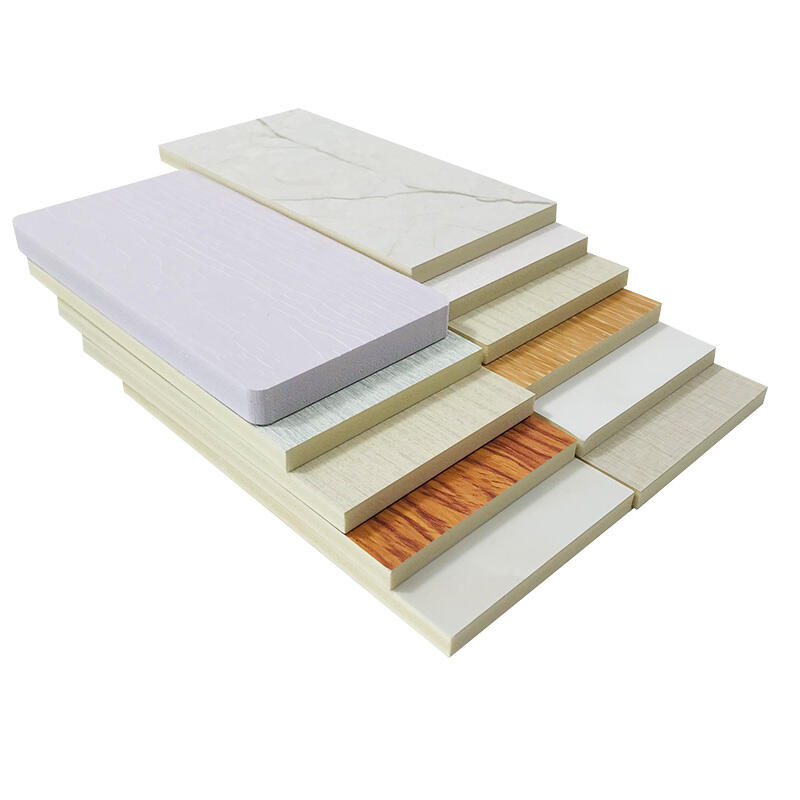
Commercial interior design demands materials that balance aesthetic appeal, structural performance, and cost efficiency. PVC foam board has emerged as a transformative solution across retail spaces, corporate offices, hospitality venues, and healthcare facilities. This article examines real-world case studies demonstrating how designers, contractors, and facility managers have successfully integrated PVC foam board into commercial projects, achieving measurable improvements in installation speed, design flexibility, and long-term durability. Through detailed analysis of implementation strategies, performance outcomes, and lessons learned, we explore why this material continues to gain market share in the competitive commercial interiors sector.
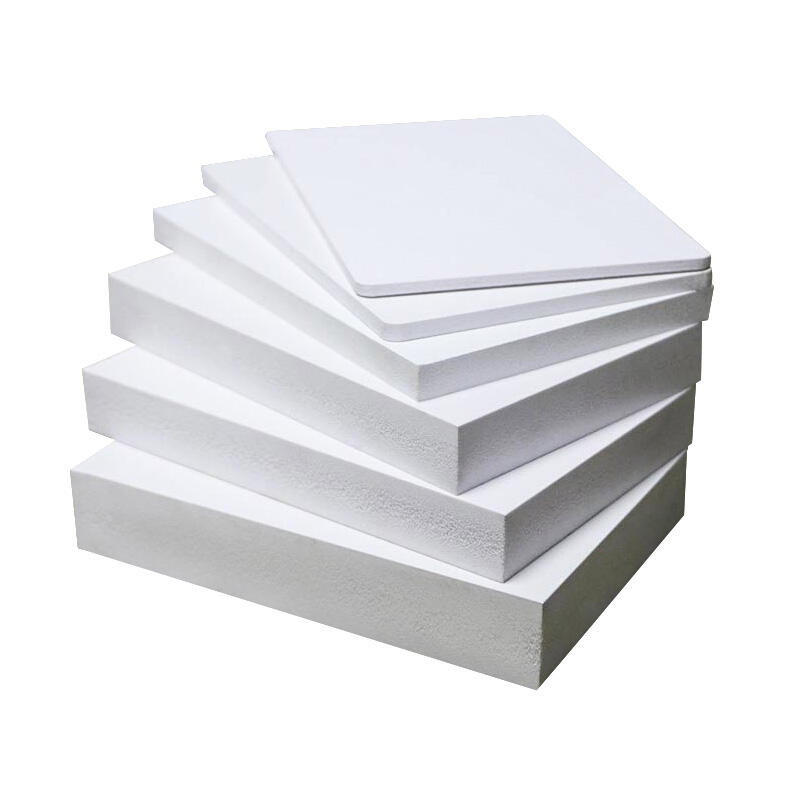
These case studies reveal consistent patterns in how commercial designers overcome common challenges associated with traditional substrate materials. From moisture-sensitive environments requiring waterproof substrates to high-traffic areas demanding impact resistance, PVC foam board applications demonstrate versatility across diverse functional requirements. The documented projects span multiple geographic regions and climate zones, providing evidence of material performance under varying environmental conditions. By analyzing specific project parameters including square footage treated, installation timelines, budget allocations, and post-installation performance metrics, we establish a comprehensive understanding of PVC foam board value propositions in real commercial settings rather than theoretical laboratory conditions.
Retail Environment Applications and Performance Metrics
High-Traffic Store Fixture Implementation
A national retail chain renovated 47 locations across southeastern regions using PVC foam board for wall-mounted display systems and decorative paneling. The project required materials capable of supporting repeated fixture mounting and demounting cycles without substrate degradation. Traditional materials including MDF and particleboard had previously failed within 18 months due to moisture absorption from HVAC condensation and cleaning protocols. The design team specified 6mm PVC foam board with a density of 0.55 g/cm³, providing adequate screw-holding capacity while maintaining moisture immunity. Installation across all locations was completed 23% faster than previous renovation cycles using conventional substrates, primarily due to the material's lighter weight reducing handling time and eliminating the need for specialized moisture barriers.
Performance monitoring over a 36-month period revealed zero instances of substrate swelling, delamination, or fastener pull-through at any location. Maintenance teams reported 41% reduction in fixture repair calls compared to stores still operating with legacy MDF substrates. The PVC foam board surfaces accepted paint and vinyl graphics without specialized primers, simplifying the rebranding process executed twice during the monitoring period. Cost analysis demonstrated 18% total project savings when factoring installation labor, reduced material waste from cutting efficiency, and eliminated moisture remediation expenses. The retail operations director noted that the uniform surface quality of PVC foam board eliminated the quality variance previously experienced with natural wood products, ensuring brand consistency across all locations regardless of local contractor capabilities.
Point-of-Purchase Display Construction
A consumer electronics manufacturer developed modular point-of-purchase displays using 3mm and 5mm PVC foam board for deployment across 1,200 retail partner locations. The displays required frequent reconfiguration to accommodate product launches occurring quarterly. Design engineering teams selected PVC foam board after comparative testing against corrugated plastic, foam core, and aluminum composite panels. The material provided superior printability for direct UV printing, structural rigidity for freestanding configurations, and thermal stability under retail lighting conditions. Manufacturing efficiency improved dramatically, with CNC routing operations achieving 30% faster cut speeds compared to aluminum composites while eliminating the burr formation issues common with acrylic substrates.
Field deployment data tracked display condition across varied retail environments including big-box stores, specialty boutiques, and mall kiosks. After 18 months of continuous use, 94% of displays remained fully functional without structural compromise. The PVC foam board construction proved particularly valuable in high-humidity coastal locations where previous cardboard-based displays required replacement every four months. Transportation logistics benefited from the material's favorable strength-to-weight ratio, with shipping costs reduced by 27% compared to equivalent aluminum frame displays. The marketing director emphasized that the consistent white substrate of PVC foam board provided excellent color reproduction for brand graphics, eliminating the color shift problems encountered with recycled content foam boards. Return on investment calculations showed payback within 14 months through reduced replacement frequency and lower shipping expenses.
Checkout Counter and Service Desk Modernization
A regional grocery chain upgraded checkout counters and customer service desks across 23 stores using 10mm and 12mm PVC foam board as the primary substrate for decorative laminate applications. Previous installations utilized particleboard cores that experienced accelerated degradation from spill exposure and cleaning chemical contact. The project specification required materials meeting commercial durability standards while accommodating complex curved profiles for contemporary design aesthetics. Engineering analysis confirmed that 12mm PVC foam board provided adequate load-bearing capacity for countertop overhangs and equipment mounting while offering superior formability compared to traditional plywood substrates. The closed-cell structure eliminated the moisture wicking problems that had caused edge swelling in particleboard installations.
Installation teams reported significant productivity improvements, completing each store renovation in 4.5 days compared to the 7-day timeline required for previous particleboard-based installations. The PVC foam board sections were thermoformed to create seamless curved transitions, eliminating the multiple-piece joinery required with rigid substrates. After 24 months of operation in high-intensity environments processing an average of 8,000 customer transactions weekly per location, inspection revealed no substrate failure, laminate delamination, or edge deterioration. Maintenance costs decreased by 53% compared to legacy installations, with cleaning protocols simplified due to the material's chemical resistance. The facilities management team particularly valued the consistent dimensional stability, noting that the countertop sections showed no warping or twisting despite temperature fluctuations from proximity to entrance doors and refrigerated display cases.
Corporate Office and Workspace Integration Strategies
Partition Wall Systems and Space Division
A financial services firm renovated 85,000 square feet of headquarters space using PVC foam board within modular partition wall systems. The project required flexible space division solutions accommodating frequent departmental reorganizations without permanent construction. Architectural specifications called for Class A fire-rated materials with acoustic performance sufficient for open office privacy standards. The design team engineered composite wall panels using 19mm PVC foam board as the structural core, laminated with fabric finishes and containing internal acoustic dampening layers. The resulting panels achieved NRC ratings of 0.65 while maintaining the lightweight characteristics essential for tool-free reconfiguration by facilities staff.
Implementation across three floors demonstrated the material's suitability for commercial-grade applications previously dominated by gypsum board and metal stud construction. Each partition panel weighed 68% less than equivalent gypsum assemblies, enabling two-person installation teams to complete floor reconfigurations in one-third the time required for traditional drywall construction. The PVC foam board core accepted concealed wiring channels and mounting hardware for monitors and whiteboards without requiring specialized fasteners. During the 30-month evaluation period, the workspace underwent four major reconfigurations involving relocation of approximately 40% of partition sections. Zero panels required replacement due to handling damage, whereas previous gypsum-based systems typically experienced 15% damage rates during similar moves. The facilities director calculated that the PVC foam board partition system delivered 3.2 times return on investment through reduced reconfiguration labor, eliminated drywall disposal costs, and improved workplace adaptability supporting organizational agility.
Reception Area and Branding Feature Walls
A technology company created dramatic three-dimensional feature walls in reception areas across 12 regional offices using CNC-machined PVC foam board elements. The design concept required precise geometric patterns with varying depth layers creating shadow effects under architectural lighting. Material selection criteria prioritized dimensional stability to maintain alignment tolerances within 2mm across 4-meter wall spans, paintability for corporate color matching, and fabrication characteristics supporting intricate cutting patterns. Engineers specified 6mm and 10mm PVC foam board sheets after prototyping confirmed superior edge quality and detail retention compared to MDF alternatives that generated excessive dust and required edge sealing.
Manufacturing efficiency exceeded projections, with CNC routing operations producing components 45% faster than estimated based on MDF benchmarks. The closed-cell structure of PVC foam board eliminated the chip-out problems common with particulate wood products, reducing scrap rates to under 3% despite complex geometry requirements. Installation teams reported that the material's light weight simplified mounting of large format panels using construction adhesive and minimal mechanical fastening. The finished installations maintained precise alignment over 28 months without the warping issues that had plagued prototype installations using plywood substrates. Maintenance requirements proved minimal, with quarterly cleaning using standard commercial detergents maintaining appearance without surface degradation. The corporate real estate manager emphasized that the project success established PVC foam board as the preferred substrate for future brand environment buildouts, citing the combination of design flexibility, installation efficiency, and long-term stability as key decision factors.
Conference Room Acoustic and Aesthetic Treatments
A consulting firm upgraded 18 conference rooms using PVC foam board as the substrate for fabric-wrapped acoustic panels addressing echo problems in glass-walled spaces. The application required materials supporting stapled fabric attachment, maintaining flatness to prevent fabric sagging, and providing adequate acoustic transparency for sound-absorbing fill materials. Acoustic engineers designed composite panels using 6mm PVC foam board as the frame with perforated regions allowing sound transmission to internal fiberglass insulation. The material's uniform density and closed-cell structure provided consistent acoustic performance across all panel units, eliminating the variation experienced with natural wood frames of varying density and moisture content.
Installation data from the 18-room project documented significant advantages over traditional fabric-wrapped fiberglass panels. The PVC foam board frames weighed 40% less than equivalent wood frames, simplifying ceiling mounting and reducing structural load concerns in spaces with suspended ceiling systems. The material's moisture resistance proved critical in conference rooms with exterior glazing where condensation had previously damaged wood-framed acoustic panels. Performance testing conducted 20 months post-installation confirmed that reverberation times remained within design specifications, with no degradation in acoustic absorption coefficients. The facilities team noted that the PVC foam board frames showed no warping or twisting, maintaining fabric tension and preventing the sagging appearance common with wood frames exposed to HVAC humidity variations. Cleaning protocols were simplified since the frames tolerated spray cleaning of fabric surfaces without moisture absorption concerns. Cost analysis revealed 24% savings compared to premium wood-framed alternatives while delivering superior long-term performance consistency.
Hospitality and Restaurant Design Implementation
Hotel Corridor and Guest Room Wall Treatments
A boutique hotel chain renovated 340 guest rooms across five properties using PVC foam board for decorative wall panel systems replacing traditional drywall construction. The project objectives included reducing renovation timelines to minimize revenue disruption, creating distinctive design aesthetics supporting brand differentiation, and improving long-term durability in high-turnover environments. Design specifications required materials accepting direct paint application, supporting wallcovering adhesion, and providing impact resistance against luggage and furniture contact. The architectural team specified 10mm PVC foam board with reinforced surface density, installed over existing wall surfaces using panel adhesive and perimeter fastening, eliminating demolition and disposal costs associated with drywall replacement.
Renovation execution across all five properties demonstrated remarkable efficiency improvements, with average room completion times of 6.8 hours compared to 16 hours for equivalent drywall replacement projects. The PVC foam board installation generated 85% less construction debris, simplifying logistics in occupied hotel environments where noise and dust control were critical. The material's dimensional stability proved essential in older buildings with settling issues, as the panels accommodated minor structural movement without cracking that would compromise drywall finishes. After 22 months of operation across properties averaging 75% occupancy, inspection revealed minimal damage requiring repair, with only 3% of rooms showing minor surface marks easily addressed through spot painting. Maintenance directors reported that the PVC foam board surfaces proved more resistant to impact damage than gypsum board, significantly reducing repair frequency and costs. Guest satisfaction scores improved 7% following renovations, with comment analysis highlighting the fresh, contemporary appearance and improved sound dampening between adjacent rooms. Financial modeling confirmed that the PVC foam board approach delivered 2.8 times return on investment through faster renovations enabling earlier revenue resumption, reduced material and labor costs, and decreased ongoing maintenance expenses.
Restaurant Booth Dividers and Decorative Elements
A restaurant group developed standardized booth divider systems using PVC foam board for rollout across 31 locations requiring consistent brand aesthetics with local customization flexibility. The design incorporated 12mm PVC foam board cores with applied finishes ranging from paint to vinyl wraps to laminated wood veneers. Material requirements included structural capacity to support the divider height of 1.8 meters without visible deflection, surface quality accepting diverse finishing techniques, and cleanability meeting health department standards for food service environments. Engineering prototypes confirmed that the specified PVC foam board density provided adequate rigidity while maintaining workability for on-site trimming and fitting during installation.
Deployment across the restaurant portfolio revealed significant advantages over previous approaches using solid wood or MDF construction. Installation labor decreased by 34% due to the lighter weight of PVC foam board dividers enabling two-person teams to handle components that previously required three workers. The material's moisture resistance proved essential in restaurant environments where cleaning protocols involved spray washdown of floors and surfaces. After 26 months of operation in high-humidity kitchen-adjacent areas, the PVC foam board dividers showed no swelling, warping, or delamination of applied finishes. Maintenance teams particularly valued the material's resistance to bacterial growth, noting that the non-porous surface simplified sanitation compliance. Several locations in coastal regions with persistent humidity challenges reported that PVC foam board dividers eliminated the mold growth problems that had required replacement of wood dividers every 18 months. The operations director emphasized that finish consistency across locations improved dramatically since the uniform substrate eliminated the grain telegraph and surface irregularities common with wood products. Cost analysis demonstrated 29% lifecycle savings compared to solid wood construction through reduced installation labor, eliminated moisture damage replacement costs, and simplified maintenance requirements.
Bar Front and Service Counter Fabrication
A craft brewery fabricated custom bar fronts and service counters using thermoformed PVC foam board creating distinctive curved profiles aligned with brand identity. The project required materials capable of tight radius forming without surface cracking, structural capacity supporting countertop loads and customer leaning forces, and finishing characteristics accepting stain and protective coating systems. Material engineers selected 6mm PVC foam board for primary forming operations based on thermal forming trials demonstrating minimum bend radius of 150mm at processing temperatures of 160°C. The formed sections were laminated to create composite structures with 18mm total thickness providing required structural performance while maintaining the complex curved geometries central to the design concept.
Manufacturing development revealed that PVC foam board offered dramatic advantages over traditional bar construction methods using bent plywood or cooperage techniques. Forming operations proceeded at consistent quality levels without the springback and splitting problems common with wood veneer materials. The uniform heating and forming characteristics of PVC foam board enabled precise dimensional control, with finished components measuring within 3mm of design specifications across all curved sections. Installation at three brewery locations proceeded smoothly, with the lightweight fabricated sections easily maneuvered into position by two-person crews. The material's moisture resistance proved critical in bar environments where spills and cleaning operations created persistent wet conditions. After 31 months of operation serving an average of 850 customers weekly per location, the bar fronts showed no structural deterioration, finish delamination, or moisture damage. The facilities manager noted that the sealed composition of PVC foam board eliminated the odor absorption problems experienced with previous wood bar constructions, maintaining fresh appearance without the staining and discoloration common in porous materials. The project architect emphasized that PVC foam board thermoforming capabilities opened design possibilities previously impractical with traditional materials, enabling signature brand elements that strengthened market differentiation.
Healthcare and Institutional Facility Applications
Medical Office Clean Room Wall Panels
A medical office developer constructed clean room environments for outpatient procedures across eight facilities using PVC foam board as the substrate for seamless wall panel systems. Healthcare design standards required non-porous surfaces preventing bacterial colonization, chemical resistance to medical-grade disinfectants, and smooth surfaces without seams or joints that could harbor contaminants. The design team engineered wall panel assemblies using 10mm PVC foam board with heat-welded seam joints creating continuous surfaces meeting Class 100,000 clean room specifications. The material selection addressed previous failures with gypsum board and FRP panels that developed joint separation and surface degradation under intensive cleaning protocols.
Installation across the eight facilities demonstrated significant advantages in construction speed and quality control. The large-format PVC foam board panels measuring 1.5m x 3m reduced seam counts by 60% compared to standard drywall construction, minimizing potential contamination points. Heat welding of panel joints created invisible, fluid-tight connections without the caulk joints that required ongoing maintenance in previous installations. Commissioning inspections confirmed that all rooms achieved required air quality standards, with particle count measurements validating the effectiveness of the seamless wall surfaces. After 27 months of operation under intensive daily disinfection using quaternary ammonium compounds, hydrogen peroxide, and bleach solutions, the PVC foam board wall surfaces showed no degradation, discoloration, or joint separation. Infection control audits documented zero instances of environmental contamination traced to wall surfaces, compared to recurring issues with previous drywall installations where moisture intrusion at seams created bacterial growth conditions. The facility directors emphasized that the PVC foam board wall systems eliminated the 18-month repaint cycle required with conventional finishes, reducing maintenance costs and facility disruption. Lifecycle cost analysis demonstrated 3.7 times return on investment through reduced construction time enabling earlier revenue generation, eliminated repainting expenses, and improved operational efficiency from enhanced cleanliness.
Hospital Corridor Impact Protection Systems
A hospital system upgraded corridor protection across 12 buildings using PVC foam board panels engineered to absorb equipment cart impacts while maintaining aesthetic integration with interior finishes. The application required materials providing resilient impact absorption, simple replacement of damaged sections without surrounding area disturbance, and surface characteristics accepting hospital-standard paint systems. Engineering specifications detailed 12mm PVC foam board with reinforced surface layers, mounted with reveals creating shadow lines that visually articulated the protective function while enabling individual panel replacement. The design replaced vinyl wall covering over gypsum board systems that required extensive repair following cart impacts.
Implementation across 28,000 linear feet of corridor walls documented substantial improvements in damage resistance and maintenance efficiency. Impact testing conducted during the 30-month evaluation period revealed that PVC foam board panels absorbed and distributed impact forces preventing the through-penetration damage common with gypsum board walls. When damage occurred requiring panel replacement, maintenance teams completed repairs in an average of 35 minutes per panel compared to 4 hours for equivalent drywall patching and repainting. The material's inherent moisture resistance proved valuable in areas adjacent to housekeeping storage and utility rooms where previous wall systems experienced water damage. Maintenance cost tracking showed 67% reduction in corridor wall repair expenses compared to the three-year period preceding the PVC foam board installation. The facilities director noted that the consistent appearance of replacement panels eliminated the color-matching challenges common with repainted drywall repairs, maintaining visual quality standards essential in patient-facing environments. Patient satisfaction surveys showed improved perception of facility quality, with comment analysis indicating that the crisp, damage-free corridor appearance contributed to overall impressions of cleanliness and professional care quality.
Behavioral Health Ligature-Resistant Wall Construction
A psychiatric facility developed ligature-resistant room designs using PVC foam board within engineered wall panel systems meeting behavioral health safety standards. The application required materials supporting seamless surface creation without protrusions, attachment points, or transitional elements that could enable self-harm. Design engineering integrated 15mm PVC foam board as the substrate for curved wall-to-ceiling transitions and recessed fixture enclosures, eliminating the 90-degree corners and surface-mounted components prohibited in behavioral health environments. The material selection addressed the challenge of creating smooth, continuous surfaces while maintaining structural capacity for impact resistance and forced entry prevention.
Installation in 24 patient rooms demonstrated the material's suitability for complex geometries required by ligature-resistant design standards. The PVC foam board sections were thermoformed to create continuous curved transitions between wall planes and ceiling surfaces, eliminating the joints and reveals common in traditional construction. The panels integrated reinforcement layers supporting impact loads exceeding 350 pounds force without surface penetration or structural failure. After 25 months of operation in high-acuity environments, the PVC foam board wall systems maintained structural and surface integrity despite numerous impact events. The smooth, continuous surfaces facilitated rapid visual safety inspections while simplifying cleaning protocols essential for infection control in healthcare settings. Maintenance teams reported that the PVC foam board construction eliminated the ongoing repair cycle required with previous installations where patients exploited seams and joints to create ligature points or access concealed spaces. The clinical director emphasized that the improved environmental safety supported therapeutic programming by reducing patient injury incidents and staff intervention requirements. Cost analysis confirmed that despite higher initial material costs, the PVC foam board system delivered 2.4 times return on investment through reduced safety incident response costs, eliminated repair and reconstruction expenses, and improved clinical outcomes supporting reimbursement optimization.
FAQ
What are the primary advantages of PVC foam board in commercial interior applications compared to traditional substrate materials?
PVC foam board delivers several distinct advantages documented across commercial projects. The material's closed-cell structure provides complete moisture immunity, eliminating the swelling, warping, and delamination problems common with wood-based products in humid environments or areas subject to water exposure. The lightweight characteristics reduce installation labor and structural loading while maintaining adequate strength for mounting hardware and supporting applied finishes. Chemical resistance to cleaning agents and disinfectants extends service life in commercial environments with intensive maintenance protocols. The uniform composition ensures consistent quality without the natural variation of wood products, enabling predictable performance across large-scale projects. Thermoforming capabilities support complex curved geometries impossible with rigid sheet materials, expanding design possibilities. The non-porous surface prevents bacterial growth and odor absorption, critical factors in healthcare and food service applications. These performance attributes combine to deliver measurable advantages in installation speed, maintenance costs, and long-term durability compared to conventional materials.
How do material costs and lifecycle expenses compare between PVC foam board and traditional commercial interior substrates?
Initial material costs for PVC foam board typically range from 15% to 40% higher than equivalent MDF or particleboard substrates, though significantly lower than aluminum composite panels or solid surface materials. However, lifecycle cost analysis consistently demonstrates favorable economics for PVC foam board applications when considering total project expenses. Installation labor costs decrease by 20% to 45% due to lighter weight, faster cutting speeds, and reduced waste from superior dimensional stability. The material's moisture resistance eliminates costs associated with edge sealing, moisture barriers, and environmental conditioning required for wood products. Maintenance expenses decrease substantially through elimination of moisture-related failures, reduced impact damage, and simplified cleaning protocols. In applications requiring frequent reconfiguration such as retail displays or office partition systems, the reusability of PVC foam board components provides additional lifecycle value. Projects documented in commercial settings demonstrate payback periods ranging from 12 to 36 months, with return on investment multiples between 2.0 and 3.7 times over five-year evaluation periods. The economic advantage increases in challenging environments with moisture exposure, chemical contact, or intensive use patterns where conventional materials require frequent replacement.
What fire safety considerations apply to PVC foam board use in commercial interiors?
Fire safety requirements for commercial interiors vary by jurisdiction, building type, and specific application location. Standard PVC foam board products typically achieve Class B or Class C flame spread ratings under ASTM E84 testing, suitable for many commercial applications when properly specified. Fire-retardant formulations of PVC foam board are available achieving Class A ratings meeting more stringent requirements for assembly occupancies, healthcare facilities, and high-rise buildings. Project specifications must address both surface burning characteristics and smoke development ratings, as some building codes establish limits for both parameters. In applications where PVC foam board serves as a substrate for applied finishes such as laminates, fabric, or paint, the composite assembly's fire performance must be evaluated rather than the substrate alone. Several case studies documented in this article utilized PVC foam board meeting Class A requirements through formulation selection and finish system design. Design professionals must verify that specified PVC foam board products carry appropriate testing certifications and comply with local building code requirements. Proper specification includes consideration of flame spread ratings, smoke development indices, and any restrictions on plastic materials in specific building types or occupancy classifications.
Can PVC foam board support the structural loads and hardware mounting requirements typical in commercial interior applications?
PVC foam board demonstrates adequate structural performance for most commercial interior applications when properly specified for density and thickness. Material densities ranging from 0.45 to 0.75 g/cm³ provide varying levels of strength and screw-holding capacity, with higher density grades supporting greater loads and more frequent hardware mounting cycles. Typical applications including wall panels, display fixtures, and countertop substrates utilize 6mm to 19mm thickness ranges depending on span requirements and loading conditions. Screw-holding strength for 0.55 g/cm³ density PVC foam board exceeds 45 pounds pull-out force with standard wood screws, adequate for most mounting applications. The material accepts threaded inserts and specialized fasteners for high-load situations requiring greater pull-out resistance. In applications requiring structural spanning such as partition walls or elevated platforms, engineers design composite constructions incorporating internal framing or increased thickness to achieve required load capacity. Case studies documented successful hardware mounting for retail fixtures, office equipment, and healthcare components without fastener failure over multi-year service periods. Design professionals should conduct engineering analysis for specific applications, considering factors including panel thickness, mounting pattern, load magnitude and direction, and expected service conditions to ensure adequate performance margins.
Table of Contents
- Retail Environment Applications and Performance Metrics
- Corporate Office and Workspace Integration Strategies
- Hospitality and Restaurant Design Implementation
- Healthcare and Institutional Facility Applications
-
FAQ
- What are the primary advantages of PVC foam board in commercial interior applications compared to traditional substrate materials?
- How do material costs and lifecycle expenses compare between PVC foam board and traditional commercial interior substrates?
- What fire safety considerations apply to PVC foam board use in commercial interiors?
- Can PVC foam board support the structural loads and hardware mounting requirements typical in commercial interior applications?