 EN
EN

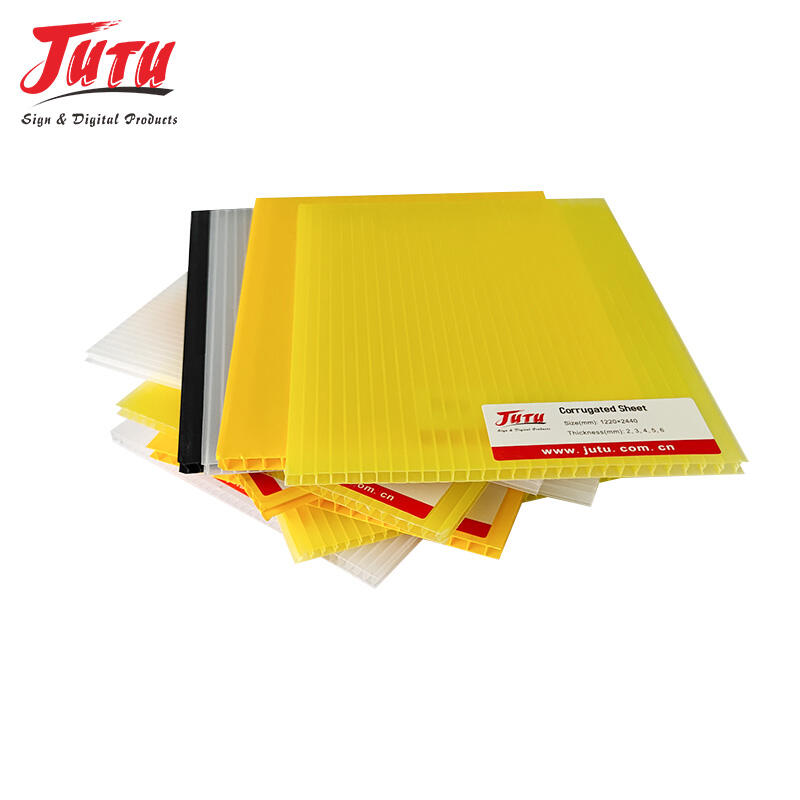
The evolution of PVC foam board as a versatile building and fabrication material has been dramatically shaped by advances in surface finishing technologies and texture engineering. Today's manufacturers are pushing the boundaries of what PVC foam board can achieve aesthetically and functionally, offering designers, architects, and fabricators an unprecedented range of finishes and textures that transform this lightweight cellular material into a premium solution for diverse applications. From photorealistic wood grains to metallic sheens, contemporary PVC foam board surfaces are redefining expectations for polymer-based sheet materials in commercial interiors, signage, exhibition displays, and architectural cladding projects.
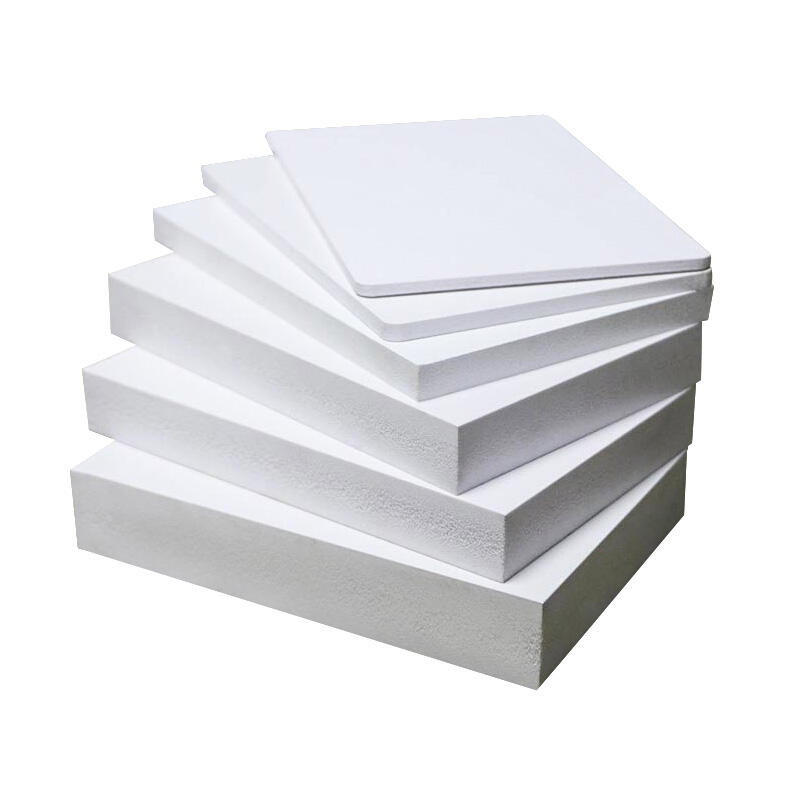
Understanding the latest innovations in PVC foam board finishes requires examining not just the aesthetic outcomes but also the manufacturing techniques, durability characteristics, and application-specific benefits that different surface treatments provide. This exploration reveals how cutting-edge finishing processes are expanding the material's design vocabulary while maintaining the core advantages that have made PVC foam board a preferred choice across industries: exceptional dimensional stability, superior machinability, excellent chemical resistance, and outstanding weight-to-strength ratios. Whether you're specifying materials for high-traffic retail environments or precision-crafted exhibition systems, the right finish can dramatically enhance both the visual impact and functional performance of PVC foam board installations.
Advanced Surface Finishing Technologies Transforming PVC Foam Board
Digital Printing and UV-Curable Ink Systems
The integration of advanced digital printing technology with UV-curable ink systems has revolutionized how PVC foam board surfaces are decorated and finished. High-resolution direct-to-substrate printing enables photographic-quality imagery and complex graphic patterns to be applied directly onto PVC foam board surfaces with exceptional color fidelity and edge definition. These UV-curable inks bond chemically with the cellular PVC substrate through photoinitiated polymerization, creating finishes that resist scratching, fading, and chemical degradation far better than conventional solvent-based printing methods. The technology allows for variable data printing, enabling customized finishes on individual boards within production runs without setup changes or additional tooling costs.
Modern UV flatbed printers equipped with white ink capabilities can create vibrant, opaque graphics on both white and colored PVC foam board substrates, expanding creative possibilities for designers working with this versatile material. The ability to print textured varnishes simultaneously with color imagery adds a tactile dimension that enhances realism in wood grain, stone, and fabric simulations. Many fabricators now combine digital printing with subsequent lamination or clear coating processes to achieve specific gloss levels or additional protective properties, creating composite finishing systems that leverage the best characteristics of multiple technologies applied to PVC foam board surfaces.
Thermal Lamination and Film Overlay Systems
Thermal lamination represents one of the most widely adopted methods for applying decorative and protective finishes to PVC foam board, offering exceptional durability and aesthetic consistency across large production volumes. This process involves applying pre-printed or textured polymer films to the substrate under controlled heat and pressure, creating a permanent molecular bond that resists delamination even under extreme environmental conditions. The film overlay systems available for PVC foam board range from simple solid colors and metallic finishes to complex three-dimensional textures that replicate natural materials with remarkable authenticity. Advanced textured films incorporate micro-embossing patterns that create tactile surface variations synchronized with printed visual patterns, producing convincing wood, leather, and textile simulations.
The selection of appropriate lamination films significantly impacts the final performance characteristics of finished PVC foam board products. High-pressure laminate films provide exceptional scratch and impact resistance suitable for high-traffic applications, while softer textured films offer more authentic tactile experiences for interior design applications where touch interaction is important. Many contemporary lamination systems incorporate UV-stabilizing additives and anti-graffiti coatings directly into the film structure, eliminating the need for subsequent protective treatments. The thermal bonding process itself can be calibrated to accommodate the unique thermal expansion characteristics of cellular PVC foam board, preventing the warping and buckling issues that sometimes occur when incompatible materials are combined.
In-Mold Decoration and Coextrusion Techniques
Cutting-edge manufacturing approaches increasingly integrate finish application directly into the PVC foam board production process through in-mold decoration and coextrusion technologies. In-mold decoration places pre-printed decorative films into the extrusion mold before the foaming process begins, resulting in finished boards where the surface treatment is molecularly integrated with the cellular core structure. This approach eliminates post-production finishing steps while creating exceptionally durable surfaces that cannot delaminate because there is no distinct boundary between the decorative layer and the substrate. Coextrusion techniques take this integration further by simultaneously extruding a solid PVC cap layer with distinct color or texture properties alongside the foamed core material.
These integrated finishing approaches offer particular advantages for applications requiring consistent color throughout the material thickness and superior edge quality without secondary operations. When PVC foam board produced through coextrusion is cut or routed, the exposed edges display the same finish characteristics as the face surfaces, eliminating the visual discontinuity that occurs with laminated or printed boards. The cap layer in coextruded products can be formulated with specialized additives that enhance specific performance attributes such as flame retardancy, antimicrobial properties, or enhanced UV stability without compromising the lightweight structural advantages of the foamed core. This technology enables manufacturers to create PVC foam board variants optimized for specific demanding applications while maintaining aesthetic consistency across all visible surfaces.
Innovative Texture Patterns Expanding Design Possibilities
Biomimetic Textures Replicating Natural Materials
The development of biomimetic textures for PVC foam board represents a significant advance in making synthetic materials visually and tactilely indistinguishable from their natural counterparts. Advanced three-dimensional scanning technology captures the microscopic surface topography of wood species, stone varieties, and textile weaves, which is then translated into embossing patterns that can be applied to PVC foam board through thermal pressing or in-line calendaring processes. These hyper-realistic textures incorporate subtle variations in depth, grain direction, and surface irregularity that mimic the organic randomness found in natural materials, avoiding the repetitive patterns that characterized earlier generations of textured synthetic surfaces.
Contemporary wood grain textures for PVC foam board now include synchronized registration where the visual grain pattern printed or laminated onto the surface aligns precisely with the physical texture embossed into the material. This registration creates a multi-sensory authenticity that satisfies both visual inspection and touch verification, making textured PVC foam board suitable for applications where material authenticity is scrutinized closely. Stone texture patterns similarly incorporate the crystalline irregularities, weathering patterns, and mineral inclusion characteristics found in natural granite, marble, and slate, enabling designers to achieve the aesthetic impact of natural stone cladding with the weight savings and machinability advantages inherent to cellular PVC materials.
Geometric and Abstract Surface Patterns
Beyond naturalistic textures, cutting-edge PVC foam board finishes increasingly embrace geometric and abstract surface patterns that celebrate the material's synthetic nature while adding distinctive visual and tactile interest. Linear groove patterns, hexagonal dimpling, wave formations, and parametric surface modulations create dynamic light-shadow interactions that change dramatically with viewing angle and illumination conditions. These engineered textures serve both aesthetic and functional purposes, with certain patterns improving acoustic absorption characteristics, enhancing grip in horizontal walking surfaces, or facilitating controlled airflow in ventilation applications where PVC foam board is used as a functional component rather than purely decorative element.
The precision achievable in modern texture application allows designers to specify micro-textures that influence surface properties at the microscopic level. Matte finishes incorporate fine random texturing that diffuses light reflection, reducing glare in display and signage applications where PVC foam board serves as a substrate for illuminated graphics. Conversely, precisely controlled micro-glossing in selected areas creates spot-gloss effects where text or graphic elements exhibit different reflective properties than surrounding areas, adding dimensional complexity without requiring multiple material layers. These sophisticated texture applications transform PVC foam board from a simple substrate material into an active design element that contributes meaningfully to overall aesthetic outcomes.
Functional Textures Enhancing Performance Characteristics
An emerging category of PVC foam board textures prioritizes functional performance enhancement alongside or instead of purely decorative objectives. Anti-slip textures featuring raised geometric patterns or random roughening provide improved traction for temporary flooring, walkway, and platform applications where safety considerations are paramount. These functional textures are engineered to specific coefficient-of-friction requirements while remaining compatible with the material's inherent properties and fabrication processes. Hydrophobic micro-textures inspired by lotus leaf structures promote water shedding and self-cleaning behaviors, extending the service intervals required for exterior PVC foam board installations in architectural cladding and signage applications.
Acoustically optimized textures represent another functional innovation, with precisely calculated surface modulations that scatter sound waves across broader frequency spectrums than smooth surfaces, improving the acoustic performance of PVC foam board when used in interior partition and ceiling systems. These performance-enhancing textures demonstrate how surface finishing technology is expanding beyond purely aesthetic considerations to make PVC foam board suitable for increasingly demanding technical applications. The ability to combine functional texture benefits with decorative finishes through multi-layer or hybrid finishing processes creates opportunities for truly optimized solutions where a single PVC foam board specification addresses multiple project requirements simultaneously.
Specialized Coating Systems for Enhanced Durability
Nano-Technology Enhanced Protective Coatings
The application of nano-technology enhanced protective coatings to PVC foam board surfaces represents a quantum leap in material performance, particularly for demanding exterior and high-traffic applications. These advanced coating systems incorporate nano-scale particles that create exceptionally dense, chemically resistant surface layers with self-healing properties that repair minor scratches and abrasions automatically. Titanium dioxide nanoparticles in photocatalytic coatings provide continuous surface cleaning through UV-activated decomposition of organic contaminants, maintaining the appearance of exterior PVC foam board installations without manual cleaning interventions. The nano-structured surface topology created by these coatings also exhibits superior hardness compared to conventional polymer coatings, dramatically extending the service life of finished products.
Hydrophobic and oleophobic nano-coatings create ultra-smooth molecular surfaces that repel both water and oil-based substances, preventing staining and facilitating easy maintenance of PVC foam board in food service, healthcare, and public space applications where hygiene and appearance retention are critical. These coatings can be applied as final treatments over digitally printed or laminated finishes, providing an invisible protective layer that doesn't alter the underlying aesthetic while significantly enhancing durability. The molecular bonding achieved by nano-enhanced coatings creates exceptional adhesion to PVC foam board substrates, eliminating the delamination and edge-lifting problems that sometimes plague conventionally coated materials in challenging service environments.
UV-Stabilization and Weather-Resistant Systems
Extended exterior exposure presents particular challenges for PVC foam board, making advanced UV-stabilization and weather-resistant coating systems essential for outdoor applications. Contemporary UV-protective coatings incorporate multiple mechanisms including UV-absorbing molecules that convert damaging radiation to harmless heat, hindered amine light stabilizers that neutralize free radicals generated by UV exposure, and reflective pigments that minimize solar heat absorption. These multi-mechanism protection systems prevent the color fading, surface chalking, and mechanical property degradation that historically limited the outdoor service life of unprotected PVC foam board installations.
Weather-resistant coating formulations designed specifically for PVC foam board also address moisture management, preventing water absorption that can compromise the dimensional stability and thermal insulation properties of cellular PVC structures. Breathable coating technologies allow internal moisture vapor to escape while preventing liquid water penetration, maintaining optimal performance in varying environmental conditions. The elasticity of advanced weather-resistant coatings accommodates the modest thermal expansion and contraction that PVC foam board experiences across seasonal temperature ranges without cracking or delaminating. Field performance data now documents exterior PVC foam board installations with premium UV-stabilized coatings maintaining excellent appearance and structural integrity for over fifteen years in direct sunlight exposure, rivaling the durability of much more expensive material alternatives.
Antimicrobial and Easy-Clean Surface Treatments
Healthcare, food processing, and public transit sectors increasingly specify PVC foam board with antimicrobial surface treatments that actively inhibit bacterial growth and facilitate thorough disinfection. Silver ion technology embedded in surface coatings provides continuous antimicrobial protection through controlled release mechanisms that remain effective throughout the product's service life. These treatments don't simply resist bacterial adhesion but actively kill microorganisms on contact, meeting stringent hygiene standards for healthcare environments while maintaining the aesthetic qualities expected in public-facing applications. Antimicrobial treatments can be incorporated into textured finishes, ensuring that decorative PVC foam board installations in medical facilities contribute to infection control objectives without aesthetic compromise.
Easy-clean surface treatments complement antimicrobial technologies by creating non-porous, chemically resistant surfaces that resist absorption of spills, stains, and cleaning agents. These treatments enable PVC foam board to withstand repeated cleaning with aggressive disinfectants and solvents without surface degradation, color change, or loss of texture definition. The combination of antimicrobial activity and easy-clean properties positions specially treated PVC foam board as an ideal material for wall protection, partition systems, and cabinetry in demanding hygienic environments. Recent innovations include treatments that indicate cleaning compliance through temporary color changes when appropriate disinfectants are applied, providing visual verification of proper sanitization protocols in healthcare and food service settings.
Color Science and Custom Finishing Capabilities
Advanced Pigmentation and Color Matching Technology
The color capabilities available for PVC foam board have expanded dramatically through advances in pigmentation technology and spectrophotometric color matching systems. Modern colorants formulated specifically for PVC applications provide exceptional lightfastness and heat stability, maintaining true color throughout the manufacturing process and across extended service lives. Computer-controlled spectrophotometers enable precise color matching to virtually any reference sample, with manufacturers now able to produce custom-colored PVC foam board in relatively small quantities that exactly match corporate branding standards, architectural specifications, or design intent samples. This capability eliminates the color compromise that historically forced designers to select from limited standard color ranges.
Contemporary pigment systems for PVC foam board include specialized effect pigments that create metallic, pearlescent, and color-shift finishes previously achievable only through applied coatings. These effect pigments are incorporated directly into surface layers during manufacturing, creating integral color effects that appear consistent from all viewing angles and remain stable through subsequent fabrication operations. The development of UV-fluorescent and phosphorescent pigments enables safety signage and wayfinding applications where PVC foam board components provide enhanced visibility in low-light or emergency conditions. Color consistency across production batches has improved substantially through automated mixing systems and inline color monitoring, ensuring that large projects specified in custom colors maintain perfect uniformity across multiple production runs and installation phases.
Multi-Layer Color Systems and Gradient Finishes
Sophisticated multi-layer manufacturing processes enable PVC foam board to exhibit complex color transitions and gradient effects that add depth and visual interest impossible to achieve with single-layer coloring approaches. Coextrusion technology can produce boards with distinctly different colors on opposite faces, eliminating the need for secondary finishing operations when both sides will be visible in final installations. More advanced multi-layer systems create color gradients within the board thickness, so that routed edges reveal attractive transitional colors rather than the stark contrast between a colored surface layer and white foam core typical of laminated products.
Gradient finishing techniques applied to PVC foam board surfaces range from subtle tonal variations that add dimensionality to bold ombré effects that create dramatic visual impact. Digital printing technology enables precise control of gradient transitions, producing effects that would be extremely difficult to achieve through conventional painting or coating methods. These gradient finishes are particularly effective in large-format architectural applications where expansive PVC foam board installations benefit from visual movement and depth that breaks up monotonous flat color fields. The combination of gradient coloring with textured surfaces creates particularly sophisticated aesthetic outcomes where color transitions enhance and emphasize surface topography variations.
Metallic and Special Effect Finishes
Metallic finishes for PVC foam board have evolved far beyond simple silver and gold effects to encompass a comprehensive palette of metal simulations including brushed aluminum, oxidized copper, aged bronze, and contemporary rose gold appearances. These metallic effects are achieved through various technologies including vacuum metallization, metallic ink printing, and metal-effect laminating films, each offering distinct characteristics suited to different application requirements. Vacuum metallization creates authentic mirror-like finishes with genuine metal deposition on PVC foam board surfaces, providing the most realistic metallic appearance but requiring careful handling to prevent scratching. Printed metallic effects offer greater durability and scratch resistance while maintaining convincing metallic appearance under normal viewing conditions.
Special effect finishes extend beyond metallic appearances to include holographic patterns, color-shifting interference coatings, and translucent effects that interact with transmitted or backlighting. Holographic lamination films applied to PVC foam board create eye-catching dimensional effects particularly valued in retail display and exhibition applications where visual impact drives engagement. Color-shifting coatings change appearance dramatically with viewing angle, creating dynamic visual interest in installations where viewers move past PVC foam board surfaces. Translucent effects are achieved through specialized white or colored PVC foam board formulations with controlled light transmission properties, enabling backlit signage and display applications where the material serves simultaneously as substrate and diffuser for illumination systems.
Application-Specific Finishing Considerations
Architectural Cladding and Interior Systems
When specifying finishes for architectural applications, the selection criteria for PVC foam board extend beyond aesthetics to encompass fire performance, acoustic properties, and long-term maintenance considerations. Many architectural specifications require Class A or Class 1 fire ratings, necessitating flame-retardant surface treatments or inherently fire-resistant finishing systems that don't compromise the underlying fire performance of the PVC foam board substrate. Intumescent coatings that expand when exposed to heat provide additional fire protection while maintaining normal appearance under typical service conditions. The interaction between textured finishes and acoustic performance becomes particularly relevant in interior partition and ceiling applications, where surface configuration significantly influences sound absorption and transmission characteristics.
Architectural-grade finishes for PVC foam board must also address the practical realities of construction environments including exposure to typical building materials, construction chemicals, and the physical impacts of installation processes. Scratch-resistant coatings and impact-resistant laminate systems protect investment in premium finishes during construction and throughout building occupancy. The ease of field modification represents another important consideration, with some finishing systems allowing touch-up and repair of minor damage while others require complete panel replacement when damaged. Manufacturers now offer PVC foam board with specialized edge finishing systems that create clean, finished appearances even on cut edges, eliminating the need for applied edge banding or trim components in many architectural applications.
Signage and Visual Communication Applications
The unique requirements of signage and visual communication applications drive specialized finishing approaches for PVC foam board used in this sector. High-contrast matte finishes eliminate glare and reflections that can compromise readability of text and graphics, particularly important for wayfinding signage in institutional and commercial environments. Conversely, high-gloss finishes maximize color saturation and visual impact for promotional signage where attention-getting capability is the primary objective. The printability of various PVC foam board finishes varies significantly, with some surface treatments optimized specifically for digital printing while others are designed for vinyl graphics application or screen printing processes.
Dimensional stability across varying environmental conditions is particularly critical for precision signage applications where PVC foam board serves as substrate for multi-layer graphic constructions. Surface finishes that enhance dimensional stability through moisture barrier properties or stress distribution help maintain registration of applied graphics and prevent warping in outdoor or high-humidity installations. The compatibility of finishes with common signage fabrication processes including CNC routing, laser cutting, and heat bending influences material selection for complex shaped signage elements. Some specialty finishes for PVC foam board incorporate registration marks or grid patterns that facilitate precise positioning during multi-stage fabrication and assembly processes common in large-scale signage projects.
Exhibition and Retail Display Systems
Exhibition and retail environments demand PVC foam board finishes that balance visual sophistication with practical durability for systems that undergo repeated assembly, disassembly, and transportation. High-end wood grain and textile textures enable PVC foam board to integrate seamlessly with premium retail environments while maintaining the weight and cost advantages essential for temporary and semi-permanent display structures. The repairability of finishes becomes particularly important in exhibition contexts where display systems represent significant capital investments expected to serve multiple events over extended periods. Some manufacturers offer field refinishing services or replacement surface panels that enable economical restoration of PVC foam board exhibition systems showing wear from repeated use.
The modularity common in exhibition systems requires careful attention to finish consistency across components manufactured at different times, sometimes spanning years between production runs. Manufacturers serving the exhibition industry maintain precise color and texture standards with rigorous quality control to ensure that replacement or expansion components match existing installations perfectly. Special consideration is also given to edge and junction details where multiple PVC foam board panels meet, with finishing systems designed to create visually seamless connections or deliberately articulated joints depending on design intent. The increasing sophistication of integrated lighting in exhibition and retail displays has driven development of PVC foam board finishes optimized for internal illumination, creating dramatic effects through controlled light transmission and reflection.
FAQ
What are the most durable finish options for exterior PVC foam board applications?
The most durable finishes for exterior PVC foam board applications typically combine multiple protective technologies including UV-stabilized cap layers or coatings with nano-enhanced surface treatments. Coextruded PVC foam board with UV-stabilized cap layers offers superior durability because the protective layer is molecularly integrated with the core rather than applied as a separate coating that might delaminate. When properly formulated with hindered amine light stabilizers and UV-absorbing additives, these integrated systems can maintain excellent appearance and structural integrity for fifteen years or more in direct sunlight exposure. For post-applied finishes, systems combining UV-stabilized base coatings with nano-technology enhanced topcoats provide exceptional resistance to weathering, scratching, and environmental contamination while facilitating easy maintenance throughout the service life.
How do textured finishes affect the fabrication and installation of PVC foam board?
Textured finishes generally have minimal impact on standard PVC foam board fabrication processes including sawing, routing, and drilling, though some considerations apply to specific operations. Deep embossed textures may show slight compression at cut edges when using dull cutting tools, making sharp tooling and appropriate feed rates more important than with smooth surfaces. Heat bending operations require careful attention to heating parameters because textured surfaces may have different thermal absorption characteristics than smooth finishes, and excessive heat can distort or flatten surface textures. During installation, textured PVC foam board may require specific adhesive application patterns to ensure complete contact between the textured surface and mounting substrate, particularly with deep or irregular texture patterns that create air pockets. Most textured finishes actually improve the forgiving nature of installations by making minor surface imperfections, scratches, or joint irregularities less visually apparent than they would be on perfectly smooth glossy surfaces.
Can custom finishes be economically applied to small quantity PVC foam board orders?
The economics of custom finishing for small quantity PVC foam board orders have improved dramatically with digital printing and on-demand manufacturing technologies. Digital UV printing enables fully customized graphics and patterns to be applied economically to quantities as small as single sheets without the setup costs and minimum quantities previously required for screen printing or custom lamination. Many manufacturers now offer custom color matching services for orders of just a few sheets, using spectrophotometric analysis to formulate exact color matches to client samples. However, truly custom textures and specialized coating systems typically require larger minimum quantities to justify tooling and setup costs, though some manufacturers maintain libraries of existing texture patterns available for small runs. For projects requiring both custom colors and specific textures, the most economical approach often involves selecting from available texture options while customizing only the color component, achieving distinctive results without full custom manufacturing costs.
How do different finishes impact the sustainability profile of PVC foam board products?
The sustainability implications of different PVC foam board finishes vary considerably depending on manufacturing processes, chemical compositions, and end-of-life considerations. Integral coloring and coextrusion approaches generally offer sustainability advantages over applied coatings and laminates because they eliminate separate finishing process steps and reduce material waste from defective finishing. Water-based coating systems and UV-cured finishes typically have lower environmental impact than solvent-based alternatives due to reduced volatile organic compound emissions during manufacturing and application. The durability of finishes significantly influences overall sustainability by determining product service life, with premium finishes that extend usable life potentially offering better environmental performance despite higher initial manufacturing impact. Recyclability represents another important consideration, with some finishing systems complicating mechanical recycling of PVC foam board while others remain compatible with closed-loop recycling processes. Manufacturers increasingly offer sustainability documentation for finishing systems, enabling specification of options that align with green building standards and corporate environmental objectives.
Table of Contents
- Advanced Surface Finishing Technologies Transforming PVC Foam Board
- Innovative Texture Patterns Expanding Design Possibilities
- Specialized Coating Systems for Enhanced Durability
- Color Science and Custom Finishing Capabilities
- Application-Specific Finishing Considerations
-
FAQ
- What are the most durable finish options for exterior PVC foam board applications?
- How do textured finishes affect the fabrication and installation of PVC foam board?
- Can custom finishes be economically applied to small quantity PVC foam board orders?
- How do different finishes impact the sustainability profile of PVC foam board products?