 EN
EN

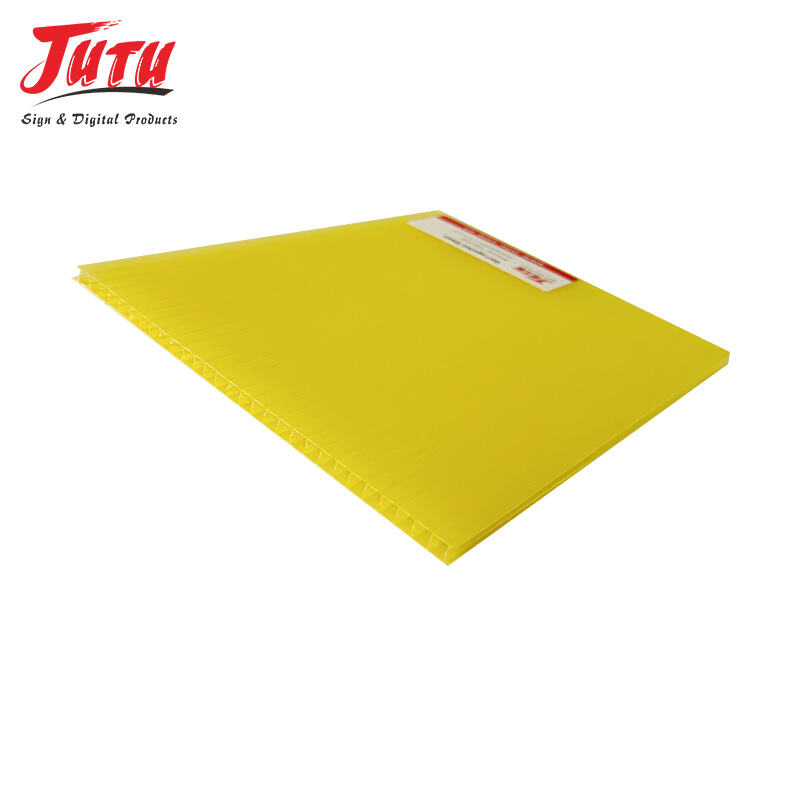
The construction industry continues to evolve with breakthrough material innovations that revolutionize how we approach building design and performance. PVC foam board has emerged as a transformative solution that addresses the growing demand for lightweight construction materials without compromising structural integrity or durability. These advanced composite panels represent a significant leap forward in construction technology, offering unprecedented weight reduction capabilities while maintaining the strength requirements essential for modern building applications.
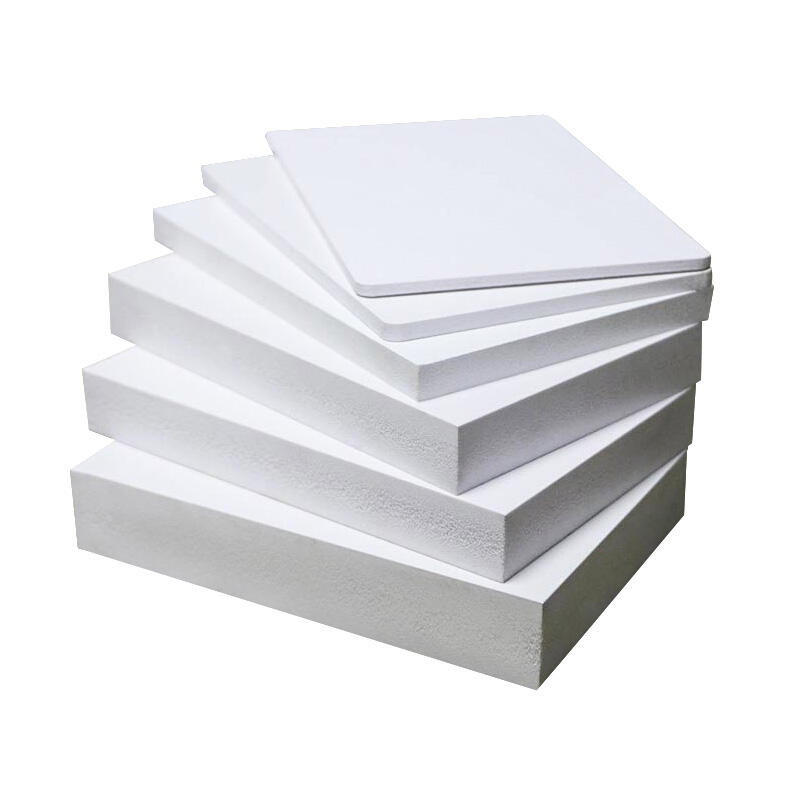
Recent technological advancements in PVC foam board manufacturing have unlocked new possibilities for architects, engineers, and contractors seeking to optimize construction efficiency while reducing overall project costs. The innovative cellular structure of modern PVC foam board delivers exceptional strength-to-weight ratios that were previously unattainable with traditional building materials. These developments have positioned PVC foam board as a cornerstone technology in the lightweight construction revolution, enabling the creation of structures that are both environmentally sustainable and economically viable.
Revolutionary Material Science Behind PVC Foam Board Technology
Advanced Cellular Structure Engineering
The breakthrough innovations in PVC foam board technology center around sophisticated cellular structure engineering that maximizes material performance while minimizing weight. Advanced manufacturing processes create uniform microcellular foam structures within the PVC matrix, resulting in boards that maintain structural integrity despite significant weight reduction. This cellular architecture distributes stress loads evenly across the material surface, preventing localized failure points that could compromise the overall construction assembly.
Modern PVC foam board production utilizes precision-controlled foaming agents that create optimal cell density distributions throughout the material cross-section. The resulting cellular structure provides excellent thermal insulation properties while maintaining the mechanical strength required for structural applications. These engineering advances have enabled manufacturers to produce PVC foam board products with density ranges that can be customized for specific construction requirements, from lightweight partition applications to load-bearing structural components.
Enhanced Chemical Formulation Developments
Recent innovations in PVC foam board chemical formulations have dramatically improved material performance characteristics essential for lightweight construction applications. Advanced polymer blending techniques incorporate specialized additives that enhance impact resistance, weather durability, and thermal stability without increasing board weight. These formulation improvements ensure that PVC foam board maintains consistent performance across varied environmental conditions while providing the lightweight benefits crucial for modern construction efficiency.
The development of next-generation stabilizer systems has extended the service life of PVC foam board significantly, making it a viable long-term solution for lightweight construction projects. These chemical innovations include UV-resistant compounds that prevent degradation from prolonged sunlight exposure and moisture-resistant additives that maintain structural properties in high-humidity environments. The enhanced formulations also improve the thermal expansion characteristics of PVC foam board, ensuring dimensional stability across temperature fluctuations commonly encountered in construction applications.
Structural Performance Advantages in Lightweight Applications
Load Distribution and Stress Management
The structural performance innovations in PVC foam board technology have revolutionized how lightweight construction projects manage load distribution and stress concentration. The advanced cellular core structure effectively disperses applied loads across the entire board surface, preventing the stress concentrations that typically occur with solid materials. This load distribution capability allows PVC foam board to support substantial structural loads while maintaining its lightweight characteristics, making it ideal for applications where weight reduction is critical.
Engineering studies demonstrate that modern PVC foam board exhibits exceptional flexural strength properties that rival traditional heavier materials. The innovative core design creates a high moment of inertia relative to the board's weight, enabling superior bending resistance in structural applications. This performance advantage translates directly into construction benefits, as engineers can specify thinner, lighter PVC foam board sections while achieving the same structural performance as thicker, heavier conventional materials.
Dynamic Response and Vibration Control
Advanced PVC foam board innovations include enhanced dynamic response characteristics that provide superior vibration damping in lightweight construction assemblies. The cellular structure inherently absorbs vibrational energy, reducing noise transmission and improving occupant comfort in buildings constructed with these materials. This vibration control capability is particularly valuable in lightweight construction where traditional mass-based damping is not available.
The damping properties of innovative PVC foam board extend beyond simple vibration control to include enhanced acoustic insulation performance. The cellular core structure creates multiple air gaps that effectively interrupt sound wave transmission, providing excellent noise reduction capabilities while maintaining the lightweight characteristics essential for modern construction efficiency. These acoustic benefits make PVC foam board an ideal choice for lightweight partition walls, ceiling systems, and other applications where sound control is important.
Manufacturing Process Innovations and Quality Control
Precision Extrusion Technology
The latest manufacturing innovations in PVC foam board production focus on precision extrusion technology that ensures consistent quality and performance across all board dimensions. Advanced computer-controlled extrusion systems monitor and adjust processing parameters in real-time, maintaining optimal temperature profiles, pressure settings, and feed rates throughout the production process. This technological control ensures that every PVC foam board meets strict quality standards while achieving the lightweight characteristics demanded by modern construction applications.
Innovative cooling and sizing systems incorporated into modern PVC foam board manufacturing lines maintain precise dimensional tolerances while preserving the cellular structure integrity. These process improvements result in boards with uniform density distribution and consistent mechanical properties across the entire product surface. The enhanced manufacturing precision eliminates the quality variations that previously limited PVC foam board applications in critical structural roles, expanding its utility in lightweight construction projects.
Quality Assurance and Testing Protocols
Contemporary PVC foam board manufacturing incorporates sophisticated quality assurance protocols that verify material performance characteristics essential for lightweight construction applications. Advanced testing equipment continuously monitors cellular structure uniformity, density consistency, and mechanical strength properties during production. These quality control innovations ensure that every PVC foam board meets or exceeds specified performance requirements, providing construction professionals with reliable material properties for structural calculations.
Innovative non-destructive testing methods have been developed specifically for PVC foam board quality verification, allowing manufacturers to assess internal cellular structure without compromising board integrity. These testing protocols include ultrasonic inspection techniques that detect density variations and void formations that could affect structural performance. The comprehensive quality assurance approach ensures that PVC foam board consistently delivers the lightweight construction benefits that modern building projects require while maintaining strict safety and performance standards.
Environmental Impact and Sustainability Innovations
Resource Efficiency and Material Optimization
The environmental innovations associated with PVC foam board technology significantly reduce the material consumption required for lightweight construction projects. The cellular structure design minimizes raw material usage while maintaining structural performance, resulting in substantial resource conservation compared to solid material alternatives. This material efficiency translates into reduced transportation energy requirements and lower overall environmental impact throughout the construction supply chain.
Advanced recycling innovations have enhanced the sustainability profile of PVC foam board by developing efficient reclamation processes for post-construction waste. Modern recycling techniques can recover and reprocess PVC foam board materials, creating closed-loop manufacturing systems that minimize waste generation. These sustainability improvements make PVC foam board an environmentally responsible choice for lightweight construction projects seeking to minimize their ecological footprint.
Energy Performance and Thermal Efficiency
The thermal insulation innovations inherent in PVC foam board cellular structure contribute significantly to building energy efficiency in lightweight construction applications. The air-filled cellular core provides excellent thermal resistance, reducing heat transfer through building envelope assemblies constructed with these materials. This thermal performance enables architects to design lightweight building systems that meet or exceed energy efficiency requirements while minimizing material weight and construction complexity.
Energy modeling studies demonstrate that buildings incorporating innovative PVC foam board systems achieve superior thermal performance compared to conventional lightweight construction materials. The enhanced insulation properties reduce heating and cooling energy requirements, lowering operational costs and environmental impact throughout the building lifecycle. These energy efficiency benefits make PVC foam board a valuable component in sustainable lightweight construction strategies.
Application Integration and Design Flexibility
Architectural Design Freedom
The design flexibility innovations enabled by PVC foam board technology provide architects with unprecedented freedom in lightweight construction applications. The material's excellent formability allows for complex geometric shapes and curved surfaces that would be difficult or impossible to achieve with traditional heavier materials. This design versatility enables innovative architectural expressions while maintaining the structural performance and lightweight characteristics essential for modern construction efficiency.
Advanced fabrication techniques have expanded the design possibilities for PVC foam board in lightweight construction projects. Modern cutting, shaping, and joining methods allow for precise customization of board dimensions and configurations to match specific architectural requirements. These fabrication innovations enable architects to integrate PVC foam board seamlessly into complex building designs while maximizing the weight reduction benefits that drive lightweight construction strategies.
Construction Process Integration
The construction integration innovations associated with PVC foam board technology streamline installation processes while maintaining the quality standards required for lightweight construction applications. Advanced connection systems and fastening methods have been developed specifically for PVC foam board assemblies, ensuring reliable structural connections while preserving the material's lightweight characteristics. These installation innovations reduce construction time and labor requirements while improving overall project efficiency.
Innovative tools and techniques for PVC foam board handling and installation address the unique requirements of lightweight construction projects. Specialized lifting equipment and installation procedures accommodate the material's lightweight nature while ensuring proper positioning and secure attachment to building structures. These process improvements enable construction crews to work more efficiently with PVC foam board while maintaining the safety and quality standards essential for successful project completion.
FAQ
What specific weight reduction benefits do PVC foam board innovations provide in construction applications?
PVC foam board innovations deliver weight reductions of 40-60% compared to solid materials while maintaining equivalent structural performance. The advanced cellular structure reduces material density without compromising strength, enabling significant reductions in foundation requirements, structural support systems, and transportation costs. These weight savings translate into substantial cost reductions and improved construction efficiency across all project phases.
How do recent PVC foam board innovations address structural safety concerns in lightweight construction?
Modern PVC foam board innovations incorporate advanced engineering design that meets or exceeds structural safety requirements through optimized cellular architecture and enhanced material formulations. Rigorous testing protocols verify that innovative PVC foam board products maintain consistent strength properties and load-bearing capacity while providing lightweight construction benefits. Comprehensive quality control ensures reliable performance across varied environmental conditions and structural applications.
What environmental advantages do PVC foam board innovations offer for sustainable construction practices?
PVC foam board innovations support sustainable construction through reduced material consumption, enhanced energy efficiency, and improved recyclability. The cellular structure minimizes raw material usage while the thermal insulation properties reduce building energy requirements throughout the operational lifecycle. Advanced recycling processes enable material recovery and reuse, creating closed-loop systems that minimize environmental impact.
How do PVC foam board manufacturing innovations ensure consistent quality for lightweight construction applications?
Manufacturing innovations include precision-controlled extrusion systems, real-time process monitoring, and comprehensive quality testing protocols that ensure consistent PVC foam board properties. Advanced production technology maintains uniform cellular structure and dimensional accuracy while sophisticated testing methods verify mechanical performance and structural integrity. These quality innovations provide reliable material characteristics essential for successful lightweight construction projects.
Table of Contents
- Revolutionary Material Science Behind PVC Foam Board Technology
- Structural Performance Advantages in Lightweight Applications
- Manufacturing Process Innovations and Quality Control
- Environmental Impact and Sustainability Innovations
- Application Integration and Design Flexibility
-
FAQ
- What specific weight reduction benefits do PVC foam board innovations provide in construction applications?
- How do recent PVC foam board innovations address structural safety concerns in lightweight construction?
- What environmental advantages do PVC foam board innovations offer for sustainable construction practices?
- How do PVC foam board manufacturing innovations ensure consistent quality for lightweight construction applications?