 EN

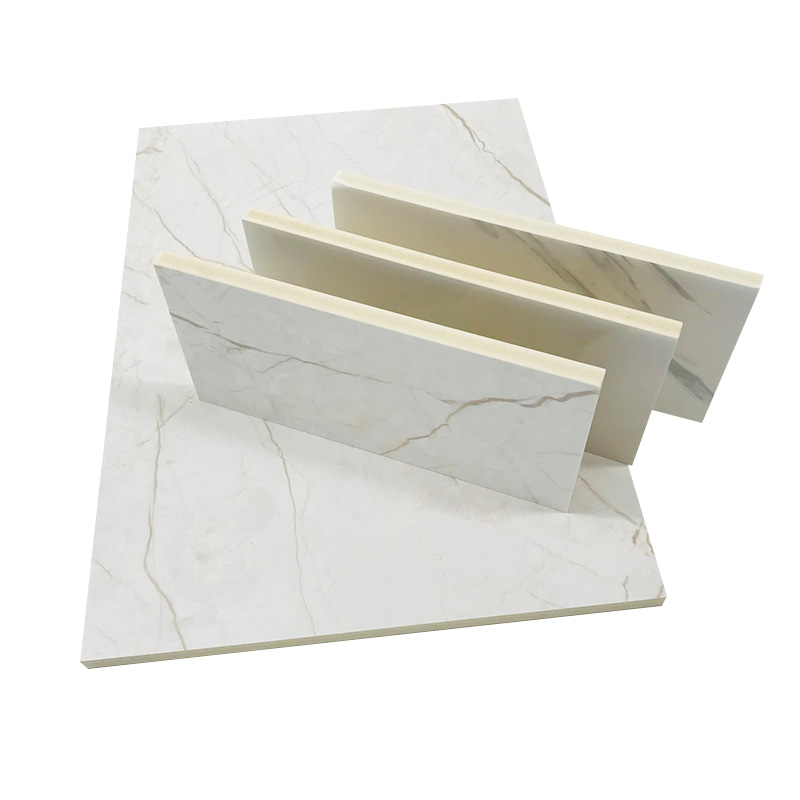
Sustainable construction has become a cornerstone of modern building practices, and material selection plays a critical role in achieving environmental and performance goals. The pvc wall panel has emerged as a significant contributor to green building strategies, combining durability with environmental responsibility. These panels address the dual challenge of reducing construction waste while maintaining structural integrity and aesthetic appeal. Understanding how pvc wall panels fit into sustainable construction frameworks helps builders, architects, and developers make informed decisions that align with both regulatory requirements and long-term environmental commitments.
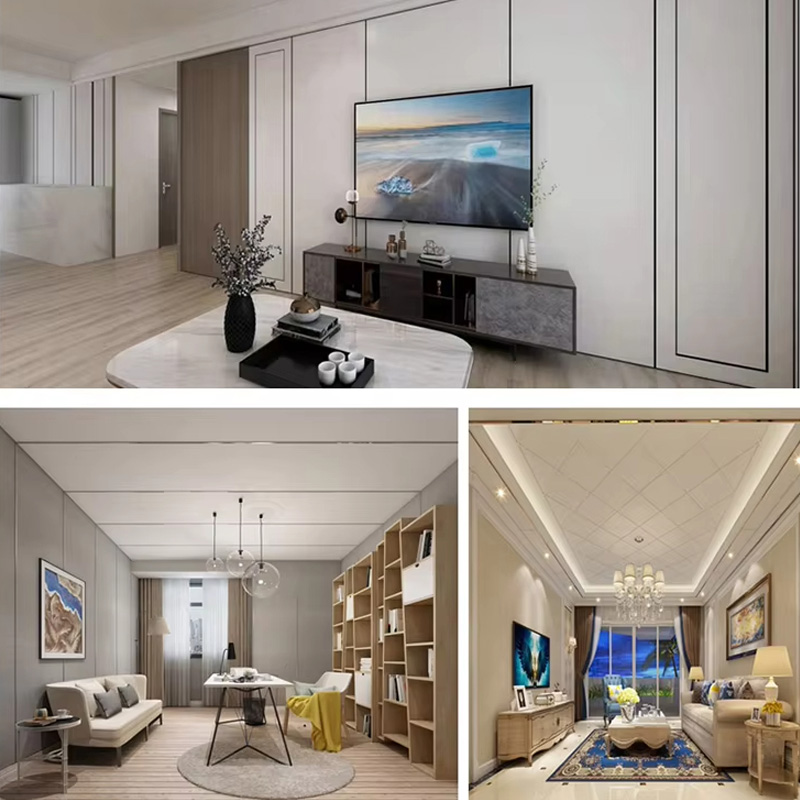
The role of pvc wall panels in sustainable construction extends beyond simple installation efficiency. These panels reduce material waste during fabrication and application, minimize energy consumption in manufacturing compared to traditional alternatives, and extend the lifespan of building envelopes through superior weathering resistance. A pvc wall panel system provides an integrated approach to meeting sustainability benchmarks while delivering measurable cost savings and operational benefits over the building lifecycle. Architects increasingly specify pvc wall panels because they balance performance requirements with genuine environmental stewardship, creating structures that perform well while respecting ecological limits.
Environmental Benefits of PVC Wall Panels
Reduced Manufacturing Footprint and Material Efficiency
Manufacturing pvc wall panel products generates a lower carbon footprint compared to many traditional building materials. The production process for pvc wall panels requires less energy than concrete, brick, or metal alternatives, while the material itself offers higher insulation properties that reduce operational energy demands. A pvc wall panel can be precisely manufactured to exact specifications, eliminating on-site waste and excess material disposal. This precision manufacturing of pvc wall panels contributes to lean construction practices and site efficiency, reducing transportation needs and minimizing landfill contributions. The inherent recyclability of pvc wall panel materials means end-of-life disposal aligns with circular economy principles, allowing old pvc wall panels to be reprocessed into new applications.
Durability and Extended Lifecycle
Longevity is a cornerstone of sustainable building, and pvc wall panels excel in this critical dimension. These panels resist UV degradation, moisture absorption, and biological growth, maintaining structural integrity for decades without requiring replacement. A pvc wall panel installation can outlast multiple cycles of traditional materials, dramatically reducing the overall environmental impact when amortized across the building lifecycle. The weather resistance of pvc wall panels means fewer maintenance interventions, lower resource consumption for repairs, and predictable performance over time. This extended service life of pvc wall panels translates directly into reduced embodied carbon and material extraction pressure, reinforcing the environmental case for specification in sustainable construction projects.
Performance Advantages Supporting Green Building Standards
Thermal and Acoustic Properties
Sustainable construction prioritizes energy efficiency, and pvc wall panels contribute meaningfully through inherent thermal properties. The cellular structure of many pvc wall panel products provides natural insulation, reducing heating and cooling loads in conditioned spaces. This thermal performance of pvc wall panels lowers operational energy consumption, directly supporting green certification goals and reducing the carbon footprint of building operations. Beyond thermal benefits, pvc wall panels also provide acoustic dampening, improving interior sound environments and reducing noise transmission. A comprehensive pvc wall panel specification addresses multiple performance criteria simultaneously, reducing the need for separate material layers and simplifying construction assembly. The integrated performance of pvc wall panels makes them a practical choice for architects seeking to meet stringent energy codes without compromising schedule or budget.
Hygiene and Indoor Environmental Quality
Indoor environmental quality is a measurable component of sustainable building certification, and pvc wall panels support healthy indoor environments. The non-porous surface of a pvc wall panel resists mold, mildew, and bacterial colonization, maintaining air quality and occupant health. This hygiene benefit of pvc wall panels is particularly valuable in healthcare facilities, educational institutions, and residential settings where air quality directly affects occupant wellbeing. The low-emission properties of modern pvc wall panels contribute to low volatile organic compound environments, supporting certification requirements for healthy indoor spaces. Specification of pvc wall panels aligns with holistic sustainability frameworks that consider human health alongside environmental impact, creating spaces that perform environmentally while protecting occupant welfare.
Integration with Green Building Standards and Certification
Alignment with LEED and Similar Certification Systems
Green building certification systems reward material choices that demonstrate environmental responsibility, and pvc wall panels qualify for multiple credit pathways. Sustainable sourcing of pvc wall panels, recycled content in manufacturing, and the lifecycle assessment advantages of these panels support energy and resource efficiency credits. A pvc wall panel specification can contribute to indoor environmental quality credits through low-emission performance and improved thermal characteristics. The adaptability of pvc wall panels to various architectural expressions and performance requirements makes them compatible with diverse certification strategies across different project types and climates. Architects and builders leveraging pvc wall panels as part of comprehensive sustainability strategies find that these panels support documentation requirements while delivering tangible performance improvements recognized by certification bodies.
Lifecycle Assessment and Material Disclosure
Modern pvc wall panel manufacturers provide comprehensive lifecycle assessment data and material transparency that support informed specification decisions. Environmental product declarations for pvc wall panels quantify embodied carbon, water usage, and waste generation, enabling architects to compare alternatives objectively. A pvc wall panel lifecycle assessment typically demonstrates favorable performance across multiple impact categories when compared to traditional materials. Transparent sourcing and manufacturing practices for pvc wall panels support building teams pursuing DECLARE label compliance and material health optimization. The availability of pvc wall panel data in standardized formats facilitates integration into building information models and sustainability assessment tools, enabling data-driven design decisions. Specification of pvc wall panels supported by clear environmental credentials demonstrates commitment to measurable sustainability outcomes rather than general environmental claims.
Practical Implementation in Sustainable Projects
Design Flexibility and Aesthetic Integration
Sustainability need not compromise design vision, and pvc wall panels offer substantial aesthetic flexibility that supports architectural expression. Available in diverse colors, finishes, and surface textures, a pvc wall panel specification can integrate seamlessly into contemporary and traditional design languages. The versatility of pvc wall panels enables architects to specify environmentally responsible materials without sacrificing visual quality or design intent. Installation flexibility of pvc wall panels allows creative applications from vertical cladding to interior partitioning, expanding design possibilities within sustainable frameworks. The durable colors and finishes of pvc wall panels resist fading and weathering, maintaining aesthetic appeal throughout the building lifecycle without periodic refinishing. This combination of environmental responsibility and design freedom makes pvc wall panels an attractive choice for architects committed to both sustainability and visual excellence.
Cost Efficiency and Lifecycle Economics
Sustainable construction often faces budget constraints, and pvc wall panels deliver environmental performance without premium pricing. The initial cost of pvc wall panels remains competitive with conventional materials while offering superior durability and reduced maintenance requirements. Over a 20 or 30-year lifecycle, the true cost advantage of pvc wall panels becomes apparent through avoided replacement, repair, and maintenance activities. Energy savings generated by the thermal properties of pvc wall panels accumulate throughout building operations, offsetting any incremental upfront investment. A comprehensive cost analysis of pvc wall panels demonstrates that environmental responsibility aligns with financial prudence, enabling sustainable projects to meet budget objectives while exceeding performance targets. Building teams evaluating pvc wall panels find that lifecycle economics support specification, making these panels an economically rational choice for sustainable construction.
FAQ
How do pvc wall panels contribute to reducing construction waste?
Pvc wall panels are manufactured to precise specifications in controlled factory environments, eliminating the field cutting and fitting waste generated by traditional materials. The prefabrication accuracy of pvc wall panels means minimal excess material and straightforward installation with predictable material requirements. Because pvc wall panels ship dimensionally accurate and ready for installation, builders avoid the waste associated with on-site fabrication, fitting, and material spoilage. The waste reduction achieved through pvc wall panel specification directly supports zero-waste construction goals and diverts significant material from landfills during both installation and future renovation cycles.
Can pvc wall panels achieve recycled content requirements for green certifications?
Many modern pvc wall panel products incorporate recycled content from post-consumer or post-industrial sources, supporting recycled material credit pathways in green certification systems. Manufacturers increasingly formulate pvc wall panels using reclaimed material without compromising performance characteristics or durability. Verification of recycled content in pvc wall panels is typically supported by environmental product declarations and third-party certifications that document sourcing and material composition. Specifiers can identify pvc wall panel products with documented recycled content that meet certification requirements while maintaining design flexibility and performance expectations. The availability of high-recycled-content pvc wall panels expands sustainable material options and demonstrates how environmental responsibility can be integrated into material selection without performance compromise.
What maintenance requirements do pvc wall panels have in sustainable buildings?
Pvc wall panels require minimal maintenance throughout their lifecycle, typically needing only occasional cleaning with standard detergents and water to maintain appearance. The weather resistance and biological growth resistance of pvc wall panels eliminate most maintenance activities required for traditional materials, reducing operational resource consumption and cost. Predictable, minimal maintenance of pvc wall panels supports sustainability objectives by reducing water use, chemical consumption, and equipment operation associated with facility maintenance. The low-maintenance nature of pvc wall panels extends building performance predictability and reduces surprise failures or emergency repairs that consume resources unexpectedly. This minimal maintenance requirement of pvc wall panels represents a genuine sustainability advantage, converting material choice into tangible operational efficiency throughout the building lifecycle.