 EN
EN

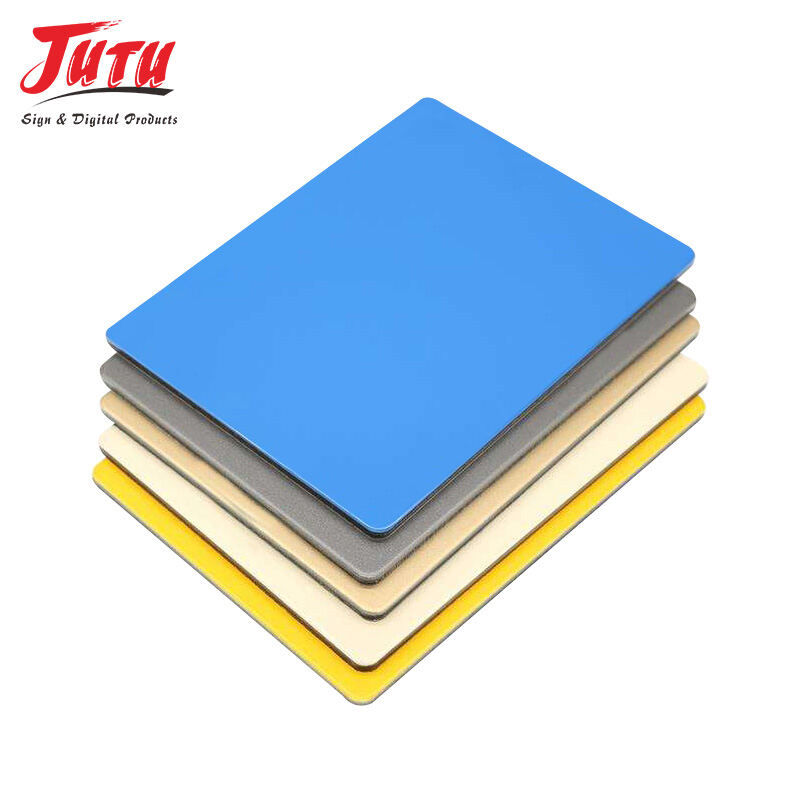
La lamiera in schiuma di PVC rappresenta un significativo progresso nei materiali da costruzione, in particolare per affrontare la sfida critica della resistenza al fuoco nei moderni progetti edilizi. Questo materiale leggero ma resistente ha rivoluzionato il modo in cui architetti, appaltatori e progettisti edili soddisfano i requisiti di sicurezza antincendio, mantenendo al contempo l'integrità strutturale e la convenienza economica. Comprendere i meccanismi attraverso i quali la lamiera in schiuma di PVC migliora la resistenza al fuoco è essenziale per i professionisti del settore edile che intendono ottimizzare sia le prestazioni in termini di sicurezza sia i risultati complessivi del progetto.
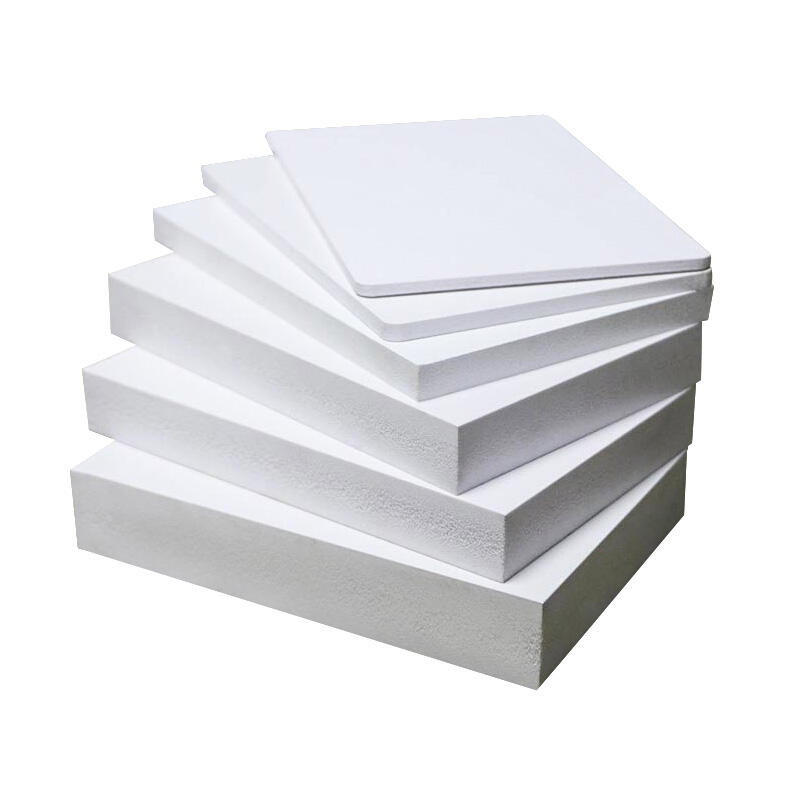
Le capacità di resistenza al fuoco della lastra in schiuma di PVC derivano dalla sua particolare composizione chimica e dalla sua struttura cellulare, che agiscono congiuntamente per creare barriere contro la propagazione delle fiamme e il trasferimento di calore. Quando viene correttamente integrata nei progetti edilizi, questo materiale può ridurre significativamente i rischi di incendio, offrendo al contempo ulteriori vantaggi quali isolamento termico, resistenza all’umidità e stabilità dimensionale. L’adozione crescente della lastra in schiuma di PVC nei progetti edilizi commerciali, residenziali e industriali riflette la sua comprovata capacità di soddisfare norme rigorose in materia di sicurezza antincendio, pur supportando esigenze architettoniche diversificate.
Meccanismi di resistenza al fuoco in Fabbricazione a partire da materiali di plastica Edilizia
Struttura cellulare e dissipazione del calore
La struttura a celle chiuse della lastra in schiuma di PVC crea un sistema di barriera intrinseco che gestisce efficacemente il trasferimento di calore durante l’esposizione al fuoco. Ogni cellula funge da tasca termica, distribuendo l’energia termica su un’area superficiale maggiore anziché consentire un accumulo localizzato di calore in punti specifici. Questa architettura cellulare consente al materiale di mantenere la propria integrità strutturale per un periodo più lungo rispetto a materiali solidi di spessore comparabile, fornendo un tempo cruciale affinché i sistemi di soppressione degli incendi possano entrare in funzione e gli occupanti possano evacuare in sicurezza.
Le proprietà di bassa conducibilità termica di Fabbricazione a partire da materiali di plastica migliorare ulteriormente le sue prestazioni di resistenza al fuoco rallentando la velocità con cui il calore penetra attraverso il materiale. Questa caratteristica è particolarmente preziosa in applicazioni in cui le barriere antincendio devono proteggere spazi o elementi strutturali adiacenti dai danni termici. La capacità del materiale di mantenere la stabilità dimensionale sotto esposizione a calore moderato impedisce la formazione di fessure o aperture che potrebbero compromettere i sistemi di contenimento dell’incendio.
Composizione chimica e ritardanza di fiamma
Le formulazioni moderne di pannelli in schiuma PVC incorporano additivi ritardanti di fiamma specializzati che sopprimono attivamente i processi di combustione quando esposti a fonti di accensione. Questi additivi agiscono attraverso diversi meccanismi, tra cui il rilascio di gas inibitori della fiamma, la formazione di strati protettivi di carbonizzazione e la riduzione dell’ossigeno disponibile all’interfaccia di combustione. Il polimero base costituito da cloruro di polivinile contribuisce alla resistenza al fuoco grazie al proprio contenuto di cloro, che agisce naturalmente come inibitore della fiamma.
Le proprietà di autospegnimento dei pannelli in schiuma PVC di qualità significano che, una volta rimosso il fattore di accensione, il materiale cessa generalmente di bruciare anziché continuare a propagare le fiamme. Questo comportamento è fondamentale nelle applicazioni edilizie, dove incidenti localizzati di incendio non devono trasformarsi in emergenze che coinvolgono l’intera struttura. Inoltre, le ridotte emissioni di fumo del materiale favoriscono condizioni di evacuazione più sicure, mantenendo la visibilità in situazioni di emergenza.
Conformità al codice edilizio e norme di sicurezza
Classificazioni di resistenza al fuoco
I prodotti in pannello in schiuma di PVC sono sottoposti a rigorosi test per ottenere specifiche classificazioni di reazione al fuoco che ne determinano l'impiego appropriato in diverse applicazioni edilizie. Queste classificazioni, quali le categorie A, B o C per la propagazione della fiamma, vengono stabilite mediante protocolli di prova standardizzati che misurano la velocità di propagazione della fiamma, lo sviluppo di fumo e il contributo termico. Comprendere tali classificazioni consente ai professionisti del settore edile di selezionare le opportune qualità di pannelli in schiuma di PVC in funzione dei requisiti specifici di sicurezza antincendio.
Gli standard di prova per le prestazioni antincendio dei pannelli in schiuma di PVC includono ASTM E84, UL 723 e analoghi protocolli internazionali volti a valutare le caratteristiche di combustione superficiale. Queste valutazioni complete tengono conto di fattori quali la velocità di propagazione della fiamma, il contributo di combustibile e la densità del fumo, al fine di definire parametri di prestazione affidabili. La conformità ai regolamenti edilizi richiede spesso la documentazione di tali risultati di prova per verificare che i materiali installati soddisfino i livelli minimi di sicurezza antincendio.
Integrazione con i Sistemi di Protezione Antincendio
Un'efficace resistenza al fuoco nei progetti edilizi richiede un'integrazione coordinata tra le installazioni di pannelli in schiuma di PVC e i sistemi attivi di protezione antincendio, come gli impianti di sprinkler, gli allarmi e i controlli di ventilazione. La compatibilità del materiale con vari agenti di soppressione incendi garantisce che i sistemi di protezione possano funzionare efficacemente senza interazioni chimiche che potrebbero comprometterne le prestazioni. Tale compatibilità si estende agli agenti schiumogeni, ai sistemi a base d'acqua e agli agenti estinguenti chimici comunemente utilizzati negli edifici commerciali.
Le modalità di installazione dei pannelli in schiuma di PVC devono tenere conto dei requisiti dei sistemi di protezione antincendio, inclusa la corretta sigillatura intorno alle aperture, le opportune distanze di sicurezza per garantire la copertura degli sprinkler e la compatibilità con le strutture a resistenza al fuoco. Pratiche professionali di installazione assicurano che i benefici in termini di resistenza al fuoco offerti dai pannelli in schiuma di PVC siano pienamente realizzati, preservando nel contempo l'efficacia dei sistemi di sicurezza integrati per tutta la vita operativa dell'edificio.
Applicazione Strategie per una massima protezione antincendio
Sistemi di pareti e divisori
Le applicazioni per pareti interne rappresentano uno degli utilizzi più efficaci della pannello in schiuma di PVC per migliorare la resistenza al fuoco nei progetti edilizi. Quando installato correttamente come parte di sistemi di pareti, questo materiale crea barriere antincendio efficaci in grado di contenere fiamme e calore all’interno di zone specifiche. La leggerezza del pannello in schiuma di PVC consente installazioni più spesse senza sovraccarichi strutturali eccessivi, permettendo così di ottenere valutazioni di resistenza al fuoco migliorate senza compromettere la flessibilità progettuale.
I sistemi di partizione che incorporano pannelli in schiuma di PVC traggono vantaggio dalla capacità del materiale di mantenere l'integrità strutturale durante l'esposizione al fuoco, fornendo al contempo isolamento termico che protegge gli ambienti adiacenti. La stabilità dimensionale di un pannello in schiuma di PVC di qualità impedisce deformazioni o restringimenti che potrebbero creare interstizi nelle barriere antincendio, garantendo una protezione costante per tutta la durata di servizio del sistema di partizione. Un’adeguata sigillatura dei giunti e trattamenti appropriati dei bordi sono essenziali per massimizzare i benefici in termini di resistenza al fuoco in queste applicazioni.
Applicazioni a soffitto e in alto
Le installazioni a soffitto di pannelli in schiuma di PVC forniscono una protezione antincendio fondamentale creando barriere che impediscono la propagazione di fiamme e calore tra i piani negli edifici multipiano. Il ridotto peso del materiale riduce i problemi legati ai carichi strutturali, garantendo al contempo una resistenza al fuoco sufficiente a soddisfare i requisiti normativi per le strutture a pavimento-soffitto. Le caratteristiche superficiali lisce dei pannelli in schiuma di PVC agevolano inoltre procedure efficaci di pulizia e manutenzione, preservando nel tempo le proprietà di resistenza al fuoco.
Le applicazioni a soffitto devono tenere conto del comportamento del materiale in presenza di calore, inclusi eventuali fenomeni di espansione o contrazione che potrebbero compromettere l’integrità dei giunti. Le tecniche professionali di installazione garantiscono un adeguato supporto e metodi di fissaggio in grado di mantenere l’efficacia della barriera antincendio in condizioni termiche variabili. L’integrazione della piastra in schiuma di PVC con sistemi di controsoffitto con resistenza al fuoco richiede particolare attenzione alla sigillatura delle penetrazioni e ai dettagli di collegamento, al fine di preservare la classe di resistenza complessiva dell’insieme.
Ottimizzazione delle prestazioni in ambienti soggetti a rischio incendio
Tipologie di edifici ad alto rischio
Alcuni tipi di edifici presentano rischi elevati di incendio, per i quali le installazioni di pannelli in schiuma di PVC offrono un significativo vantaggio grazie alle loro potenziate capacità di resistenza al fuoco. Le strutture sanitarie, gli edifici scolastici e le costruzioni ad alta densità di occupanti richiedono sistemi di protezione antincendio robusti, in cui ogni componente contribuisce alle prestazioni complessive di sicurezza. Le caratteristiche costanti di resistenza al fuoco dei pannelli in schiuma di PVC li rendono particolarmente preziosi in queste applicazioni, dove un eventuale guasto potrebbe avere gravi conseguenze sulla sicurezza delle persone.
Gli impianti industriali e gli ambienti di produzione presentano spesso sfide antincendio uniche a causa della presenza di materiali infiammabili, dei processi ad alta temperatura e dei complessi requisiti di evacuazione. Le applicazioni delle lastre in schiuma di PVC in questi contesti devono essere progettate con attenzione per tenere conto dei rischi specifici legati all’incendio, garantendo al tempo stesso i benefici di isolamento termico e resistenza all’umidità che supportano l’efficienza operativa. Le proprietà di resistenza chimica del materiale contribuiscono inoltre alla protezione antincendio a lungo termine negli ambienti in cui l’esposizione a varie sostanze potrebbe compromettere altri materiali.
Clima e Considerazioni Ambientali
Le condizioni ambientali possono influenzare in modo significativo le prestazioni di resistenza al fuoco dei materiali da costruzione, rendendo cruciale la scelta di idonee qualità di pannelli in schiuma di PVC per una protezione a lungo termine. Ambienti ad alta umidità, escursioni termiche estreme ed esposizione alle radiazioni UV possono tutti influenzare le proprietà del materiale e le sue caratteristiche di resistenza al fuoco. I prodotti di qualità in schiuma di PVC sono formulati per mantenere prestazioni costanti di resistenza al fuoco in diverse condizioni ambientali.
Le proprietà di resistenza all’umidità della schiuma di PVC contribuiscono a una protezione antincendio duratura impedendo l’assorbimento di acqua, che potrebbe compromettere la struttura cellulare o l’efficacia dei ritardanti di fiamma. Questa caratteristica è particolarmente importante negli edifici situati in climi umidi o in zone soggette a infiltrazioni di umidità. L’installazione corretta di barriere al vapore e le tecniche di sigillatura dei bordi contribuiscono a preservare i benefici di resistenza al fuoco offerti dalla schiuma di PVC per tutta la vita operativa dell’edificio.
Domande frequenti
In che modo la lamiera in schiuma di PVC si confronta con i tradizionali materiali resistenti al fuoco?
La lamiera in schiuma di PVC offre una resistenza al fuoco superiore rispetto a molti materiali tradizionali grazie alla sua struttura cellulare, agli additivi ritardanti di fiamma e alle proprietà autoritardanti. A differenza dei materiali solidi, che conducono rapidamente il calore, la struttura a schiuma fornisce barriere termiche che rallentano il trasferimento di calore e la propagazione delle fiamme. Il materiale genera inoltre meno fumo rispetto a molte alternative e mantiene la propria integrità strutturale per un periodo più lungo durante l’esposizione al fuoco, offrendo un tempo prezioso per l’evacuazione e le attività di soppressione dell’incendio.
Quale spessore della lamiera in schiuma di PVC è raccomandato per ottenere la massima resistenza al fuoco?
Lo spessore ottimale per applicazioni di resistenza al fuoco dipende dai requisiti specifici del codice edilizio e dal grado di resistenza al fuoco previsto per l'insieme. In generale, installazioni più spesse di pannelli in schiuma di PVC offrono una maggiore resistenza al fuoco grazie alla massa termica aumentata e ai tempi più lunghi di penetrazione del calore. La maggior parte delle applicazioni con classificazione antincendio prevede l’uso di pannelli con spessore compreso tra 12 mm e 25 mm, anche se i requisiti specifici devono sempre essere verificati in conformità ai codici edilizi locali e alle specifiche del produttore per l’applicazione prevista.
Il pannello in schiuma di PVC può essere utilizzato in aree con elevati requisiti di sicurezza antincendio?
Sì, una lastra in schiuma di PVC adeguatamente certificata può essere utilizzata in aree con elevati requisiti di sicurezza antincendio, purché soddisfi le classificazioni di reazione al fuoco richieste e le specifiche del codice edilizio. Il materiale deve essere sottoposto a prove e certificato secondo norme appropriate, quali la ASTM E84 o standard internazionali equivalenti. L’installazione deve avvenire nel rispetto delle istruzioni del produttore e dei requisiti del codice edilizio, compresa l’integrazione corretta con i sistemi di protezione antincendio e il rispetto dei limiti applicativi specificati per diversi tipi di edificio e classi di destinazione d’uso.
Come si deve procedere alla manutenzione della lastra in schiuma di PVC per preservarne le proprietà di resistenza al fuoco?
Il mantenimento delle proprietà di resistenza al fuoco richiede ispezioni regolari per individuare danni fisici, una pulizia adeguata per rimuovere contaminanti che potrebbero compromettere le prestazioni antincendio e la riparazione tempestiva di qualsiasi danno che ne pregiudichi l’integrità. Evitare l’esposizione a temperature superiori ai limiti specificati dal produttore e assicurarsi che eventuali modifiche o forature siano opportunamente sigillate con materiali idonei alla protezione antincendio. Ispezioni professionali devono essere effettuate periodicamente per verificare che le installazioni continuino a soddisfare i requisiti di sicurezza antincendio per tutta la durata operativa dell’edificio.
Sommario
- Meccanismi di resistenza al fuoco in Fabbricazione a partire da materiali di plastica Edilizia
- Conformità al codice edilizio e norme di sicurezza
- Applicazione Strategie per una massima protezione antincendio
- Ottimizzazione delle prestazioni in ambienti soggetti a rischio incendio
-
Domande frequenti
- In che modo la lamiera in schiuma di PVC si confronta con i tradizionali materiali resistenti al fuoco?
- Quale spessore della lamiera in schiuma di PVC è raccomandato per ottenere la massima resistenza al fuoco?
- Il pannello in schiuma di PVC può essere utilizzato in aree con elevati requisiti di sicurezza antincendio?
- Come si deve procedere alla manutenzione della lastra in schiuma di PVC per preservarne le proprietà di resistenza al fuoco?