 EN

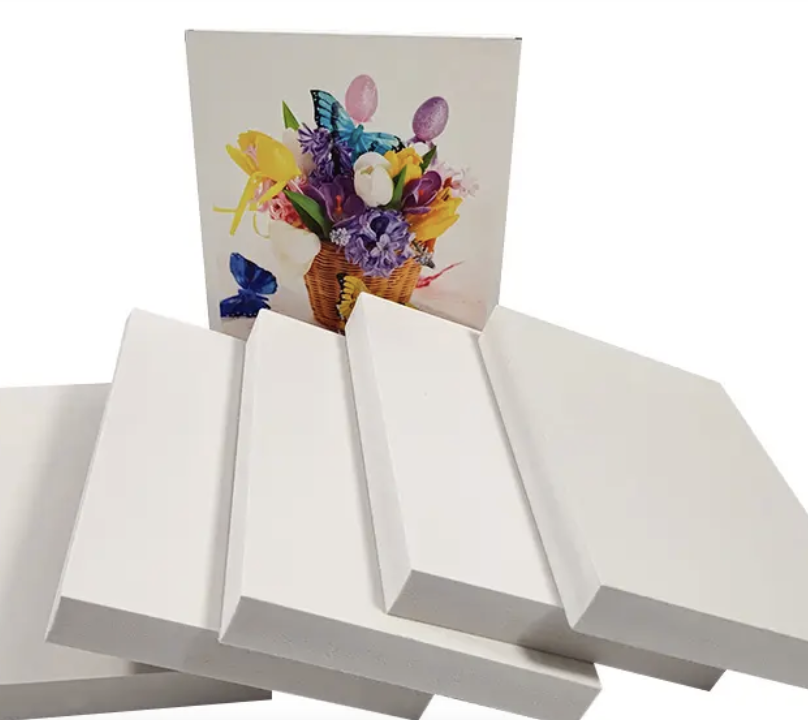
Energy efficiency has become a critical focus for modern building design and construction professionals. The thermal performance of building materials directly impacts operational costs, occupant comfort, and environmental sustainability. When selecting materials for walls, ceilings, and interior partitions, builders and architects must evaluate how well each product manages heat transfer and maintains stable internal temperatures. The choice of material can significantly influence a building's ability to reduce heating and cooling expenses while maintaining consistent climate control throughout different seasons and weather conditions.
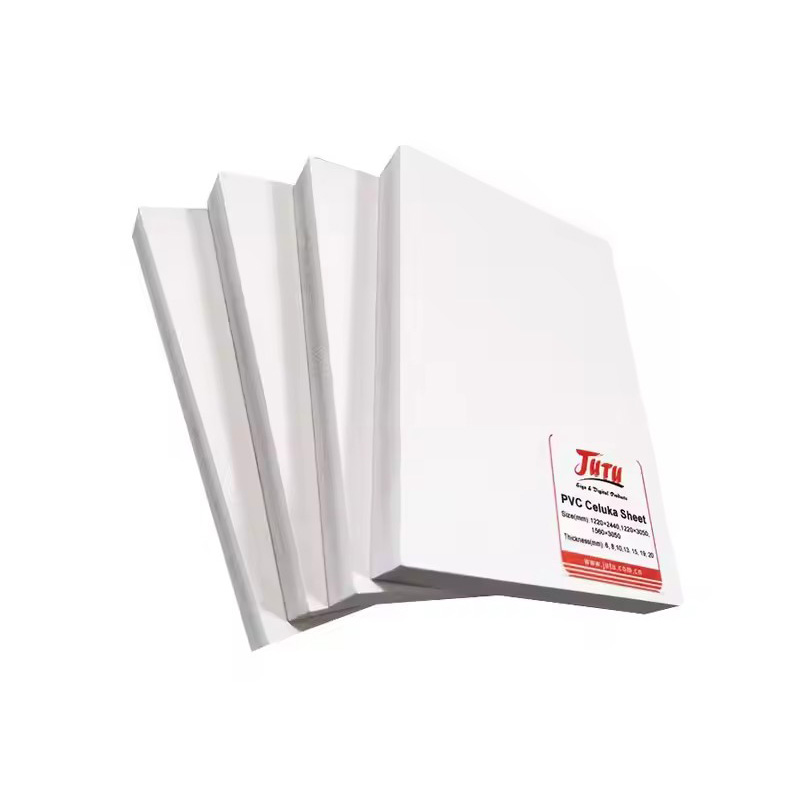
The pvc celuka board represents a sophisticated engineered solution designed to address thermal challenges in contemporary construction. This material combines structural integrity with exceptional insulation characteristics, making it an ideal choice for buildings seeking to optimize energy performance without compromising durability or design flexibility. Understanding the thermal properties of pvc celuka board is essential for architects, contractors, and building managers who want to make informed decisions about material selection and long-term operational efficiency.
Thermal Insulation Properties of PVC Celuka Board
Core Insulation Capabilities
Pvc celuka board achieves superior thermal insulation through its unique cellular foam core structure. This foam composition creates numerous air pockets throughout the material, which significantly reduce heat transfer by minimizing direct thermal pathways. The closed-cell structure of pvc celuka board prevents air circulation within the material itself, creating a stable insulation layer that maintains its thermal resistance over extended periods. Unlike traditional materials that may degrade or settle over time, pvc celuka board preserves its insulation performance consistently, ensuring that buildings maintain their designed thermal efficiency throughout their operational lifetime.
The thermal conductivity rating of pvc celuka board typically ranges between 0.14 to 0.18 W/mK, depending on specific formulations and manufacturing processes. This low thermal conductivity value means that pvc celuka board effectively resists heat flow, whether in cold climates requiring heat retention or warm climates demanding cooling efficiency. Building professionals rely on these thermal specifications when calculating energy loads and determining whether pvc celuka board meets specific energy code requirements and sustainability standards for their projects.
Comparative Thermal Performance
When evaluated against conventional building materials, pvc celuka board demonstrates measurably superior thermal performance characteristics. Traditional solid materials such as plywood or MDF conduct heat more readily due to their denser construction and absence of insulating air pockets. In contrast, pvc celuka board maintains thermal resistance without requiring additional insulation layers, streamlining construction assembly and reducing material costs. This makes pvc celuka board particularly valuable for applications where space constraints limit the thickness of available materials or where simplified installation processes accelerate project timelines.
The thermal performance of pvc celuka board also extends to its dimensional stability across temperature variations. Unlike materials that expand and contract significantly with temperature changes, pvc celuka board maintains consistent dimensions, preventing gaps and air leakage that would compromise thermal efficiency. This stability ensures that the thermal performance of pvc celuka board remains effective throughout seasonal temperature fluctuations and daily heating cycles, protecting the building envelope integrity and maintaining predictable energy consumption patterns.
Applications for Energy-Efficient Building Design
Interior Partition and Wall Systems
Pvc celuka board serves as an excellent material choice for interior walls and partition systems in commercial and residential buildings. By incorporating pvc celuka board into wall assemblies, builders reduce thermal bridging and minimize heat transfer between conditioned and unconditioned spaces. This application is particularly beneficial in open-plan office environments where controlling thermal zones improves occupant comfort and reduces HVAC system workload. The thermal performance of pvc celuka board in partition systems allows building operators to maintain different temperature zones without excessive energy expenditure, supporting both occupant preferences and energy conservation objectives.
Installation of pvc celuka board in interior walls also provides acoustic benefits alongside thermal advantages. The cellular structure that creates thermal insulation simultaneously absorbs sound energy, reducing noise transmission between spaces. This combined performance means that pvc celuka board delivers multiple efficiency and comfort benefits in a single material, simplifying specification and reducing the need for separate thermal and acoustic treatments. Architects and contractors value this multi-functional capability when designing spaces that require both temperature control and sound management.
Ceiling and Overhead Applications
Ceiling systems represent another critical application for pvc celuka board in energy-efficient building design. Heat naturally rises, making overhead thermal control essential for preventing conditioned air from escaping through roofs and upper stories. Pvc celuka board ceiling panels reduce upward heat loss in winter and prevent heat infiltration during summer months, both scenarios where thermal performance directly impacts heating and cooling energy demand. Building managers report measurable reductions in ceiling-related heat transfer after upgrading to pvc celuka board ceiling systems, particularly in buildings with significant vertical temperature gradients.
The structural properties of pvc celuka board make it suitable for suspended ceiling installations where both thermal and acoustic performance are required. Unlike fragile insulation materials that degrade under physical stress or humidity exposure, pvc celuka board maintains its thermal performance characteristics even in challenging building environments. This durability ensures that the thermal efficiency of pvc celuka board ceiling installations persists throughout the building's service life without requiring replacement or remedial maintenance.
Implementation Considerations and Energy Performance Verification
Integration with Building Energy Models
Building energy modeling relies on accurate material thermal properties to predict operational energy consumption and verify compliance with energy codes and standards. Pvc celuka board thermal specifications must be accurately entered into energy simulation software to generate reliable performance predictions. Architects and engineers conducting energy modeling use the thermal performance of pvc celuka board to calculate heating and cooling loads, estimate annual energy costs, and demonstrate compliance with regulations such as LEED certification requirements or local building energy codes. Accurate representation of pvc celuka board properties in these models ensures that predicted energy savings materialize in actual building operations.
When comparing design options, the thermal performance of pvc celuka board can be quantified in terms of energy consumption reduction and operational cost savings. Building professionals calculate payback periods by comparing initial material costs against annual energy savings achieved through superior thermal performance. Many projects find that the thermal benefits of pvc celuka board justify premium material costs within relatively short timeframes, typically three to seven years depending on local energy prices and climate conditions.
Installation Quality and Thermal Continuity
Achieving the full thermal performance benefits of pvc celuka board requires proper installation practices that maintain thermal continuity throughout the building envelope. Gaps, compression, or misalignment of pvc celuka board materials can significantly reduce their thermal effectiveness by creating air leakage paths and thermal bridges. Installation teams must be trained in best practices for securing, sealing, and properly supporting pvc celuka board materials to preserve their designed thermal performance. Regular quality inspections during construction ensure that installation practices support rather than undermine the thermal performance objectives established during design phases.
Vapor management also influences the long-term thermal performance of pvc celuka board assemblies. Moisture accumulation within material layers can degrade insulation effectiveness and promote material degradation. Proper vapor barrier placement and moisture control strategies protect the thermal performance of pvc celuka board installations from degradation over time. Building envelope design must account for climate-specific humidity patterns to ensure that pvc celuka board maintains its thermal performance throughout the building's operational life.
FAQ
How does pvc celuka board compare to fiberglass insulation in thermal performance?
Pvc celuka board offers comparable or superior thermal conductivity values compared to standard fiberglass insulation while providing superior durability and dimensional stability. Unlike fiberglass, pvc celuka board does not settle or degrade over time, ensuring consistent thermal performance maintenance. Additionally, pvc celuka board does not require protective coverings or barriers for handling, making installation simpler and reducing potential damage to thermal properties during construction.
Can pvc celuka board thermal performance be affected by moisture exposure?
While pvc celuka board has excellent moisture resistance compared to traditional materials, sustained exposure to high humidity or liquid water can eventually compromise thermal properties. Proper vapor management, adequate drainage, and appropriate material sealing prevent moisture issues that could affect thermal performance over time. When installed according to manufacturer guidelines with appropriate vapor barriers and drainage provisions, pvc celuka board maintains reliable thermal performance throughout its service life.
What energy code requirements does pvc celuka board help buildings meet?
Pvc celuka board thermal performance supports compliance with modern energy codes including International Energy Conservation Code (IECC) standards, local building energy standards, and green building certification programs such as LEED. The thermal characteristics of pvc celuka board contribute to reducing calculated heating and cooling loads, helping buildings achieve required energy performance levels without requiring excessive additional insulation thickness or complex system specifications.