 EN
EN

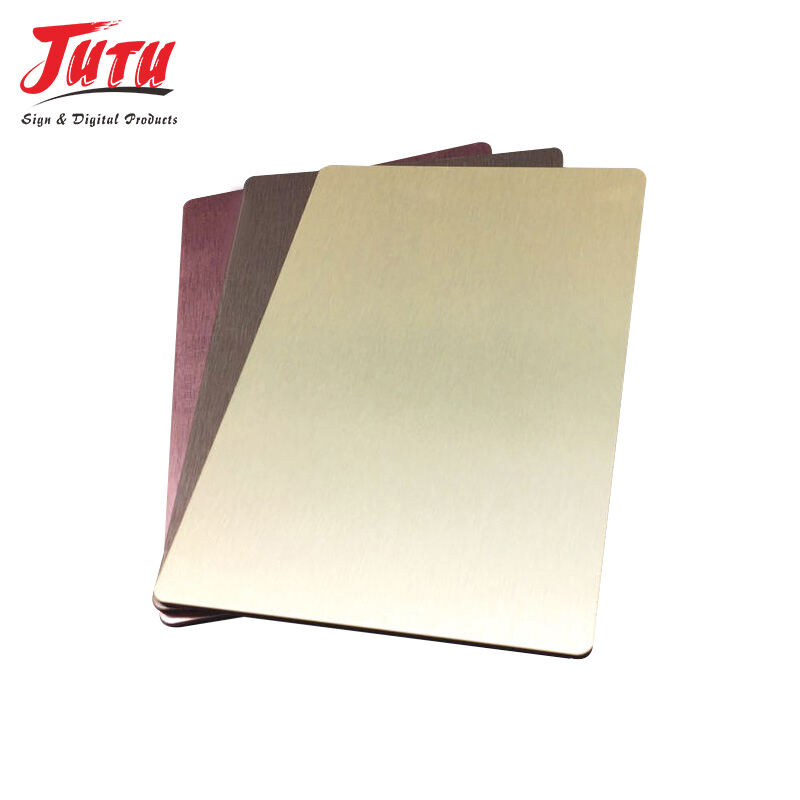
Die Welt des Innenausbaus befindet sich im Zuge einer revolutionären Veränderung, bei der innovative Materialien in modernen Bauprojekten und Renovierungen eine zentrale Rolle einnehmen. Unter diesen bahnbrechenden Lösungen haben sich PVC-Wandpaneele als vielseitige und praktische Option etabliert, die ästhetische Ansprüche mit funktionellen Vorteilen verbindet. Diese fortschrittlichen Wandverkleidungssysteme verändern die Art und Weise, wie Architekten, Planer und Hausbesitzer Innenräume gestalten, und bieten bisher ungeahnte Flexibilität bei der Umsetzung von Designs, während sie gleichzeitig den heutigen Anforderungen an Haltbarkeit, Wartungseffizienz und Kosteneffektivität gerecht werden.
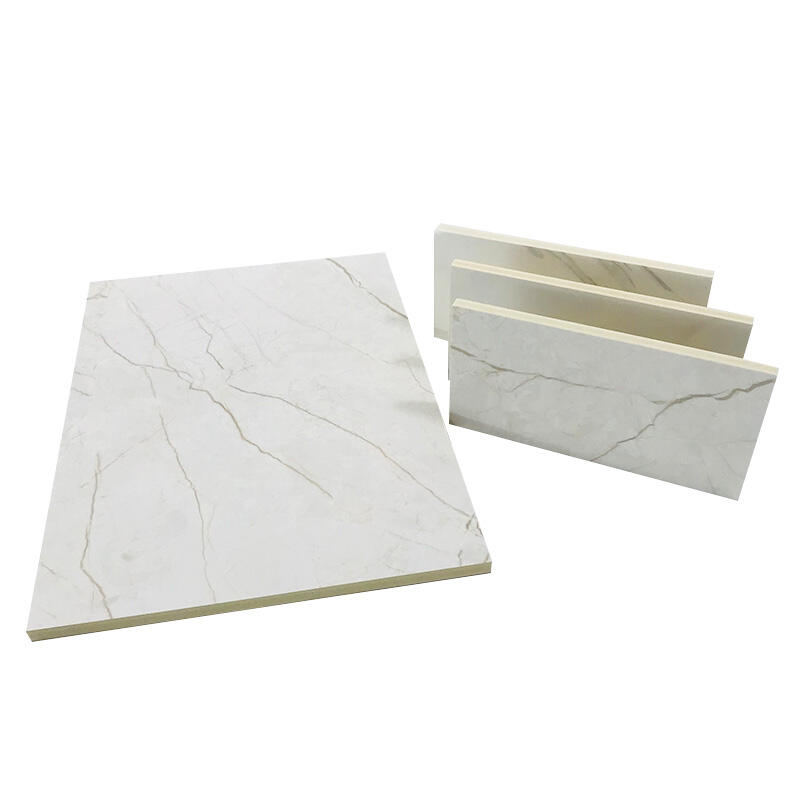
Moderne Trends im Innenausbaudesign betonen klare Linien, nachhaltige Materialien und multifunktionale Räume, die sich an sich verändernde Lebensbedürfnisse anpassen. PVC-Wandpaneele entsprechen perfekt diesen zeitgenössischen Anforderungen und bieten Gestaltern eine Fläche, die sowohl minimalistische Ästhetik als auch kühne kreative Ausdrucksformen unterstützt. Die inhärenten Materialeigenschaften ermöglichen eine nahtlose Integration in verschiedene Gestaltungskonzepte, von Wohnräumen bis hin zu gewerblichen Umgebungen, wodurch sie bei Designprofis weltweit immer beliebter werden.
Revolutionäre Materialeigenschaften, die Designinnovationen vorantreiben
Hochentwickelte Haltbarkeit und Leistungsmerkmale
Die Technik hinter PVC-Wandpaneelen stellt eine bedeutende Weiterentwicklung in der Baustofftechnologie dar. Diese Paneelen werden aus hochwertigen Polyvinylchlorid-Verbindungen hergestellt, die feuchtigkeits-, schlag- und abriebfest sind und über längere Zeiträume ihre strukturelle Integrität bewahren. Im Gegensatz zu herkömmlichen Wandverkleidungen, die unter anspruchsvollen Bedingungen beschädigt werden können, behalten PVC-Paneelen ihr Aussehen und ihre Funktionalität auch in feuchten Umgebungen wie Bädern, Küchen und gewerblichen Räumen bei.
Die Beständigkeit des Materials gegenüber gängigen Haushaltschemikalien und Reinigungsmitteln macht es besonders wertvoll in Umgebungen, in denen Hygiene oberste Priorität hat. Gesundheitseinrichtungen, Restaurants und Bildungsinstitutionen profitieren von der nicht porösen Oberfläche, die das Wachstum von Bakterien verhindert und die Desinfektion vereinfacht. Diese Langlebigkeit reduziert die langfristigen Wartungskosten erheblich und gewährleistet über die gesamte Lebensdauer der Paneelen hinweg eine gleichbleibend ansprechende Optik.
Vielseitige Gestaltungsmöglichkeiten und ästhetische Flexibilität
Zeitgenössisch Pvc-Wandpaneelen sind in einer umfangreichen Auswahl an Texturen, Farben und Oberflächen erhältlich, die natürliche Materialien wie Holz, Stein und Metall nachahmen. Diese Vielseitigkeit ermöglicht es Designern, hochwertige Ästhetik zu einem Bruchteil der Kosten echter Materialien zu erreichen. Der Herstellungsprozess erlaubt eine präzise Reproduktion von Maserungen, Oberflächenstrukturen und Farbnuancen, die authentische visuelle Erlebnisse schaffen.
Moderne Drucktechnologien und Prägverfahren haben die Qualität von PVC-Paneeloberflächen auf ein Niveau gehoben, das traditionelle Materialannahmen in Frage stellt. Planer können nun Platten auswählen, die die Wärme von Naturholz, die Eleganz von Marmor oder die industrielle Ausstrahlung von Beton vermitteln, ohne Kompromisse bei Leistung oder Budget einzugehen. Diese Flexibilität eröffnet neue Möglichkeiten für kreative Gestaltung bei gleichzeitiger Wahrung praktischer Vorteile.
Umwandlung von Gewerbe- und Wohnräumen
Anwendungen im gewerblichen Bereich
Der gewerbliche Sektor hat PVC-Wandpaneele als strategische Lösung angenommen, um beeindruckende Innenräume zu schaffen, die starken Beanspruchungen standhalten und gleichzeitig ein professionelles Erscheinungsbild bewahren. Bürogebäude, Einzelhandelsflächen und Gaststätten profitieren von der Fähigkeit des Materials, anspruchsvolle Umgebungen zu schaffen, die die Markenidentität und die Ziele des Kundenerlebnisses unterstützen. Die feuerbeständigen Eigenschaften der Paneele und ihre Konformität mit den Bauvorschriften machen sie für verschiedene gewerbliche Anwendungen geeignet, bei denen strenge Sicherheitsvorschriften gelten.
Einzelhandelsumgebungen profitieren besonders von der Gestaltungsfreiheit, die PVC-Wandpaneele bieten. Ladenplaner können immersive Markenerlebnisse schaffen, indem sie Paneele verwenden, die die Produktpräsentationen und Marketingstrategien ergänzen. Die Möglichkeit, die Paneele schnell und effizient zu installieren, minimiert Geschäftsunterbrechungen während Renovierungsprojekten und macht sie so zu einer attraktiven Option für Unternehmen in wettbewerbsintensiven Märkten, in denen Ausfallzeiten minimiert werden müssen.
Innovation im Wohnungsdesign
Hausbesitzer entdecken das transformative Potenzial von PVC-Wandpaneelen in Wohnanwendungen, wo herkömmliche Materialien als unpraktisch oder zu kostspielig erweisen können. Badezimmerrenovierungen profitieren erheblich von feuchtigkeitsbeständigen Paneelen, die Bedenken hinsichtlich Wasserschäden und Schimmelbildung beseitigen. Küchenrückwände aus PVC-Paneele bieten eine einfache Pflege und Gestaltungsfreiheit, die sich an wechselnde ästhetische Vorlieben anpasst.
Wohnräume gewinnen durch den gezielten Einsatz von PVC-Wandpaneelen als Akzentmerkmale oder umfassende Wandgestaltungen an Charakter und visuellem Reiz. Die geringe Gewichtsklasse des Materials vereinfacht die Montage, wodurch Hausbesitzer Renovierungsprojekte ohne umfangreiche bauliche Fachkenntnisse selbst durchführen können. Diese Zugänglichkeit demokratisiert das Innendesign und ermöglicht kreativen Ausdruck ohne professionelle Unterstützung in vielen Anwendungsbereichen.
Vorteile bei der Montage und technische Benefits
Vereinfachte Installationsverfahren
Die Vorteile bei der Installation von PVC-Wandpaneelen stellen eine deutliche Abkehr von herkömmlichen Methoden zur Wandbekleidung dar, die oft über spezielle Fähigkeiten und längere Projektzeiträume verfügen müssen. Die meisten PVC-Paneelsysteme verfügen über verriegelnde Konstruktionen oder Optionen zur Verklebung, die die Montage vereinfachen und gleichzeitig eine sichere Befestigung gewährleisten. Diese Effizienz führt zu geringeren Arbeitskosten und schnellerer Fertigstellung der Projekte, wodurch Renovierungen für preisbewusste Verbraucher attraktiver werden.
Professionelle Installateure schätzen die vorhersehbare Montage von PVC-Paneelen, wodurch Variablen reduziert werden, die bei herkömmlichen Wandverkleidungsprojekten Probleme verursachen können. Die Maßhaltigkeit von PVC-Materialien gewährleistet eine konsistente Passform und Ausrichtung, während die Bearbeitbarkeit des Materials ein präzises Schneiden und Formen um architektonische Gegebenheiten ermöglicht. Diese Eigenschaften tragen zu Ergebnissen in professioneller Qualität bei gleichzeitig geringerer Montagekomplexität bei.
Wartungs- und Lebensdauervorteile
Die langfristigen Wartungsanforderungen für PVC-Wandpaneele sind im Vergleich zu herkömmlichen Materialien, die regelmäßig nachbearbeitet, versiegelt oder ausgetauscht werden müssen, minimal. Die nicht poröse Oberfläche widersteht Verfärbungen und Fleckenbildung, während die strukturelle Stabilität des Materials Verziehen, Rissbildung oder andere Arten der Alterung, wie sie bei Naturmaterialien üblich sind, verhindert. Regelmäßige Reinigung mit handelsüblichen Haushaltsreinigern erhält das Erscheinungsbild der Paneele, ohne dass spezielle Behandlungen oder professionelle Wartungsdienste erforderlich sind.
Die Analyse der Lebenszykluskosten von PVC-Wandpaneelen zeigt erhebliche Vorteile gegenüber Alternativen auf, wenn Wartungsanforderungen und Austauschintervalle berücksichtigt werden. Immobilienbesitzer profitieren von vorhersehbaren langfristigen Kosten und geringeren Störungen durch Wartungsarbeiten, während die Langlebigkeit der Paneelen eine gleichbleibend ansprechende Optik über ihre gesamte Nutzungsdauer hinweg gewährleistet. Diese wirtschaftliche Effizienz macht PVC-Paneele besonders attraktiv für Investitionsimmobilien und gewerbliche Anwendungen, bei denen die Wartungskosten die Rentabilität beeinflussen.
Umweltaspekte und Nachhaltigkeit
Nachhaltige Fertigung und Recycling
Die moderne Herstellung von PVC-Wandpaneelen hat sich im Hinblick auf Umweltbelange weiterentwickelt, indem verbesserte Produktionsverfahren und Recyclinginitiativen eingeführt wurden. Führende Hersteller setzen geschlossene Systeme ein, die Abfall minimieren und die Umweltbelastung reduzieren, ohne dabei Kompromisse bei der Produktqualität einzugehen. Die Haltbarkeit von PVC-Paneelen trägt zur Nachhaltigkeit bei, da sie die Austauschhäufigkeit verringert und somit den Ressourcenverbrauch im Laufe der Zeit senkt.
Recyclingprogramme für PVC-Materialien haben sich erheblich erweitert und bieten Entsorgungsoptionen am Ende der Lebensdauer, wodurch verhindert wird, dass Platten in Abfallströme gelangen. Die chemische Stabilität des Materials ermöglicht ein effektives Recycling in neue Produkte und unterstützt so die Prinzipien der Kreislaufwirtschaft in der Bauindustrie. Diese ökologische Verantwortung entspricht dem wachsenden Bewusstsein der Verbraucher für Nachhaltigkeitsthemen sowie den behördlichen Anforderungen an umweltfreundliche Baupraktiken.
Energieeffizienz und Raumluftqualität
PVC-Wandpaneele tragen durch ihre isolierenden Eigenschaften und die luftdichte Verlegung zur Energieeffizienz von Gebäuden bei. Die thermische Leistung des Materials hilft, konstante Innentemperaturen aufrechtzuerhalten und Heiz- sowie Kühlkosten zu senken. Einige PVC-Panel-Systeme verfügen über zusätzliche Dämmschichten, die die Energieeffizienz über das hinaus steigern, was herkömmliche Wandverkleidungen bieten können.
Die Innenraumluftqualität profitiert von der nicht porösen Oberfläche von PVC-Paneelen, die keine Allergene, Hausstaubmilben oder andere luftgetragene Schadstoffe aufnimmt. Die chemische Stabilität des Materials sorgt dafür, dass nach der Montage nur minimale Ausdünstungen auftreten, was zu gesünderen Innenräumen beiträgt. Diese Eigenschaften machen PVC-Paneelen besonders wertvoll für Anwendungen, bei denen die Luftqualität entscheidend ist, wie beispielsweise in Gesundheitseinrichtungen und Bildungsinstitutionen.
Zukunftstrends und Designentwicklung
Technologische Fortschritte im Paneeldesign
Die Zukunft von PVC-Wandpaneelen umfasst kontinuierliche technologische Fortschritte in den Herstellungsverfahren und der Werkstoffkunde. Digitale Drucktechnologien ermöglichen zunehmend anspruchsvolle Oberflächendesigns, die die Grenze zwischen synthetischen und natürlichen Materialien verwischen. Dreidimensionale Strukturierungsfähigkeiten schaffen haptische Erlebnisse, die die sensorische Wirkung von Innenräumen verbessern, während sie gleichzeitig die praktischen Vorteile von PVC-Materialien bewahren.
Es entstehen intelligente Plattentechnologien, die Funktionen integrieren, die über die traditionellen Aufgaben von Wandverkleidungen hinausgehen. Einige fortschrittliche Systeme verfügen über Eigenschaften zur Temperaturregulierung, Schallverbesserung oder sogar digitale Anzeigefunktionen, wodurch Wände zu interaktiven Flächen werden. Diese Innovationen erweitern die möglichen Anwendungen von PVC-Wandpaneelen über die Grenzen des herkömmlichen Innendesigns hinaus.
Marktentwicklung und Designintegration
Die zunehmende Akzeptanz von PVC-Wandpaneelen in hochwertigen Designanwendungen spiegelt veränderte Einstellungen gegenüber synthetischen Materialien und deren Rolle im zeitgenössischen Bauprozess wider. Luxuswohnprojekte und gehobene Gewerberäume setzen verstärkt auf PVC-Panele aufgrund ihrer Kombination aus ästhetischer Raffinesse und praktischer Leistungsfähigkeit. Diese Marktentwicklung treibt die kontinuierliche Innovation bei Gestaltungsoptionen und Qualitätsstandards voran.
Die Integration mit anderen Gebäudesystemen und Materialien wird weiter ausgebaut, da Planer kreative Kombinationen erforschen, die die einzigartigen Eigenschaften von PVC-Paneelen nutzen. Hybride Ansätze, die PVC-Paneelen mit herkömmlichen Materialien kombinieren, schaffen gestalterische Möglichkeiten, die die Vorteile der einzelnen Komponenten maximieren und gleichzeitig spezifische Anforderungen des Projekts erfüllen. Dieser kollaborative Ansatz bei der Materialauswahl stellt die zukünftige Richtung der Innenarchitekturpraxis dar.
FAQ
Was macht PVC-Wandpaneele für feuchte Umgebungen geeignet
PVC-Wandpaneele überzeugen in feuchten Umgebungen durch ihre nicht poröse Oberflächenstruktur und ihre inhärente Wasserdichtigkeit. Im Gegensatz zu herkömmlichen Materialien wie Gipskarton oder Holz, die Feuchtigkeit aufnehmen und Schimmel oder strukturelle Schäden entwickeln können, behalten PVC-Paneele ihre Integrität und Optik auch bei andauernder Luftfeuchtigkeit. Die chemische Zusammensetzung des Materials verhindert Wasserabsorption und widersteht gleichzeitig dem Wachstum von Bakterien und Pilzen, wodurch es ideal für Badezimmer, Küchen und gewerbliche Lebensmittelzubereitungsbereiche ist, in denen eine Feuchtigkeitskontrolle entscheidend ist.
Wie unterscheiden sich PVC-Wandpaneele hinsichtlich Installationszeit und Komplexität von herkömmlichen Materialien
PVC-Wandpaneele reduzieren die Installationszeit und -komplexität erheblich im Vergleich zu herkömmlichen Wandverkleidungsmethoden. Die meisten PVC-Paneelsysteme verfügen über verriegelnde Designs oder eine einfache Montage mit Klebstoff, wodurch keine Spezialwerkzeuge oder umfangreiche Vorbereitungsarbeiten erforderlich sind. Während die Installation herkömmlicher Fliesen- oder Holzverkleidungen mehrere Tage und professionelles Know-how erfordern kann, können PVC-Paneele oft von erfahrenen Heimwerkern in einem Bruchteil der Zeit montiert werden. Die geringe Gewichtskraft und die maßliche Beständigkeit von PVC-Materialien beschleunigen den Installationsprozess zusätzlich und verringern die Wahrscheinlichkeit von Fehlern oder Nacharbeiten.
Welche Gestaltungsmöglichkeiten bieten moderne PVC-Wandpaneele
Moderne PVC-Wandpaneele bieten eine umfangreiche Auswahl an Gestaltungsmöglichkeiten, die mit natürlichen Materialien in Bezug auf visuelle Attraktivität und Texturvielfalt konkurrieren können. Fortschrittliche Herstellungsverfahren ermöglichen eine präzise Nachbildung von Holzmaserungen, Steinoberflächen, metallischen Effekten und abstrakten Mustern. Die Farbpalette reicht von dezenten Neutraltönen bis hin zu kräftigen Akzentfarben, während Oberflächenbehandlungen matte, glänzende oder strukturierte Optiken erzeugen können. Einige Hersteller bieten individuelle Druckdienstleistungen an, die einzigartige Muster oder Markendesigns ermöglichen und schaffen so nahezu unbegrenzte kreative Möglichkeiten für Wohn- und Gewerbeanwendungen.
Sind PVC-Wandpaneele umweltverträgliche Wahlmöglichkeiten für den modernen Bau?
PVC-Wandpaneele haben sich weiterentwickelt und sind durch verbesserte Herstellungsverfahren und Recyclingprogramme am Ende ihrer Lebensdauer umweltverträglicher geworden. Die Langlebigkeit hochwertiger PVC-Paneele führt dazu, dass sie in der Regel länger halten als viele alternative Materialien, wodurch die Austauschhäufigkeit und der damit verbundene Ressourcenverbrauch reduziert werden. Viele Hersteller beteiligen sich mittlerweile an Recyclinginitiativen, bei denen alte Paneele für andere Produkte wiederverwendet werden, was den Grundsätzen der Kreislaufwirtschaft dient. Zudem können die energetischen Vorteile von PVC-Paneelen aufgrund ihrer isolierenden Eigenschaften langfristig zu einem geringeren Energieverbrauch in Gebäuden beitragen und so ihre Umweltbelastung durch Betriebseinsparungen ausgleichen.
Inhaltsverzeichnis
- Revolutionäre Materialeigenschaften, die Designinnovationen vorantreiben
- Umwandlung von Gewerbe- und Wohnräumen
- Vorteile bei der Montage und technische Benefits
- Umweltaspekte und Nachhaltigkeit
- Zukunftstrends und Designentwicklung
-
FAQ
- Was macht PVC-Wandpaneele für feuchte Umgebungen geeignet
- Wie unterscheiden sich PVC-Wandpaneele hinsichtlich Installationszeit und Komplexität von herkömmlichen Materialien
- Welche Gestaltungsmöglichkeiten bieten moderne PVC-Wandpaneele
- Sind PVC-Wandpaneele umweltverträgliche Wahlmöglichkeiten für den modernen Bau?