 EN
EN

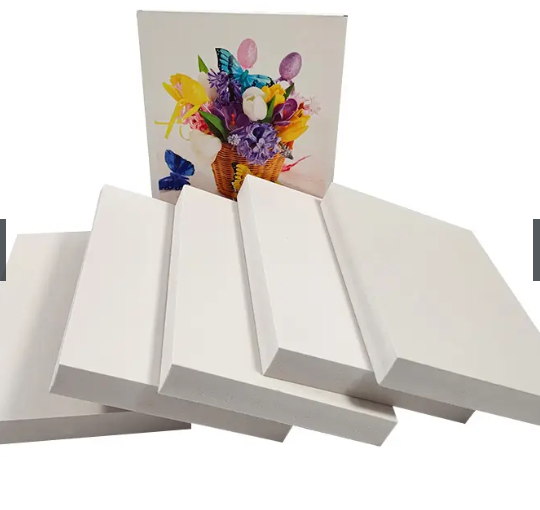
Industrial environments demand materials that can withstand prolonged exposure to harsh chemicals without degrading, losing structural integrity, or compromising performance. The pvc celuka board has emerged as a leading solution for applications where chemical resistance is non-negotiable. Understanding how pvc celuka board performs under chemical stress is essential for engineers, facility managers, and procurement professionals who need reliable materials for corrosive environments. This comprehensive guide explores the chemical resistance capabilities of pvc celuka board, its material composition, and why it outperforms many traditional alternatives in demanding industrial settings.
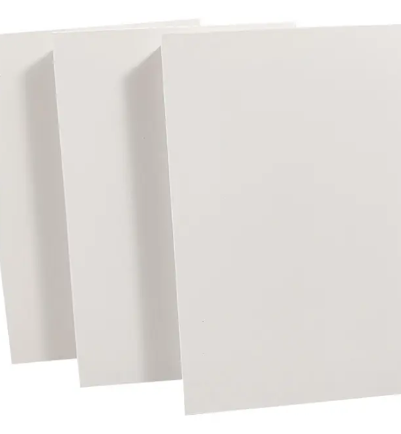
The unique cellular structure of pvc celuka board combined with advanced resin technology creates a material that resists a wide spectrum of industrial chemicals. From aggressive cleaning agents to petroleum derivatives and mineral acids, pvc celuka board maintains its mechanical properties and dimensional stability even after years of exposure. This exceptional durability translates into lower maintenance costs, reduced replacement cycles, and improved operational efficiency across manufacturing, processing, and storage facilities.
Understanding PVC Celuka Board Material Composition
Cellular Structure and Chemical Barriers
The core advantage of pvc celuka board lies in its foam-filled cellular design. Unlike solid plastic sheets, pvc celuka board features millions of microscopic closed cells that are sealed within a dense outer layer. This structural design creates multiple protective barriers against chemical penetration. The dense skin of pvc celuka board acts as the first line of defense, preventing surface degradation and limiting chemical diffusion into deeper layers. The cellular foam core of pvc celuka board further resists absorption, meaning liquids and vapors cannot easily migrate through the material.
Resin Formulation for Superior Durability
Manufacturing processes for pvc celuka board employ specialized PVC resins formulated specifically for chemical resistance. These resins are carefully selected and treated to create a molecular structure that repels rather than absorbs chemical compounds. The pvc celuka board production process incorporates stabilizers and additives that further enhance its resistance to oxidation and degradation. When compared to standard PVC sheets, pvc celuka board offers superior long-term performance in environments where repeated chemical contact is unavoidable. The formulation of pvc celuka board ensures that exposure to acids, bases, oils, and solvents does not cause swelling, warping, or loss of mechanical strength.
Chemical Resistance Performance of PVC Celuka Board
Resistance to Common Industrial Chemicals
The pvc celuka board demonstrates outstanding resistance to a broad range of chemical families. Mineral acids such as sulfuric acid, hydrochloric acid, and phosphoric acid have minimal effect on pvc celuka board surface properties even at elevated temperatures. Organic solvents including acetone, benzene, and xylene do not cause the material degradation seen in competing products. The pvc celuka board also withstands exposure to alkalis, oxidizing agents, and cleaning compounds without experiencing surface etching or color fading. This versatile resistance profile makes pvc celuka board ideal for pharmaceutical manufacturing, chemical processing facilities, food production plants, and water treatment installations. Industrial operators rely on pvc celuka board for tank linings, wall cladding, and protective barriers precisely because of this comprehensive chemical tolerance.
Temperature and Chemical Interaction Effects
Chemical resistance of pvc celuka board remains stable across a wide temperature range, typically from minus fifteen degrees Celsius to sixty degrees Celsius. At elevated temperatures, pvc celuka board may experience slightly increased chemical diffusion rates, but the overall resistance profile remains robust. Thermal cycling, where temperatures fluctuate between hot and cold extremes, does not significantly compromise pvc celuka board performance. The thermal stability of pvc celuka board means that even in heated chemical environments, the material maintains its structural integrity and chemical barrier properties. This makes pvc celuka board particularly valuable in industrial processes where both heat and chemical exposure occur simultaneously.
Practical Applications and Long-Term Performance
Industrial Storage and Processing Environments
Manufacturing facilities depend on pvc celuka board for constructing chemical storage enclosures and secondary containment systems. The material's resistance to chemical spillage and continuous vapor exposure makes pvc celuka board a cost-effective alternative to stainless steel or specialized composite systems. Environmental compliance requirements often necessitate robust barrier materials, and pvc celuka board meets these standards while remaining lightweight and easy to install. Pharmaceutical manufacturers use pvc celuka board for laboratory walls and fume hood surrounds because the material does not off-gas or contaminate sensitive production areas. The corrosion-resistant properties of pvc celuka board ensure multi-decade service life with minimal maintenance intervention.
Maintenance and Longevity Advantages
Unlike metal alternatives that require protective coatings and routine inspections, pvc celuka board demands minimal ongoing maintenance. Surface cleaning with mild detergents removes organic residues without affecting pvc celuka board integrity. Chemical exposure does not create stress points or micro-failures that lead to unexpected catastrophic breakdown. This reliability makes pvc celuka board especially valuable in remote or difficult-to-access installations where emergency repairs are costly and disruptive. The dimensional stability of pvc celuka board ensures that installations remain watertight and structurally sound throughout extended service periods. Facility managers consistently choose pvc celuka board because it reduces lifecycle costs and operational risk compared to materials that degrade under chemical stress.
FAQ
What specific chemicals does pvc celuka board resist most effectively?
The pvc celuka board demonstrates excellent resistance to mineral acids including sulfuric, hydrochloric, and nitric acids, as well as most organic solvents, alkalis, and petroleum products. While pvc celuka board resists an extensive chemical spectrum, certain specialized solvents and aromatic compounds may require compatibility testing for specific applications. Consulting detailed chemical compatibility charts for your particular substance ensures optimal material selection and long-term performance of pvc celuka board in your facility.
How does temperature affect the chemical resistance of pvc celuka board?
The pvc celuka board maintains reliable chemical resistance across its operating temperature range of approximately minus fifteen to sixty degrees Celsius. At higher temperatures near the upper limit, chemical diffusion rates into pvc celuka board may increase slightly, though overall resistance remains substantially intact. Temperature fluctuations do not significantly degrade the chemical barrier properties of pvc celuka board, making it suitable for dynamic thermal environments. For applications exceeding sixty degrees Celsius, specialized engineering analysis of pvc celuka board performance under your specific conditions is recommended.
Can pvc celuka board be used in direct contact with liquid chemicals indefinitely?
Yes, pvc celuka board is specifically engineered for permanent liquid chemical contact in most industrial applications. The cellular structure and chemical-resistant resin formulation of pvc celuka board prevent absorption and degradation even after decades of immersion. However, sustained contact with certain exotic or specialized chemicals may eventually affect pvc celuka board performance over extremely long periods. Conducting material compatibility testing with your actual process chemicals ensures that pvc celuka board will perform reliably throughout your installation's service life.