 EN
EN

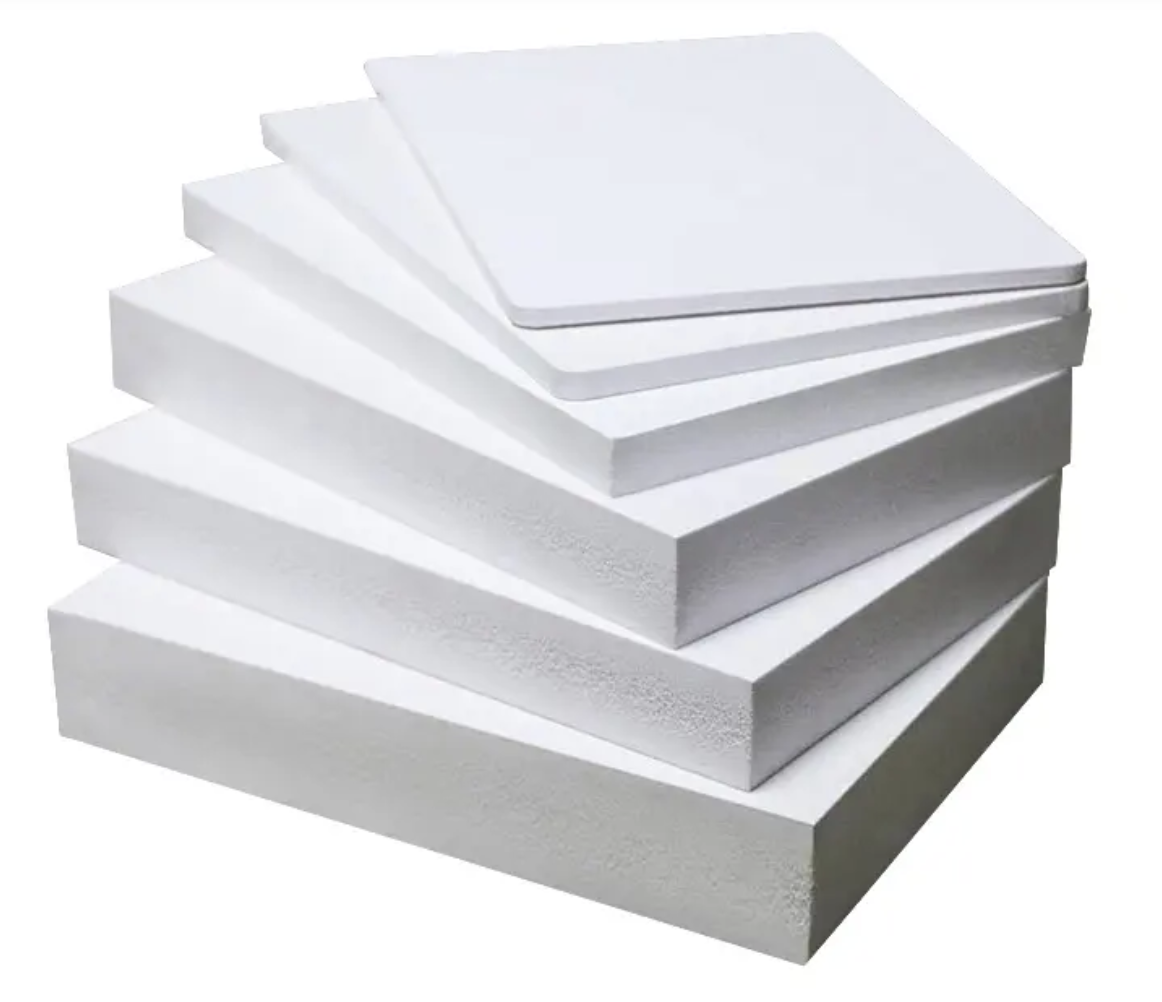
The durability of pvc celuka board depends significantly on the quality and type of surface treatments applied during manufacturing and installation. Surface treatments serve as protective barriers that shield pvc celuka board from environmental damage, chemical exposure, and mechanical stress. Understanding how these treatments function is essential for engineers, contractors, and procurement specialists who rely on pvc celuka board for demanding applications across construction, signage, and industrial sectors.
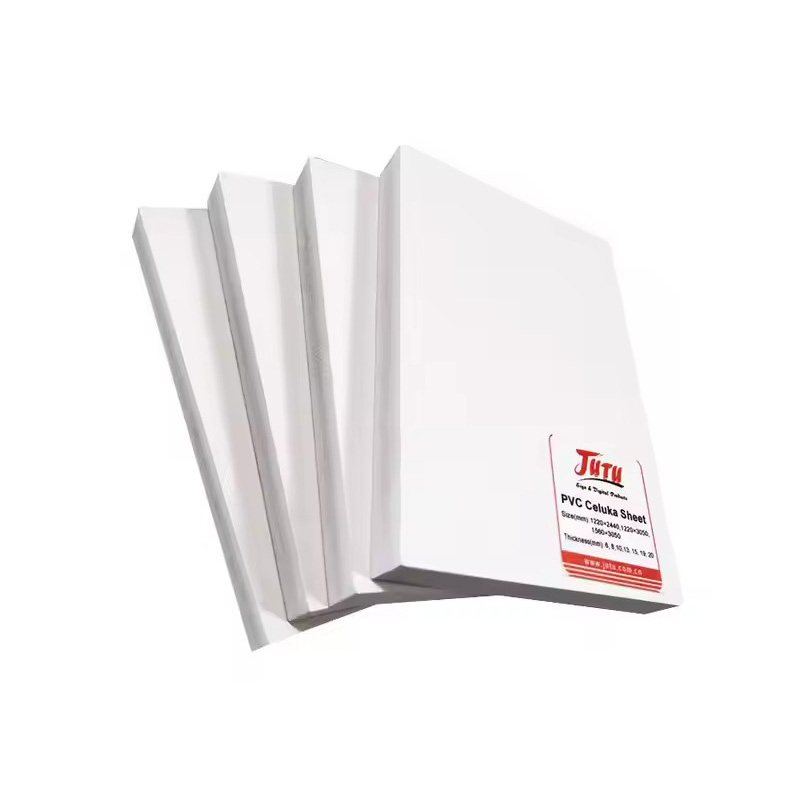
Durability in pvc celuka board extends far beyond raw material composition. The surface treatment layer directly influences how well the material withstands UV radiation, moisture infiltration, temperature fluctuations, and chemical contact. A properly treated pvc celuka board can maintain its structural integrity and aesthetic appearance for decades, while untreated or poorly treated material may deteriorate rapidly. This article explores the mechanisms behind surface treatment effectiveness and the tangible durability improvements that result from proper application.
How Surface Treatments Protect PVC Celuka Board
Chemical Barrier Formation
Surface treatments for pvc celuka board create a protective chemical barrier that prevents harmful substances from penetrating the core material. UV-stabilizing coatings are among the most critical surface treatments, as they absorb ultraviolet radiation before it reaches the underlying pvc celuka board structure. Without this protection, prolonged sun exposure causes the pvc celuka board to become brittle, fade in color, and lose structural strength. Acrylic and polyurethane-based coatings are commonly applied to pvc celuka board surfaces to provide this essential UV defense and extend service life significantly.
Moisture and Environmental Resistance
Water ingress represents a major durability threat to pvc celuka board, particularly in outdoor and high-humidity environments. Advanced surface treatments applied to pvc celuka board include hydrophobic layers that repel moisture and prevent swelling, warping, and internal degradation. These treatments on pvc celuka board also reduce the risk of algae and mold growth, which can compromise both appearance and structural performance. The pvc celuka board surface becomes more resistant to environmental stressors when sealed with quality coatings, ensuring consistent dimensional stability even through temperature cycling and seasonal moisture changes.
Types of Surface Treatments and Their Durability Impact
Gel Coat and Paint Systems
Gel coat treatments applied to pvc celuka board provide excellent color retention and glossy finishes while adding a protective layer against scratches and minor impacts. High-quality gel coat systems on pvc celuka board typically extend durability by five to ten years compared to untreated material. Paint systems, when properly formulated for pvc celuka board applications, offer customizable aesthetics combined with functional protection. The pvc celuka board with paint coatings resists staining, fading, and chemical exposure more effectively, making it ideal for signage, retail displays, and architectural cladding where appearance matters as much as longevity.
Laminated Surface Veneers
Laminated veneers bonded to pvc celuka board surfaces create a durable protective skin that significantly enhances resistance to wear, impact, and environmental degradation. Wood-grain, metallic, or solid-color laminates adhered to pvc celuka board provide both aesthetic appeal and functional protection. The pvc celuka board with laminated surfaces resists scratching, denting, and UV fading far more effectively than paint alone. Industrial and commercial applications frequently rely on laminated pvc celuka board because the veneer acts as a replaceable protective layer that absorbs damage while preserving the core material underneath. This approach extends the service life of pvc celuka board components in high-traffic areas and demanding conditions.
Oxidation and Chemical Resistance Coatings
Specialized chemical-resistant coatings enhance the durability of pvc celuka board when exposure to industrial solvents, oils, or corrosive substances is expected. These surface treatments on pvc celuka board create a sealed barrier that prevents chemical penetration and material degradation. The pvc celuka board treated with oxidation-resistant coatings maintains structural integrity even in challenging chemical environments. Pharmaceutical, food processing, and petrochemical facilities rely on treated pvc celuka board because standard coatings alone cannot withstand aggressive chemical contact. Advanced surface treatment formulations ensure that pvc celuka board components resist discoloration, embrittlement, and material failure even when regularly exposed to harsh substances.
Installation and Maintenance Factors Affecting Durability
Proper Application of Surface Treatments
The durability advantage of surface treatments on pvc celuka board depends critically on proper application during manufacturing and installation phases. Inadequate coating thickness, uneven distribution, or application in improper environmental conditions reduces the effectiveness of surface treatments on pvc celuka board. Professional installers ensure that pvc celuka board receives protective coatings in controlled environments with correct humidity and temperature ranges. When surface treatments are applied correctly to pvc celuka board, adhesion improves, coverage becomes uniform, and protection lasts considerably longer. Cutting, drilling, or machining pvc celuka board after surface treatment requires careful attention to re-seal exposed edges and prevent water infiltration at penetration points.
Maintenance Protocols and Long-Term Performance
Regular cleaning and maintenance of pvc celuka board with surface treatments significantly extends overall durability and appearance retention. Gentle washing with mild soap and water removes environmental contaminants that can degrade protective coatings on pvc celuka board. Avoiding harsh abrasive cleaners ensures that surface treatments on pvc celuka board remain intact and effective. Inspecting pvc celuka board periodically for coating damage, discoloration, or adhesion loss allows early intervention before problems worsen. Facilities that implement preventive maintenance schedules for pvc celuka board components consistently report superior durability performance and lower replacement costs over time. Touch-up treatments or partial re-coating of pvc celuka board may be necessary after years of service, but this investment preserves the material for additional decades of reliable performance.
Industry Applications and Real-World Durability Outcomes
Outdoor Signage and Architectural Uses
Surface-treated pvc celuka board has become the material of choice for outdoor signage because the protective coatings resist UV degradation and weathering effectively. Signage manufacturers specify high-performance surface treatments for pvc celuka board to ensure consistent color and dimensional stability across multi-year deployments. The pvc celuka board used in architectural cladding benefits dramatically from surface treatments that shield against salt spray, pollution, and temperature extremes. Coastal environments, urban areas, and harsh climates present maximum durability challenges, yet properly treated pvc celuka board consistently outperforms untreated alternatives by a factor of three to four in service life.
Industrial and Retail Interior Applications
Interior applications of pvc celuka board in retail stores, warehouses, and manufacturing facilities rely on surface treatments to resist damage from handling, machinery, and chemical spills. The durability of pvc celuka board in these environments directly impacts operational efficiency and maintenance budgets. Surface-treated pvc celuka board resists marking, staining, and impact damage more effectively, reducing the need for replacement and refinishing. Food service facilities, pharmaceutical warehouses, and retail environments all demonstrate measurable cost savings when pvc celuka board with advanced surface treatments replaces other materials prone to degradation. The longevity of treated pvc celuka board in these demanding spaces justifies the premium investment in quality surface protection.
FAQ
What are the most critical surface treatments for outdoor pvc celuka board?
UV-stabilizing coatings and hydrophobic sealants represent the most critical surface treatments for outdoor pvc celuka board exposure. These treatments protect against sun damage, moisture infiltration, and environmental contamination. High-quality acrylic or polyurethane coatings applied to pvc celuka board provide the longest durability in outdoor settings, typically extending service life by ten to fifteen years compared to untreated material.
How does surface treatment affect the cost and durability of pvc celuka board?
Surface treatments increase the initial material cost of pvc celuka board by ten to twenty percent, but the extended service life and reduced maintenance requirements provide substantial return on investment. Treated pvc celuka board typically lasts two to four times longer than untreated material, making the treatment cost negligible when spread across the extended lifespan. Total cost of ownership favors treated pvc celuka board in virtually all commercial and industrial applications.
Can surface treatments on pvc celuka board be repaired or reapplied?
Yes, surface treatments on pvc celuka board can be partially repaired or fully reapplied after years of service. Professional refinishing of pvc celuka board involves cleaning, surface preparation, and application of fresh protective coatings. Recoating pvc celuka board extends durability and restores appearance without requiring complete material replacement, offering significant cost savings for long-term asset management.