 EN
EN

Understanding the Remarkable Strength of Honeycomb Construction
When it comes to modern furniture design and manufacturing, honeycomb board has emerged as a revolutionary material that combines exceptional strength with lightweight properties. This innovative material, inspired by nature's perfect hexagonal structures, has transformed how we approach furniture construction. The unique engineering behind honeycomb board creates a material that can support impressive weight loads while maintaining minimal mass – a characteristic that has caught the attention of furniture designers and manufacturers worldwide.
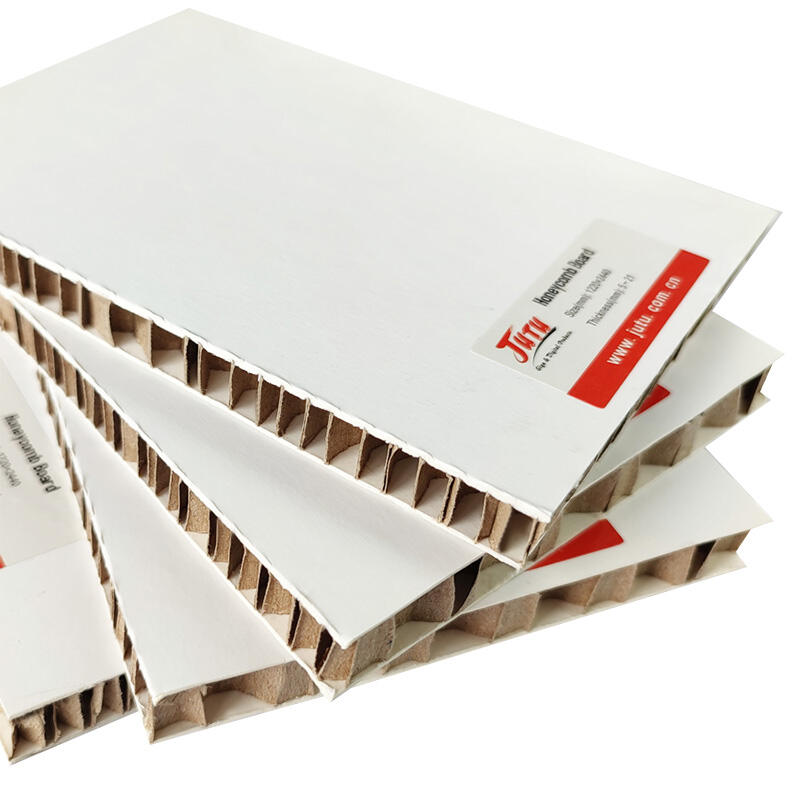
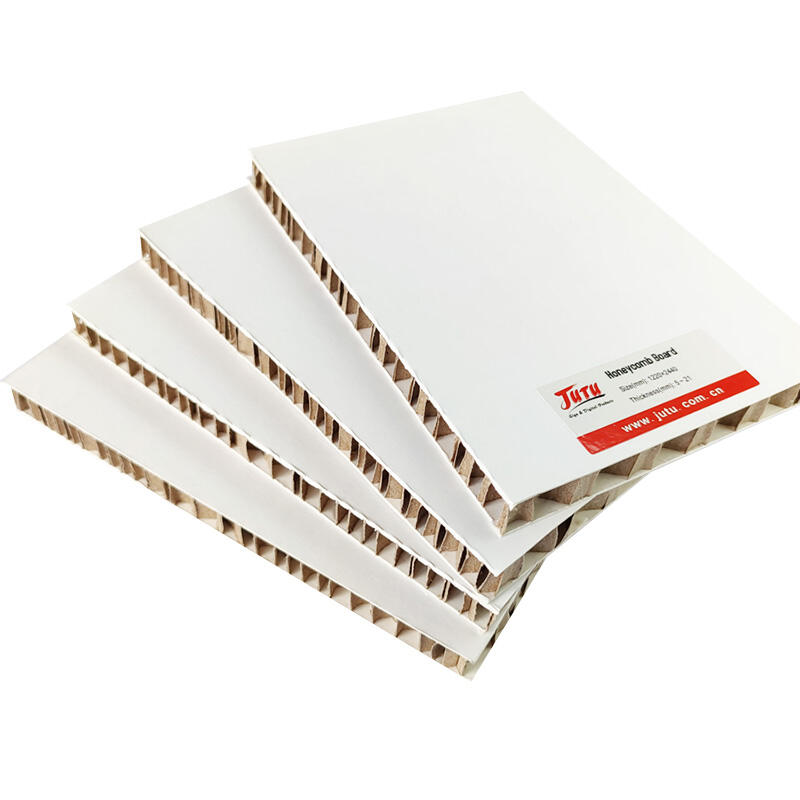
The structural integrity of honeycomb board comes from its ingenious design: a core of hexagonal cells sandwiched between two rigid facing panels. This configuration mirrors the efficiency found in natural beehives, where minimal material usage creates maximum structural stability. In furniture applications, this translates to pieces that are simultaneously robust and resource-efficient.
The Science Behind Honeycomb Board Strength
Structural Composition and Load Distribution
The impressive strength of honeycomb board lies in its sophisticated engineering. The hexagonal core structure distributes weight loads evenly across the entire surface, preventing stress concentration at any single point. This distribution pattern allows honeycomb board to support substantial weight without compromising its structural integrity. The facing panels work in conjunction with the core to create a rigid, stable surface that resists both bending and compression forces.
Laboratory tests have shown that honeycomb board can withstand significant pressure per square inch, often surpassing the performance of solid wood panels of similar thickness. This strength-to-weight ratio makes it particularly valuable in furniture applications where both durability and mobility are essential considerations.
Material Science Innovations
Modern honeycomb board manufacturing incorporates advanced materials science to enhance strength characteristics. High-grade paper, cardboard, or aluminum cores can be combined with various facing materials, including wood veneers, laminates, or engineered surfaces. These combinations create customized solutions for different furniture applications, each optimized for specific strength requirements.
The bonding technology used in honeycomb board construction has also evolved significantly. Contemporary adhesives ensure that the connection between the core and facing panels remains robust throughout the furniture's lifetime, even under varying environmental conditions.
Performance in Different Furniture Applications
Table and Desktop Surfaces
In table construction, honeycomb board demonstrates exceptional performance characteristics. A standard honeycomb board table top can easily support the weight of heavy equipment, books, and daily use items without showing signs of sagging or structural fatigue. The material's inherent stability prevents warping, a common issue with solid wood surfaces, ensuring that table tops remain flat and functional over extended periods.
The strength of honeycomb board in horizontal applications is particularly impressive when considering large-format conference tables or workstations. These pieces can span significant distances without requiring additional support structures, creating clean, contemporary designs while maintaining structural integrity.
Cabinet and Storage Solutions
When used in cabinet construction, honeycomb board proves its versatility and strength in vertical applications. Cabinet doors made with this material resist warping and maintain their shape even in environments with fluctuating humidity levels. The material's strength allows for larger cabinet doors without the need for additional reinforcement, creating sleek, modern designs that perform reliably.
Shelving units constructed from honeycomb board can support substantial loads while remaining lightweight enough for easy installation and relocation. This combination of strength and manageability makes it ideal for both fixed and modular storage solutions.
Durability and Long-term Performance
Impact Resistance and Daily Wear
The unique structure of honeycomb board provides excellent impact resistance, absorbing and distributing force across its surface. This characteristic helps prevent damage from daily use and accidental impacts. The material's resilience means furniture pieces maintain their appearance and structural integrity even in high-traffic environments.
Long-term testing has shown that honeycomb board furniture maintains its strength characteristics over extended periods. Unlike some traditional materials that may weaken or deteriorate with age, properly constructed honeycomb board maintains its structural properties throughout its service life.
Environmental Stability
Modern honeycomb board is engineered to perform consistently across various environmental conditions. The material shows minimal expansion and contraction with temperature and humidity changes, contributing to its long-term stability. This dimensional stability is crucial for furniture applications, ensuring that pieces remain functional and aesthetically pleasing over time.
The resistance to environmental factors makes honeycomb board particularly suitable for furniture used in challenging environments, such as rooms with variable climate conditions or spaces exposed to seasonal changes.
Frequently Asked Questions
What is the maximum weight honeycomb board can support?
The weight-bearing capacity of honeycomb board varies depending on its thickness, core material, and facing panels. Professional-grade honeycomb board used in furniture can typically support several hundred pounds per square foot when properly constructed and supported. However, specific load ratings should be obtained from manufacturers for each application.
How does honeycomb board compare to solid wood in strength?
While honeycomb board may not match the absolute strength of solid hardwood in some applications, its strength-to-weight ratio often exceeds that of solid wood. For furniture applications, honeycomb board provides more than adequate strength while offering significant advantages in weight reduction and resource efficiency.
Can honeycomb board be repaired if damaged?
Minor surface damage to honeycomb board can be repaired using standard furniture repair techniques. However, significant structural damage may require panel replacement. The modular nature of many honeycomb board furniture pieces often makes such replacements straightforward and cost-effective.