 EN
EN

The furniture industry is undergoing a quiet but significant transformation, and acrylic sheets are at the center of it. Designers and manufacturers who once relied exclusively on wood, metal, or glass are now turning to acrylic sheets as a primary material for creating bold, contemporary pieces. The appeal is not accidental. Acrylic sheets deliver a combination of optical clarity, light weight, and design flexibility that few other materials can match at a comparable cost and workability level.
Understanding how acrylic sheets are shaping contemporary furniture design means looking beyond the surface. Acrylic sheets influence how furniture integrates with light, space, and interior architecture. From minimalist coffee tables to elaborate room dividers, acrylic sheets are enabling a new visual language in modern interiors. This article explores the specific mechanisms through which acrylic sheets are redefining furniture design today, covering material properties, design applications, and the practical benefits that make them a preferred choice for forward-thinking designers.
Material Properties That Drive Design Innovation
Optical Clarity and Light Interaction
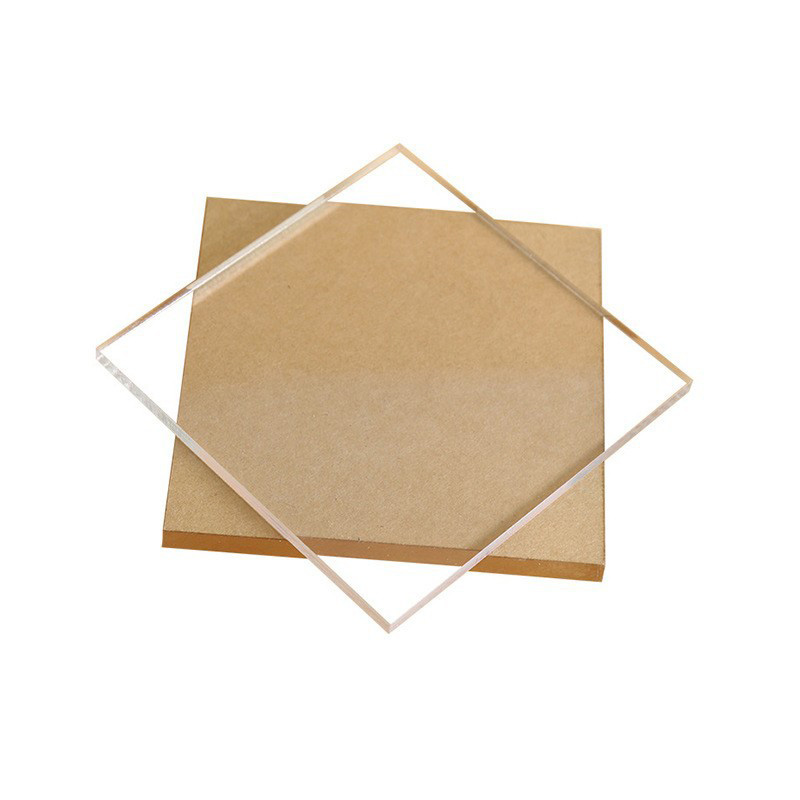
One of the most distinctive qualities of acrylic sheets is their exceptional optical clarity. Acrylic sheets transmit up to 92% of visible light, which is higher than standard glass. This property allows furniture designers to create pieces that appear almost invisible, producing an open and airy effect in any room. When acrylic sheets are used for table tops, shelving panels, or chair backs, they preserve the visual flow of a space without adding visual weight. This makes acrylic sheets particularly valuable in smaller rooms or open-plan interiors where maintaining a sense of space is essential.
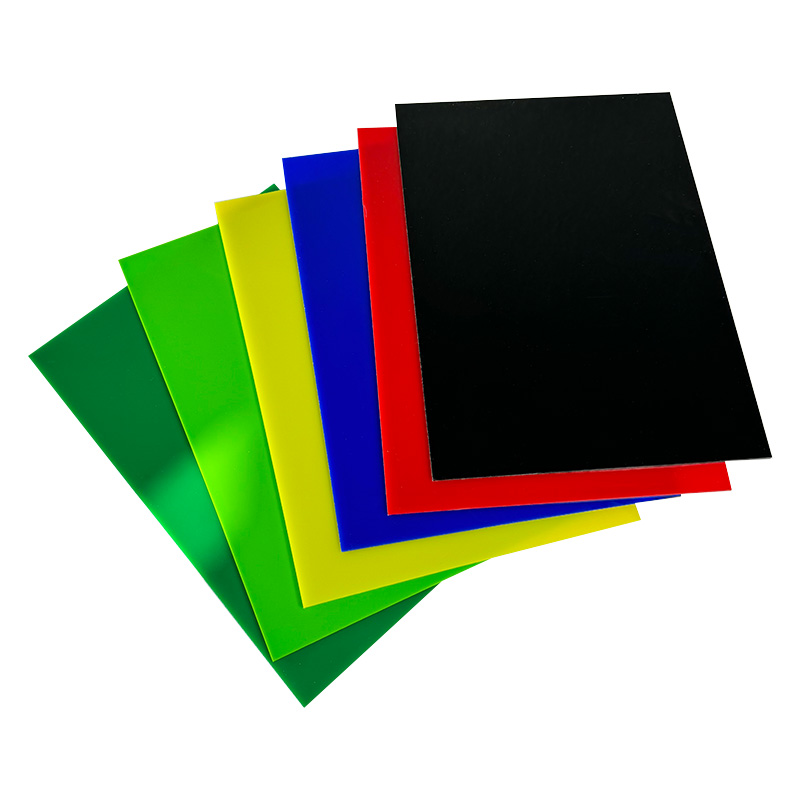
Acrylic sheets also interact with artificial and natural light in ways that enhance design creativity. Colored and tinted acrylic sheets diffuse light softly, creating ambient glow effects when used in illuminated furniture or backlit panels. Designers working on hospitality furniture, display cases, and decorative shelving units frequently choose acrylic sheets because they allow light to become part of the design itself, not just a backdrop to it.
Workability and Fabrication Advantages
Beyond aesthetics, acrylic sheets offer significant fabrication advantages that give designers greater creative freedom. Acrylic sheets can be cut, drilled, bent, and thermoformed with standard tools and moderate heat, making them highly adaptable for both small workshops and large-scale production environments. Unlike glass, acrylic sheets can be shaped into curves and complex geometries without the need for specialized equipment. This thermoforming capability is a major reason why furniture designers are incorporating acrylic sheets into organic, curved forms that would be difficult or costly to achieve with traditional materials. The result is furniture that is both technically precise and visually expressive.
Contemporary Furniture Applications of Acrylic Sheets
Residential and Commercial Furniture Pieces
In residential settings, acrylic sheets are being used to create coffee tables, side tables, bed frames, bookshelves, and wardrobe panels that feel modern and unobtrusive. The transparency of acrylic sheets allows them to complement virtually any interior color scheme or material palette. A clear acrylic sheet dining table, for example, pairs effortlessly with upholstered chairs of any color because the table itself does not compete visually. This versatility has made acrylic sheets a go-to choice for interior designers who need furniture that adapts across diverse spaces.
In commercial furniture design, acrylic sheets are equally influential. Office partitions, reception desks, retail display units, and restaurant furniture increasingly incorporate acrylic sheets to achieve a contemporary, professional look. Acrylic sheets are lighter than glass and more impact-resistant, reducing installation complexity and long-term maintenance concerns. For commercial environments where durability and appearance must coexist, acrylic sheets represent a highly practical solution without sacrificing aesthetic quality.
Decorative Panels and Custom Design Elements
Decorative acrylic sheets are being used as feature panels, cabinet fronts, and inlays that add texture and personality to furniture pieces. Frosted, mirrored, fluorescent, and metallic-finish acrylic sheets give designers a wide range of surface options beyond basic transparency. These specialty acrylic sheets can simulate the look of more expensive materials like marble or brushed metal while remaining far easier to handle and maintain. Designers who work on bespoke or high-end furniture projects find that decorative acrylic sheets allow them to introduce premium visual effects at a fraction of the material cost, without compromising the quality of the final piece.
Practical and Sustainability Considerations
Durability, Safety, and Maintenance Benefits
Contemporary furniture must be durable enough to withstand daily use while maintaining its appearance over time. Acrylic sheets are notably impact-resistant, being many times stronger than standard glass of equivalent thickness. This makes acrylic sheets a safer option in furniture pieces that may be used around children or in high-traffic commercial environments. Acrylic sheets are also resistant to UV degradation when treated appropriately, meaning that outdoor or window-adjacent furniture made with acrylic sheets retains its clarity and color over extended periods. Maintenance is straightforward, as acrylic sheets can be cleaned with mild soap and water and, if scratched, can often be polished back to clarity with appropriate compounds.
Sustainability and Long-Term Value
Sustainability is an increasingly important consideration in furniture design and procurement. Acrylic sheets are fully recyclable, and their long service life reduces the frequency of replacement compared to some alternative materials. The light weight of acrylic sheets also contributes to lower transportation emissions across the supply chain. For designers and manufacturers committed to reducing environmental impact, acrylic sheets offer a material choice that balances performance, longevity, and recyclability. As the furniture industry continues to prioritize sustainable practices, the role of acrylic sheets in responsible design is expected to grow further.
FAQ
Are acrylic sheets strong enough for everyday furniture use?
Yes, acrylic sheets are significantly more impact-resistant than glass of the same thickness, making them well-suited for everyday furniture applications including table tops, shelving, and chair components. Acrylic sheets can withstand normal household and commercial use effectively when the correct thickness is selected for the intended load and application.
Can acrylic sheets be used for outdoor furniture?
Acrylic sheets can be used in outdoor furniture applications when UV-stabilized grades are selected. UV-resistant acrylic sheets maintain their optical clarity and color stability even under prolonged sun exposure, making them appropriate for patio tables, garden dividers, and other exterior furniture pieces where durability and appearance matter.
How do acrylic sheets compare to glass in furniture design?
Acrylic sheets offer several advantages over glass in furniture design contexts. Acrylic sheets are lighter, more impact-resistant, and easier to cut and shape, which simplifies both production and installation. While glass has a slightly cooler feel to the touch, acrylic sheets deliver comparable optical clarity and are considered safer in applications where breakage could pose a risk. For most contemporary furniture applications, acrylic sheets provide a more versatile and practical alternative to glass.