 EN
EN

When retailers seek materials that combine visual impact with practical durability, the acrylic sheet has consistently proven itself as a top-performing choice for storefront design. From high-street fashion boutiques to specialty electronics retailers, the acrylic sheet delivers the optical clarity and structural versatility that modern retail environments demand. Its lightweight nature, combined with superior light transmission, makes the acrylic sheet a strategic asset for brands aiming to attract foot traffic and communicate quality at the point of sale.
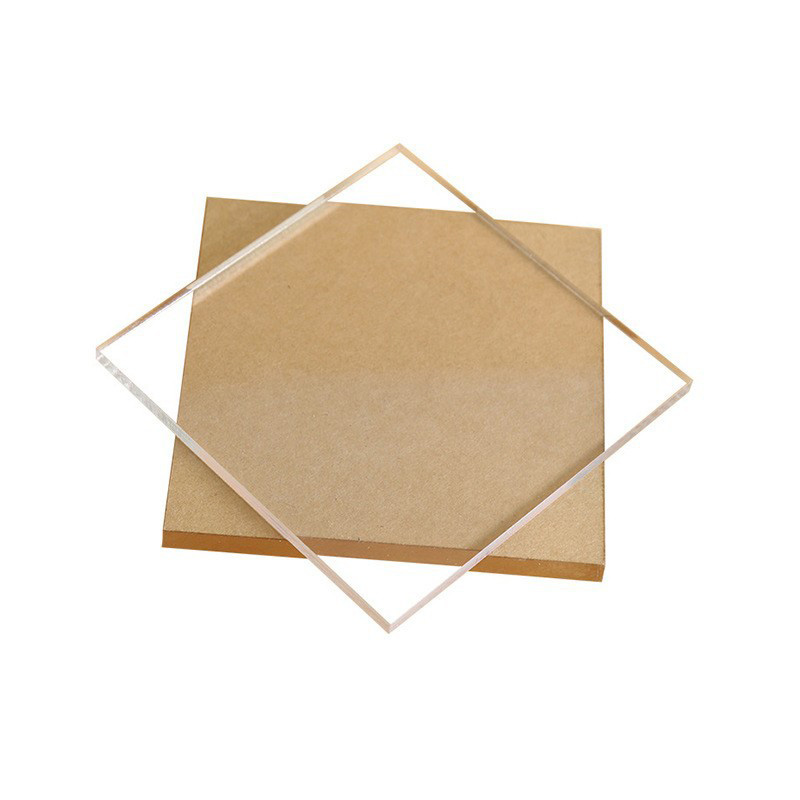
This case study examines how retailers across multiple sectors have applied the acrylic sheet to real storefront design challenges. By exploring specific application scenarios, material selection reasoning, and measurable outcomes, this article provides decision-useful insight for procurement managers, store designers, and brand managers who are evaluating the acrylic sheet as a primary material for their next retail buildout. Understanding where and why acrylic sheet performs best will help professionals make confident, informed design choices.
Retail Display Applications of Acrylic Sheet
Window Displays and Signage Panels
One of the most visible applications of acrylic sheet in retail is the storefront window display. Retailers use acrylic sheet panels as backdrops, dividers, and signage mounts because the material transmits up to 92% of visible light, outperforming standard glass in brightness and perceived freshness. A fashion retailer using acrylic sheet for seasonal window installations reported that display changeovers became significantly faster, since acrylic sheet can be cut, drilled, and shaped in-house without specialized tools.
Printed acrylic sheet panels also serve as high-impact branded signage. When UV printing is applied directly to an acrylic sheet surface, the result is vivid, scratch-resistant graphics that maintain color integrity under sustained artificial lighting. This makes acrylic sheet ideal for logo displays, promotional messaging, and directional signage within the storefront zone. Retailers who switch from foam board or vinyl to acrylic sheet consistently note a premium lift in how customers perceive the brand environment.
Product Pedestals and Shelving Units
Beyond flat panels, acrylic sheet is widely used to fabricate three-dimensional display structures such as product pedestals, risers, and open shelving units. A cosmetics retailer featured in this case study replaced traditional painted MDF shelving with clear acrylic sheet units, finding that the transparency of the acrylic sheet made products appear to float, drawing shopper attention more effectively. The acrylic sheet units also proved easier to clean and maintain under heavy daily retail traffic.
Material Selection Logic for Storefront Design
Why Acrylic Sheet Outperforms Alternatives
When comparing acrylic sheet to glass, polycarbonate, and PVC for retail storefront use, the acrylic sheet offers a compelling balance of properties. The acrylic sheet is approximately half the weight of glass at equivalent thickness, reducing structural load requirements and simplifying installation. Unlike PVC, acrylic sheet maintains optical clarity without yellowing under UV exposure, which is critical for storefront environments subject to direct sunlight. Polycarbonate is tougher, but the acrylic sheet delivers superior surface gloss and color brightness that retail designers prioritize for customer-facing applications.
The acrylic sheet is available in a wide range of colors, finishes, and thicknesses, giving designers the flexibility to match brand aesthetics precisely. Frosted acrylic sheet creates soft diffused lighting effects, while mirror acrylic sheet adds depth and luxury to high-end retail environments. Colored acrylic sheet can reinforce brand identity at the architectural level, turning the entire storefront facade into a brand expression. These options make acrylic sheet the preferred material when design flexibility is a primary specification requirement.
Thickness and Grade Considerations
Selecting the correct acrylic sheet thickness is critical for both structural and aesthetic performance. For flat signage panels and backdrops, a 3mm to 5mm acrylic sheet is typically sufficient, offering the right balance of rigidity and light weight. Shelving applications generally require acrylic sheet in the 8mm to 12mm range to support product weight without visible deflection. Display cases and protective enclosures often use acrylic sheet at 6mm or above, providing impact resistance while preserving the clear visibility that makes the acrylic sheet so effective in retail settings.
Cast acrylic sheet and extruded acrylic sheet differ in their processing characteristics. Cast acrylic sheet offers better optical clarity and is more suitable for fine engraving or edge lighting effects, while extruded acrylic sheet provides more consistent thickness tolerances, making it well-suited for high-volume fabrication projects. Retail designers specifying acrylic sheet for large-scale rollouts benefit from understanding these distinctions to ensure consistent results across multiple store locations.
Measurable Outcomes from Acrylic Sheet Storefront Projects
Visual Performance and Customer Engagement
Case data from retail rollout projects using acrylic sheet demonstrates clear visual performance advantages. Storefronts incorporating illuminated acrylic sheet panels show higher nighttime visibility scores in customer surveys compared to stores using conventional materials. The light-guiding properties of edge-lit acrylic sheet create a glowing effect that draws attention from greater distances, a measurable benefit in high-traffic retail corridors. Retailers using backlit acrylic sheet menu boards and promotional panels also report stronger perceived product quality from shoppers, contributing to higher average transaction values.
Durability and Long-Term Cost Efficiency
The durability profile of acrylic sheet contributes directly to long-term cost efficiency in retail environments. Unlike glass, acrylic sheet does not shatter into dangerous fragments if accidentally impacted, reducing liability risk in high-traffic consumer spaces. With proper cleaning using mild soap solutions, acrylic sheet retains its surface clarity for years without the need for replacement. Retailers who have adopted acrylic sheet across their store network report measurable reductions in display maintenance costs, particularly for high-touch interactive zones where materials are subject to repeated handling.
The combination of low maintenance, reusability, and design flexibility makes acrylic sheet a cost-effective long-term investment for retail brands. Display systems built from acrylic sheet can be reconfigured for seasonal promotions without requiring full replacement, reducing both material waste and operational cost. For retailers managing multi-location rollouts, the standardized fabrication properties of acrylic sheet simplify procurement and installation logistics, ensuring consistent brand presentation across every storefront.
FAQ
Is acrylic sheet suitable for outdoor retail storefront use?
Yes, acrylic sheet performs well in outdoor retail environments. UV-stabilized acrylic sheet grades resist yellowing and surface degradation caused by prolonged sunlight exposure, making acrylic sheet a reliable choice for exterior signage, canopy panels, and facade cladding in retail storefronts.
How is acrylic sheet typically fabricated for retail display projects?
Acrylic sheet can be cut using laser cutting, CNC routing, or saw cutting to achieve precise dimensions. It can also be heat-formed into curves and three-dimensional shapes, which expands the design possibilities for custom retail display structures. Most fabrication processes for acrylic sheet are compatible with standard workshop equipment, supporting efficient production at retail scale.
What thickness of acrylic sheet is recommended for retail shelving?
For retail shelving applications, an acrylic sheet thickness of 8mm to 12mm is generally recommended, depending on shelf span and expected product load. For shorter spans carrying lighter merchandise, 6mm acrylic sheet may be sufficient, while longer spans or heavier product categories require thicker acrylic sheet to prevent visible bowing under load.